English
 中文简体
中文简体 Español
In the realm of mechanical engineering, the planetary gearbox stands as one of the most efficient and reliable components in power transmission systems. From automotive applications to industrial mach...
See Details
In the realm of power transmission, efficiency is not merely a performance metric; it is the cornerstone of operational cost-effectiveness. The R series helical gear motor stands out in continuous industrial applications due to its core design principle: the helical gear. Unlike spur gears that engage across the entire face of the tooth at once, helical gears engage gradually.
This gradual engagement results in a smoother transfer of power and significantly reduced vibration. For industries operating 24/7, this translates to less mechanical stress on the internal components. The teeth are cut at an angle to the axis of the shaft, allowing for a higher contact ratio, which means more tooth surface area is engaged at any given time compared to other gear types.
High efficiency in these units often reaches levels of 94% to 98% per stage. In a multi-stage configuration, the R series maintains a remarkably low energy loss profile, ensuring that the maximum amount of torque generated by the motor is actually delivered to the application site.
Continuous operation generates heat, which is the primary enemy of gear longevity and lubricant integrity. The R series is engineered with optimized housing designs that act as effective heat sinks. The cast iron casing, typically used in these models, provides excellent thermal conductivity and high rigidity.
The internal airflow and oil circulation within an R series unit are designed to prevent "hot spots." Because the gears operate with lower friction than worm gears, the oil temperature remains stable for longer periods. This stability is crucial for B2B buyers who need to minimize maintenance intervals. In a high-demand environment, a gear motor that runs 10 to 15 degrees cooler than its counterparts can effectively double the life of the lubricant.
Industrial facilities often face the challenge of increasing output without expanding their physical footprint. The R series addresses this through high torque density. By utilizing high-strength materials and precision tooth grinding, these gear motors can handle higher loads within a smaller frame size.
This structural efficiency means that a smaller R series unit can often do the work of a larger, less efficient gearbox type, saving both initial purchase costs and long-term energy expenditure.
To understand the efficiency of the R series, it is helpful to look at the technical parameters that define its operation in a continuous industrial setting.
| Feature | Technical Specification | Industrial Benefit |
| Efficiency Level | Up to 98% per stage | Lower energy bills |
| Ratio Range | 3.33 to 289.74 | Wide application flexibility |
| Output Torque | Up to 18,000 Nm | Handles heavy-duty loads |
| Input Power | 0.12kW to 160kW | Scalable for different tasks |
In large-scale manufacturing, the cumulative noise of dozens of gear motors can exceed safety limits. The R series is recognized for its ultra-quiet operation. The precision grinding of the helical teeth (often reaching DIN 6 or better accuracy) ensures that the mesh is nearly silent.
Reduced noise is an indicator of high mechanical efficiency; noise is essentially wasted energy vibrating through the air. By containing this energy within the rotational movement, the R series contributes to a more sustainable and safer working environment while maximizing the output of the motor.
Continuous industrial applications are rarely "clean" environments. Whether it is a cement plant with abrasive dust or a food processing facility requiring wash-downs, the R series is built to endure. The sealing system is a critical component of its efficiency, as it prevents the ingress of contaminants that would otherwise increase friction and wear.
For B2B buyers, the "Total Cost of Ownership" (TCO) is the most important metric. The R series is designed for modular maintenance. Parts such as bearings and seals are standardized, making them easily replaceable without requiring specialized tools or long factory lead times.
Furthermore, the mounting dimensions of the R series are often consistent with international standards, allowing for easy replacement of older, less efficient units without modifying the existing machinery. This "drop-in" capability significantly reduces downtime during facility upgrades.
The versatility of this gear motor makes it a staple in numerous sectors. Below are examples of how its efficiency manifests in specific industrial contexts:
The R series uses rolling motion between helical teeth, which generates far less friction than the sliding motion inherent in worm gears, leading to higher energy efficiency.
Yes, when equipped with appropriate IP-rated protection and weather-resistant coatings, it is highly durable for outdoor continuous use.
Typically, every 10,000 operating hours or every two years, though this can vary based on the specific load and environmental temperature.
Absolutely. It is designed to work seamlessly with VFDs to provide variable speed control while maintaining high torque efficiency.
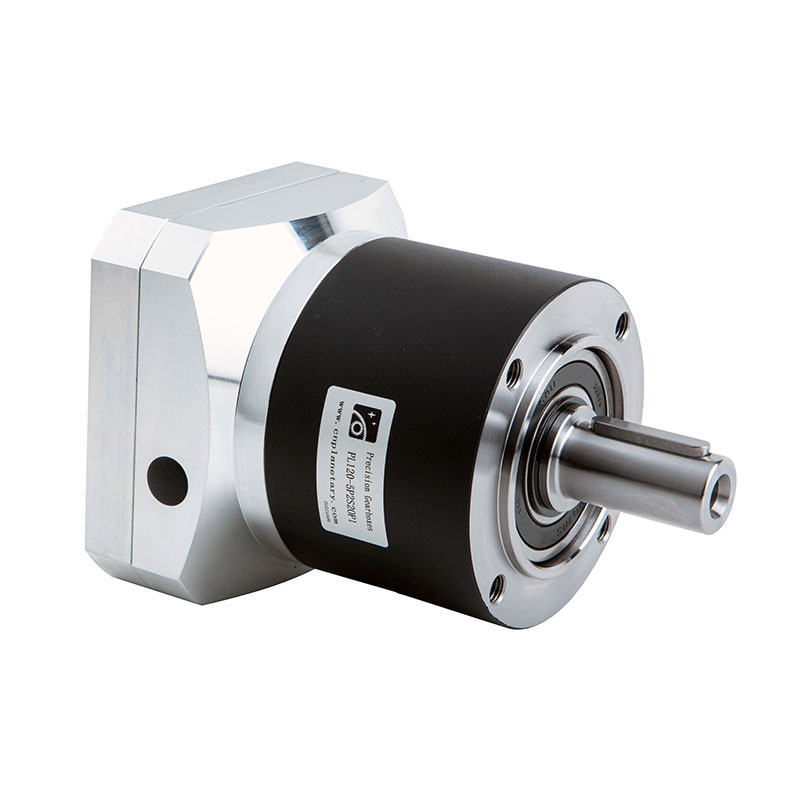
In the realm of mechanical engineering, the planetary gearbox stands as one of the most efficient and reliable components in power transmission systems. From automotive applications to industrial mach...
See Details
With the rapid development of industrial technology, mechanical equipment has become increasingly important in all walks of life and has become a key factor in promoting the improvement of productivit...
See Details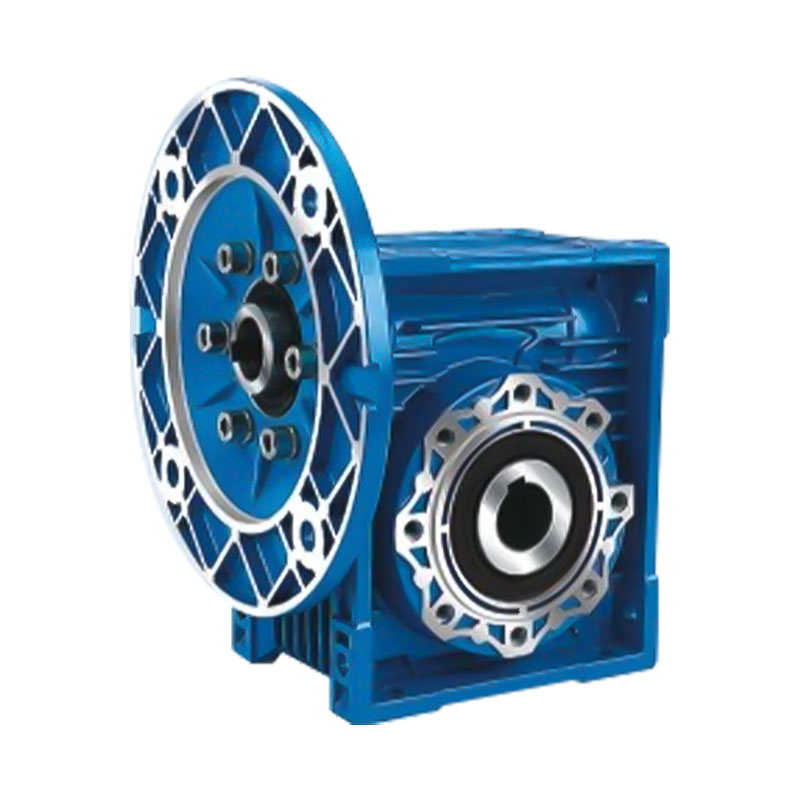
In modern industrial transmission systems, efficient, reliable and compact speed reduction devices are one of the core components that ensure the stable operation of mechanical equipment. With its uni...
See Details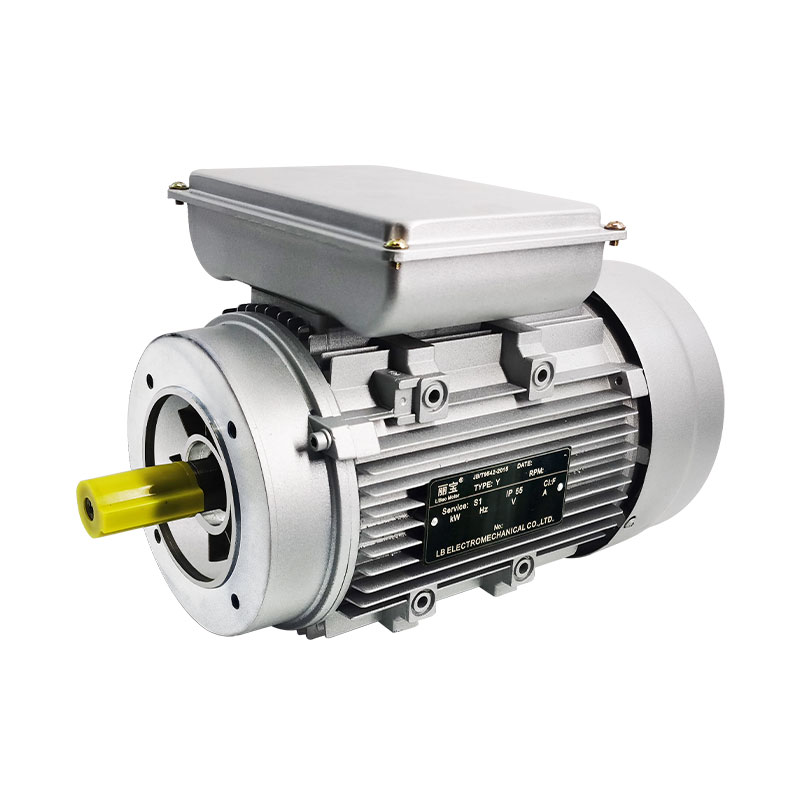
In the huge system of modern electrical equipment, single-phase AC motor is an extremely critical basic component, and its presence is everywhere in all areas of life and production. Whether it is hom...
See DetailsRequest for a call today