English
 中文简体
中文简体 Español
In the realm of mechanical engineering, the planetary gearbox stands as one of the most efficient and reliable components in power transmission systems. From automotive applications to industrial mach...
See Details
The SWL worm gear screw jack represents one of the most versatile and widely adopted mechanical lifting solutions in industrial automation. As a fundamental component in material handling systems, these devices convert rotational motion into precise linear movement through a robust worm gearing mechanism. When selecting the appropriate configuration for your specific application, understanding the distinction between translating screw and rotating screw designs becomes paramount to achieving optimal performance and operational efficiency.
SWL series screw jacks are standardized according to JB/T 8809 specifications and are available in load capacities ranging from 2.5 tons to 120 tons. The maximum input speed reaches 1500 r/min, with lifting speeds up to 2.7 m/min, making them suitable for diverse industrial environments including machinery, metallurgy, water conservancy, chemical processing, and medical equipment sectors. The working temperature range spans from -20°C to 100°C, ensuring reliable operation across varying environmental conditions.
The translating screw configuration, designated as Type 1 in SWL series nomenclature, represents the most commonly specified design among industrial users. In this configuration, the worm gear and lifting screw are connected through internal threads, creating a mechanism where the screw moves axially through the gearbox while the integrated nut rotates in conjunction with the worm wheel.
When torque is applied to the input worm shaft, the worm gear assembly rotates, driving the internal nut that engages with the lifting screw threads. The rotation of the worm gear acts directly upon the lift screw, causing it to translate linearly through the gearbox housing. This linear movement extends or retracts the screw to achieve the desired lifting or lowering action. The critical requirement for proper operation involves restraining the rotation of the lifting screw to ensure pure axial translation occurs.
Unless the end of the lift screw is rigidly fixed to the load or guided by external mechanisms, the screw will tend to rotate due to friction forces between the mating threads. This rotational tendency must be counteracted through proper application design, typically achieved by attaching the screw end to a substantial load capable of overcoming these inherent rotational forces, or by employing multiple jacks connected to a common load platform.
Translating screw configurations offer two primary assembly orientations:
Assembly Type A (Upright): The screw moves upward from the mounting surface, with the working end positioned at the top of the jack housing. This configuration is ideal for applications requiring elevation above the mounting plane.
Assembly Type B (Inverted): The screw moves downward from the mounting surface, positioning the working end below the housing. This arrangement suits applications where the load must be lowered or where overhead mounting is necessary.
SWL translating screw jacks accommodate four distinct screw head configurations to suit diverse load attachment requirements:
The rotating screw configuration, designated as Type 2 in SWL series classification, employs an fundamentally different mechanical approach. In this design, the lifting screw is rigidly fixed to the worm gear through a key joint connection, causing the screw to rotate in unison with the worm wheel while a traveling nut moves axially along the screw threads to transport the load.
As the worm shaft receives rotational input, the worm gear turns, carrying the attached lifting screw with it. The screw remains axially fixed within the gearbox housing, rotating about its longitudinal axis. A bronze traveling nut, engaged with the screw threads, translates along the screw's length, providing the linear motion required to lift or lower the attached load. The load must be securely fastened to the traveling nut, and the nut itself must be prevented from rotating to ensure pure axial movement occurs.
This configuration proves particularly advantageous when the screw must remain stationary in space while still enabling linear motion. Applications requiring the screw to pass through sealed environments or where the screw end must maintain fixed spatial orientation benefit significantly from this design approach.
Similar to translating configurations, rotating screw jacks offer two assembly orientations:
Assembly Type A: The traveling nut moves upward relative to the mounting surface, with the screw working end positioned at the top.
Assembly Type B: The traveling nut moves downward from the mounting surface, positioning the load below the jack housing.
Rotating screw configurations provide two primary screw head options:
Selecting between translating and rotating screw configurations requires careful evaluation of multiple operational parameters. The following comprehensive comparison highlights the critical distinctions that influence configuration selection:
| Parameter | Translating Screw (Type 1) | Rotating Screw (Type 2) |
| Motion Characteristic | Screw translates axially, nut rotates fixed | Screw rotates, nut translates axially |
| Anti-Rotation Requirement | Screw end must be fixed or guided | Traveling nut must be fixed to load |
| Available Head Types | Type I, II, III, IV (4 options) | Type I, III (2 options) |
| Protection Options | Basic, Anti-rotation (F), Protective cover (Z), Combined (FZ) | Basic, Protective cover (Z) |
| Ideal Applications | Direct load lifting, press operations, single-point elevation | Constrained spaces, sealed environments, multi-point synchronization |
| Installation Flexibility | Requires external rotation prevention | Requires nut-to-load fixation |
Understanding the technical capabilities of SWL worm gear screw jacks enables informed configuration selection. The following specifications apply across both translating and rotating configurations, though specific load capacities and speeds vary by model:
The SWL series encompasses models ranging from SWL2.5 (25 kN capacity) to SWL120 (1200 kN capacity). Screw diameters progress from Tr30×6 mm for the smallest model to Tr180×25 mm for the largest capacity unit. Each model offers two gear ratio options: Normal speed (P) ratios ranging from 6:1 to 12:1, and Slow speed (M) ratios from 23:1 to 36:1, allowing precise speed-torque optimization for specific applications.
Linear travel per input revolution varies by model and ratio selection. For example, the SWL2.5 model achieves 1.0 mm per revolution at the P ratio and 0.250 mm at the M ratio. The SWL120 model provides 2.083 mm per revolution at P ratio and 0.694 mm at M ratio. Maximum permissible power input ranges from 1.45 kW for smaller models to 62 kW for the largest units.
Standard trapezoidal screw configurations achieve efficiencies between 25% and 35%, while ball screw options can reach up to 50% efficiency. The self-locking characteristic of trapezoidal screws with high gear ratios eliminates the need for external braking systems in static load-holding applications.
SWL screw jacks utilize high-grade materials ensuring long service life under demanding conditions. Worm gears are manufactured from high-strength bronze alloy, while worms and lifting screws employ heat-treated carbon steel with surface hardness reaching HRC58-62 through carburizing and quenching processes. Gearbox housings are constructed from ductile iron with hardness ratings of HBS190-240, providing robust structural integrity for industrial environments.
Proper configuration selection depends on thorough analysis of application requirements, environmental conditions, and operational constraints. The following guidelines assist in determining the optimal screw jack configuration for specific use cases.
Translating screw jacks excel in applications requiring direct load attachment to the screw end, simplified mechanical linkage, or where the screw extension provides visual indication of position. Recommended applications include:
Rotating screw configurations provide superior solutions when spatial constraints limit screw extension, when the screw must pass through sealed barriers, or when the load attachment requires the screw to remain stationary. Optimal applications include:
Both configurations support synchronized lifting systems through mechanical connection shafts and electronic control systems. When multiple jacks lift a common load, translating screws often prove advantageous because the common load itself provides the anti-rotation function for all connected units. However, rotating screw configurations with properly guided traveling nuts achieve equivalent synchronization precision when designed with appropriate guiding mechanisms.
SWL screw jacks offer various protection options to enhance operational reliability and service life. Understanding these options ensures proper specification for demanding environments.
When the screw end cannot be rigidly fixed to the load, keyed screw configurations prevent rotation through mechanical interlocking. The anti-rotation type (F) incorporates a keyway along the screw length that engages with a corresponding key in the housing, allowing axial translation while preventing rotational movement. This configuration proves essential for applications where the screw end remains free or where precise angular orientation must be maintained.
Environmental protection options include:
Rotating screw configurations (Type 2) offer basic type and telescopic tube protection (X) options, with the stationary screw requiring different protection strategies than translating designs.
Proper installation and maintenance procedures ensure optimal performance and extended service life for SWL worm gear screw jacks regardless of configuration type.
Both upright and inverted mounting orientations are fully supported across all SWL models. Upright mounting positions the lifting end above the housing, while inverted mounting positions the working end below. Selection depends on load geometry, accessibility requirements, and spatial constraints. Critical considerations include ensuring adequate support for the jack housing, maintaining proper lubrication levels regardless of orientation, and providing sufficient clearance for full stroke travel.
SWL screw jacks utilize synthetic EP2 lithium grease for worm gear lubrication, providing adequate protection under normal operating conditions. Standard configurations are generally maintenance-free under intermittent duty cycles. Continuous operation applications may require periodic inspection and regreasing based on duty cycle intensity and environmental conditions. The operating temperature range of -20°C to 100°C accommodates most industrial environments without requiring special lubricant selection.
While SWL trapezoidal screw jacks with high gear ratios (typically 20:1 or greater) provide inherent self-locking characteristics, verification of load-holding capability under specific application conditions remains essential. Self-locking occurs when friction forces within the worm gear mesh prevent back-driving from the load side. However, dynamic conditions including vibration, shock loads, or temperature variations may compromise self-locking effectiveness. For safety-critical applications or loads held over personnel, supplemental braking mechanisms or mechanical locks should be incorporated into the system design.
A systematic evaluation process ensures selection of the optimal screw jack configuration for specific application requirements. Consider the following decision sequence when specifying SWL worm gear screw jacks:
The primary distinction lies in which component moves axially versus rotationally. In translating screw (Type 1) configurations, the screw moves linearly through the gearbox while the internal nut rotates with the worm gear. In rotating screw (Type 2) configurations, the screw rotates while fixed to the worm gear, and a traveling nut moves axially along the screw to transport the load. This fundamental difference determines anti-rotation requirements, application suitability, and installation approach.
Both configurations offer identical load capacities within the same SWL model series, as the load rating depends on screw diameter, material strength, and gear geometry rather than motion type. Capacities range from 25 kN (SWL2.5) to 1200 kN (SWL120). Durability is equivalent when properly applied, though translating screws may experience different wear patterns at the screw end attachment point, while rotating screws show wear primarily at the traveling nut interface.
Conversion between configurations requires significant component replacement including the worm gear assembly, screw, and nut mechanisms. The gearbox housing dimensions remain consistent, but internal components differ substantially. Rather than field conversion, proper initial specification based on application analysis ensures optimal performance. Contact technical support for guidance when application requirements change significantly.
Specify the anti-rotation (F) option when ordering. This configuration incorporates a keyway machined along the screw length that engages with a fixed key in the jack housing, mechanically preventing rotation while allowing free axial translation. Alternatively, use multiple jacks connected to a common load platform, where the load itself provides anti-rotation through mechanical coupling between jacks.
Yes, rotating screw configurations achieve positioning precision equivalent to translating designs when properly implemented. The traveling nut design often provides superior stability for certain precision applications, particularly when the nut is integrated into a guided carriage system. Backlash can be minimized through anti-backlash nut designs or preloaded ball screw options where absolute precision is required.
Both configurations utilize the same lubrication systems and maintenance intervals under standard operating conditions. Rotating screw configurations may require additional inspection of the traveling nut assembly, particularly in high-cycle applications where nut wear affects positioning accuracy. Translating screws with protective covers need periodic inspection of cover seals and telescoping mechanisms to ensure continued environmental protection.
Translating screw configurations typically offer lower initial cost due to simpler nut integration within the gearbox and broader standardization. However, total cost of ownership depends on application-specific factors including anti-rotation requirements, protection needs, and installation complexity. For applications requiring keyed screws or extensive external guiding, rotating screw configurations may prove more economical by reducing external component requirements.
Screw pitch determines linear travel per revolution and self-locking characteristics. Standard SWL models use single-start trapezoidal threads with pitches ranging from 6 mm to 25 mm depending on model size. Both configurations accommodate standard pitches, though rotating screw applications with high lead screws may require additional verification of nut stability under load. Higher pitch screws increase linear speed but reduce self-locking reliability, potentially requiring external brakes regardless of configuration type.
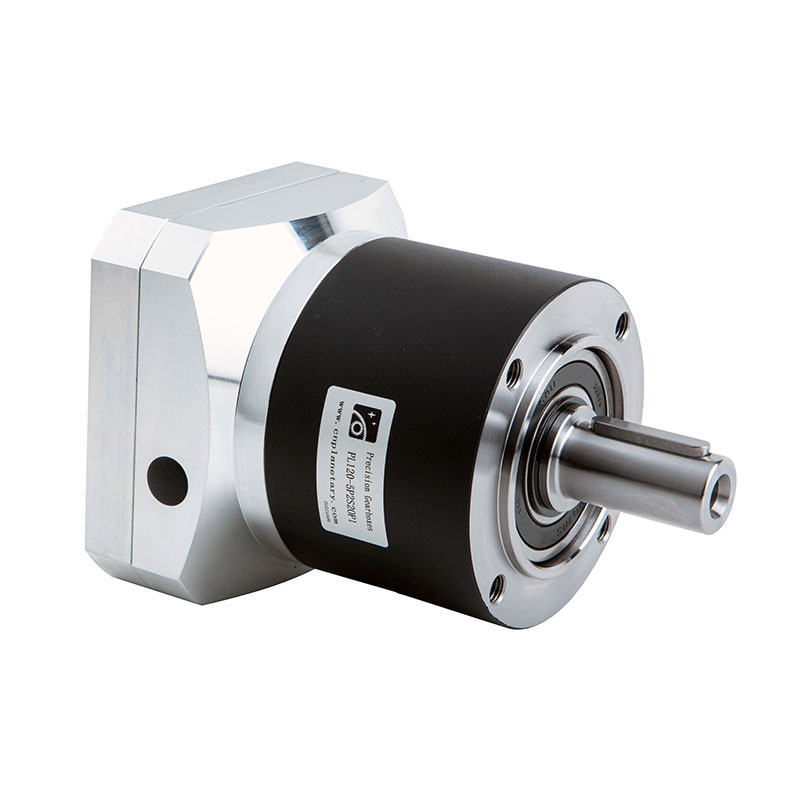
In the realm of mechanical engineering, the planetary gearbox stands as one of the most efficient and reliable components in power transmission systems. From automotive applications to industrial mach...
See Details
With the rapid development of industrial technology, mechanical equipment has become increasingly important in all walks of life and has become a key factor in promoting the improvement of productivit...
See Details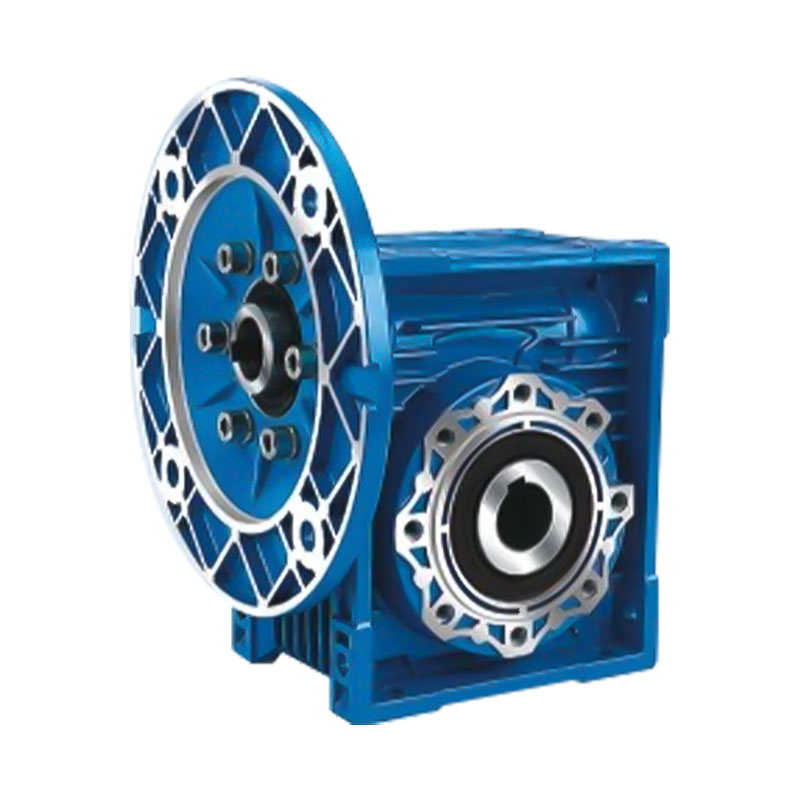
In modern industrial transmission systems, efficient, reliable and compact speed reduction devices are one of the core components that ensure the stable operation of mechanical equipment. With its uni...
See Details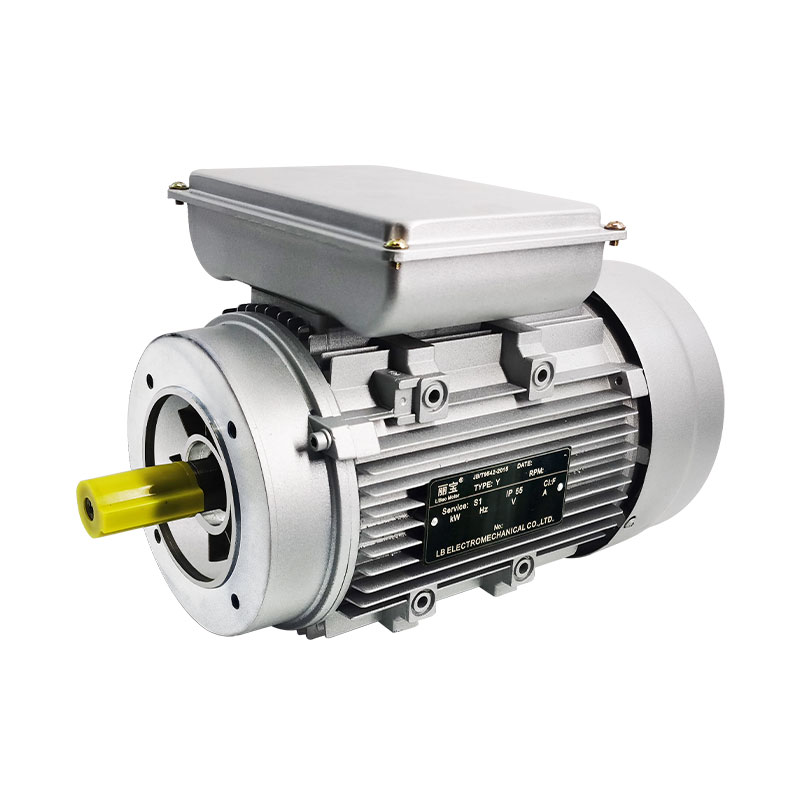
In the huge system of modern electrical equipment, single-phase AC motor is an extremely critical basic component, and its presence is everywhere in all areas of life and production. Whether it is hom...
See DetailsRequest for a call today