English
 中文简体
中文简体 Español
In the realm of mechanical engineering, the planetary gearbox stands as one of the most efficient and reliable components in power transmission systems. From automotive applications to industrial mach...
See Details
The H series (helical) and B series (bevel-helical) H B Series Industrial Gear Units are two core categories of industrial gear units designed for heavy-duty mechanical transmission systems, and their fundamental design structures are the most intuitive and critical distinction. The structural foundation directly determines their mechanical performance, load-bearing capacity, transmission efficiency, and applicable working scenarios, forming the basis for all other functional differences between the two series.
H series industrial gear units adopt a pure helical gear transmission structure, which is composed of parallel shaft helical gear pairs at all stages. All gear shafts in the gear unit are arranged in a parallel state, and the tooth surfaces of the helical gears are in continuous linear contact during meshing. This parallel shaft design is a classic structure in mechanical transmission, with mature processing technology and high assembly accuracy. The gear teeth of H series gear units are processed with precise helix angles, usually ranging from 15° to 25°, which ensures stable meshing and low noise during operation.
In terms of internal component layout, H series gear units are composed of input shaft, intermediate gear shafts, output shaft, helical gears, bearings, seals, and lubrication systems. The number of transmission stages can be flexibly configured according to speed ratio requirements, including single-stage, two-stage, three-stage, and four-stage structures. The parallel arrangement of shafts makes the overall structure of the H series compact in the horizontal direction, with a regular shape and easy integration into mechanical equipment with limited horizontal installation space. The gear material is made of high-strength alloy steel, treated with carburizing and quenching, and the tooth surface hardness can reach HRC 58-62, ensuring wear resistance and service life under long-term operation.
B series industrial gear units adopt a combined bevel-helical gear transmission structure, which is the biggest difference from the H series. The B series integrates a bevel gear transmission stage at the input end, followed by one or more stages of helical gear transmission. The bevel gear pair realizes the vertical change of power transmission direction, usually a 90° right-angle transmission, which is a unique structural advantage that the H series does not have. The bevel gears used in B series gear units are precision ground spiral bevel gears, which have higher load-bearing capacity and smoother meshing than straight bevel gears.
The internal structure of the B series is composed of input bevel gear shaft, spiral bevel gear pair, helical gear transmission stages, output shaft, and supporting components. The bevel gear stage is responsible for changing the power direction, and the rear helical gear stages are responsible for speed regulation and torque amplification. This hybrid structure combines the advantages of bevel gears and helical gears, making the B series suitable for equipment that requires right-angle transmission and high torque output. The housing of the B series is designed with reinforced ribs, which can withstand larger radial and axial loads generated by bevel gear meshing, and the overall rigidity is 15%-20% higher than that of conventional gear units under the same volume.
The structural difference between the two series is not only reflected in the gear type and shaft arrangement but also in the stress distribution and force transmission path. The H series has a simple force transmission path, with all loads acting on the parallel shaft bearings, and the force direction is single and stable. The B series, due to the addition of bevel gears, will generate axial and radial combined loads during operation, requiring higher bearing performance and housing strength. This structural difference directly leads to the differentiation of their application scenarios and performance parameters, which is the core basis for B2B buyers to select industrial gear units.
Power transmission direction and shaft configuration are key indicators for B2B buyers to select H series and B series industrial gear units, which directly determine whether the gear unit can match the installation space and transmission requirements of mechanical equipment. The two series have essential differences in shaft layout and power transmission direction, forming their respective unique application advantages in industrial transmission systems.
H series helical gear units adopt a parallel shaft transmission mode, that is, the input shaft and output shaft are in a completely parallel state, and the power is transmitted in a straight line along the horizontal direction without any direction change. This transmission mode is the most widely used in linear transmission equipment, with high energy utilization rate and no additional power loss caused by direction change. The shaft configuration of the H series is single and standardized, including horizontal input-horizontal output, which can meet the needs of most linear transmission mechanical equipment.
In terms of shaft extension options, H series gear units provide a variety of configurations, including single output shaft, double output shaft, and hollow shaft output, to adapt to different connection methods with working machinery. The parallel shaft design makes the axial size of the H series compact, and the radial size is relatively regular, which is suitable for equipment with strict requirements for horizontal installation space. In actual industrial applications, the parallel shaft transmission efficiency of the H series can reach 96%-98.5% in the single-stage transmission, which is higher than that of gear units with direction change function.
B series bevel-helical gear units adopt a right-angle shaft transmission mode, the input shaft and output shaft are vertically arranged at 90°, realizing the right-angle turning of power transmission. This is a core function that the H series does not have, and it is also the main reason why B series gear units are selected in equipment with limited space or requiring right-angle transmission. The spiral bevel gear stage at the input end of the B series accurately completes the 90° direction conversion, and the rear helical gear stage ensures the stability and efficiency of torque output.
The shaft configuration of the B series is more diversified, covering all right-angle transmission scenarios. The input shaft can be configured as horizontal or vertical, and the output shaft can be selected from solid shaft, hollow shaft, single shaft, or double shaft. The vertical shaft arrangement makes the B series extremely adaptable in three-dimensional space installation, which can solve the transmission problem when the equipment cannot arrange parallel shafts. Under the same power rating, the spatial occupancy rate of the B series is 20% lower than that of combined gear units using multiple parallel shaft gear units to realize right-angle transmission.
For B2B buyers, the choice of transmission direction and shaft configuration is the first screening condition. Equipment that requires linear power transmission, such as conveyor belts, mixers, and crushers with linear driving, will prefer H series gear units. Equipment that requires right-angle transmission, such as elevators, winding machines, and vertical agitators, must choose B series gear units. The fixed transmission direction of the two series cannot be changed after leaving the factory, which is an unadjustable structural attribute, so it must be accurately matched with the equipment design requirements during selection.
In addition, the shaft diameter and load-bearing capacity of the two series are also different. The H series parallel shaft has a larger diameter and stronger radial load-bearing capacity, suitable for equipment with large radial force. The B series bevel gear shaft is designed with high-strength alloy steel, which can withstand larger axial loads generated by right-angle transmission, and the shaft strength is optimized for combined loads. These detailed differences are important references for industrial users to ensure long-term stable operation of equipment.
Torque output capacity and speed ratio adjustment range are core performance parameters of H B Series Industrial Gear Units, which directly determine the working capacity and application scope of the gear units in industrial production. The two series have obvious differences in torque range, speed ratio coverage, and load-bearing performance due to different structural designs, which are key indicators for B2B buyers to evaluate whether the gear units meet the power requirements of equipment.
H series helical gear units have a medium torque output range, which is optimized for medium and heavy load continuous operation scenarios. The standard torque range of H series gear units is 100 N·m to 50,000 N·m, covering most conventional industrial transmission needs. The torque output of the H series is stable and uniform, thanks to the high contact rate of helical gears, and there is no torque fluctuation during meshing. Under rated working conditions, the torque deviation of the H series is controlled within ±2%, ensuring the stable operation of the driven equipment.
In terms of speed ratio, the H series adopts a multi-stage helical gear combination design, with a speed ratio range of 1.25:1 to 450:1. Single-stage transmission achieves a small speed ratio, suitable for high-speed and low-torque scenarios; three-stage and four-stage transmissions achieve a large speed ratio, suitable for low-speed and high-torque scenarios. The speed ratio of the H series is precisely calculated and processed, with an error of less than 0.5%, ensuring the accuracy of equipment operating speed. The speed ratio adjustment is flexible, and a customized speed ratio can be provided according to user needs to meet special equipment requirements.
| Transmission Stage | Speed Ratio Range | Rated Torque (N·m) | Maximum Input Speed (r/min) |
| Single-stage | 1.25-5.6 | 100-12,000 | 1800 |
| Two-stage | 6.3-35.5 | 200-25,000 | 1500 |
| Three-stage | 40-200 | 500-40,000 | 1200 |
| Four-stage | 224-450 | 1000-50,000 | 1000 |
B series bevel-helical gear units have a higher torque output capacity, which is a significant advantage over the H series. The addition of the spiral bevel gear stage enhances the torque amplification effect, making the standard torque range of the B series reach 200 N·m to 85,000 N·m, which is 70% higher than the maximum torque of the H series under the same volume. The B series is specially designed for heavy-load, ultra-high-torque transmission scenarios, and can maintain stable torque output under impact load and intermittent overload conditions, with an overload capacity of 2.5 times the rated torque.
The speed ratio range of the B series is wider, covering 5:1 to 600:1, which can meet the speed regulation requirements of more low-speed and high-torque equipment. The bevel gear stage provides a basic speed ratio, and the rear helical gear stages realize precise speed ratio adjustment, forming a high-precision combined speed ratio system. The B series can achieve a larger speed ratio with fewer transmission stages, reducing the number of internal components and improving the overall reliability of the gear unit. For equipment that requires ultra-low speed operation, the B series can directly drive without additional speed reduction devices, reducing equipment costs and failure points.
| Transmission Stage | Speed Ratio Range | Rated Torque (N·m) | Maximum Input Speed (r/min) |
| Two-stage (Bevel+Helical) | 5-50 | 200-35,000 | 1500 |
| Three-stage (Bevel+Helical+Helical) | 56-315 | 500-70,000 | 1200 |
| Four-stage (Bevel+Multi-stage Helical) | 350-600 | 1000-85,000 | 950 |
From the perspective of B2B procurement, the torque and speed ratio performance is the core basis for matching equipment power. H series gear units are suitable for medium torque, conventional speed ratio scenarios such as belt conveyors, screw feeders, and rotary screens. B series gear units are suitable for high torque, wide speed ratio scenarios such as ball mills, heavy-duty elevators, large-scale agitators, and port machinery. The high torque advantage of the B series can reduce the configuration power of the driving motor, saving energy consumption and operating costs for industrial users in the long term.
In addition, the torque density of the two series is also different. The torque density of the H series is 35 N·m per kilogram, while the torque density of the B series reaches 48 N·m per kilogram, which means that the B series can provide higher torque output with the same weight. This advantage is particularly important for mobile equipment and equipment with limited weight requirements. The performance differences between the two series in torque and speed ratio are determined by their structural design and cannot be changed through later modification, so it is necessary to conduct accurate calculation and matching during the selection phase.
Transmission efficiency, noise level, and operational stability are important indicators to measure the energy saving, environmental protection, and service life of H series and B series industrial gear units. These parameters directly affect the operating cost, working environment, and maintenance cycle of industrial equipment, and are key considerations for B2B buyers in long-term investment evaluation. The two series have different performance performances in these aspects due to the difference in gear meshing mode and transmission structure.
Transmission efficiency is the core indicator of energy saving performance. H series helical gear units have extremely high transmission efficiency because they adopt pure parallel shaft helical gear meshing without power loss caused by direction change. The single-stage transmission efficiency of the H series is 98.0%-98.5%, the two-stage transmission efficiency is 96.5%-97.5%, and the three-stage transmission efficiency is 95.0%-96.0%. This high-efficiency performance reduces the energy loss during power transmission, and the annual energy saving of the H series is 10%-15% higher than that of ordinary gear units under the same working conditions.
The high efficiency of the H series comes from the optimized helix angle design and precision grinding process of the helical gears. The tooth surface roughness is controlled below Ra0.8μm, and the meshing friction coefficient is extremely low. The parallel shaft arrangement ensures that all gear teeth are in full contact, avoiding partial load and energy loss. In continuous operation for 24 hours, the efficiency attenuation of the H series is less than 0.5%, maintaining stable energy saving performance throughout the service life. This is an important advantage for industrial users with high annual operating hours.
B series bevel-helical gear units have slightly lower transmission efficiency than the H series due to the addition of the bevel gear transmission stage, which will produce a small amount of power loss during right-angle transmission. The two-stage transmission efficiency of the B series is 95.5%-96.5%, and the three-stage transmission efficiency is 94.0%-95.0%. Although it is lower than the H series, it is still 5%-8% higher than that of ordinary right-angle gear units. The B series adopts precision ground spiral bevel gears, which minimizes the meshing loss and makes up for the efficiency gap caused by direction conversion to the greatest extent.
In terms of noise level, the H series has a lower noise value due to the stable meshing of parallel shaft helical gears, with a rated load noise of 62-68 dB(A), which is suitable for industrial scenarios with strict noise requirements such as food processing, precision manufacturing, and office supporting equipment. The noise level of the B series is 68-75 dB(A) under rated load, which is slightly higher than that of the H series, but still meets the national industrial noise standard. The noise of the B series mainly comes from the meshing of spiral bevel gears, and the optimized gear design reduces the noise to the lowest level of right-angle gear units.
Operational stability is related to the service life and maintenance cycle of the gear unit. The H series has a simpler structure, fewer internal components, and a lower failure rate, with an average uninterrupted operation time of 50,000 hours. The B series has a slightly more complex structure due to the addition of bevel gears, with an average uninterrupted operation time of 45,000 hours, but both meet the long-term operation requirements of industrial equipment. The H series is suitable for high-precision, low-vibration equipment, while the B series is suitable for heavy-load, high-impact equipment, and both have their own stability advantages in their respective application fields.
For B2B buyers, the choice between efficiency and stability needs to be combined with actual working conditions. Enterprises pursuing ultra-high energy saving and low noise should choose H series gear units; enterprises requiring right-angle transmission and heavy-load stability should choose B series gear units. The operational performance of the two series has been verified by a large number of industrial applications, and their efficiency, noise, and stability indicators can fully meet the requirements of different industrial fields, providing reliable transmission support for equipment operation.
Installation flexibility and space adaptability are important factors that B2B buyers need to consider when selecting H series and B series industrial gear units, especially for equipment transformation projects and production lines with limited installation space. The two series have great differences in installation mode, spatial orientation, and matching flexibility due to different shaft configurations and structural shapes, which directly affect the difficulty of equipment installation and transformation.
H series helical gear units have a regular rectangular housing shape and parallel shaft transmission, so the installation mode is single and standardized, mainly including horizontal base installation and flange installation. The H series has high installation accuracy requirements, and the installation surface needs to be kept horizontal to ensure the parallelism of the gear shafts. The installation space of the H series is mainly occupied in the horizontal direction, and the vertical space occupancy is low, making it suitable for equipment with wide horizontal space and limited vertical height.
The installation dimensions of the H series are standardized and modularized, with unified mounting hole spacing and connection dimensions, which is convenient for batch installation and replacement of equipment. The H series can be directly connected with the motor through a coupling or a motor flange, with a short connection length and high space utilization. In modular production lines, the standardized installation of the H series can reduce the installation time by 30% compared with non-standard gear units, improving the efficiency of equipment commissioning.
B series bevel-helical gear units have extremely high installation flexibility and space adaptability by virtue of their right-angle shaft transmission structure. The B series supports a variety of installation orientations, including horizontal, vertical, inverted, and inclined installation, and can adapt to any spatial orientation installation requirements. The 90° right-angle transmission of the B series can convert the power direction freely, solving the problem of difficult transmission layout in narrow and three-dimensional complex spaces, which is an irreplaceable advantage of the H series.
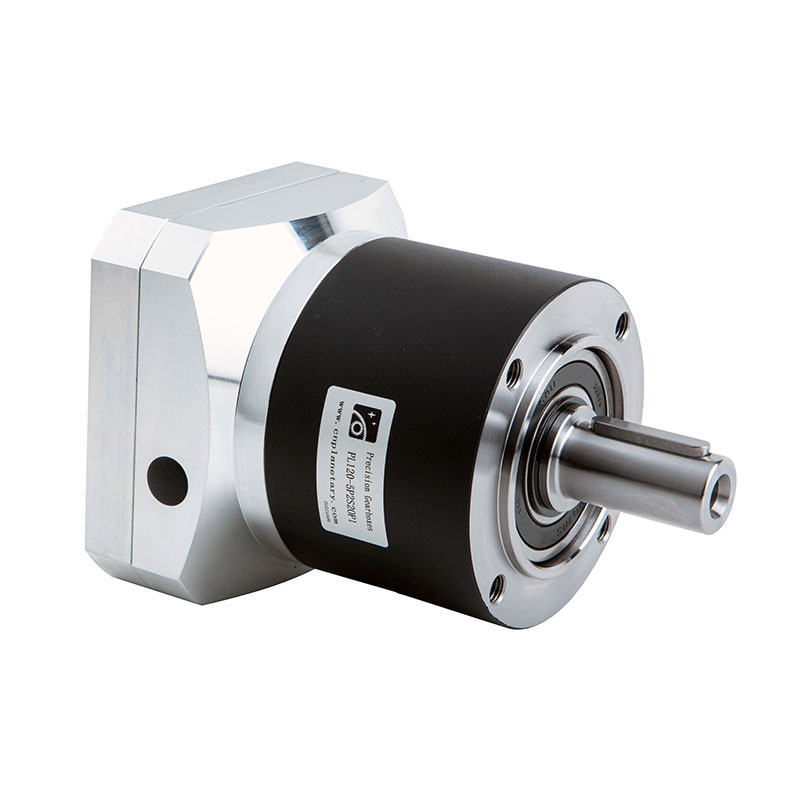
In the realm of mechanical engineering, the planetary gearbox stands as one of the most efficient and reliable components in power transmission systems. From automotive applications to industrial mach...
See Details
With the rapid development of industrial technology, mechanical equipment has become increasingly important in all walks of life and has become a key factor in promoting the improvement of productivit...
See Details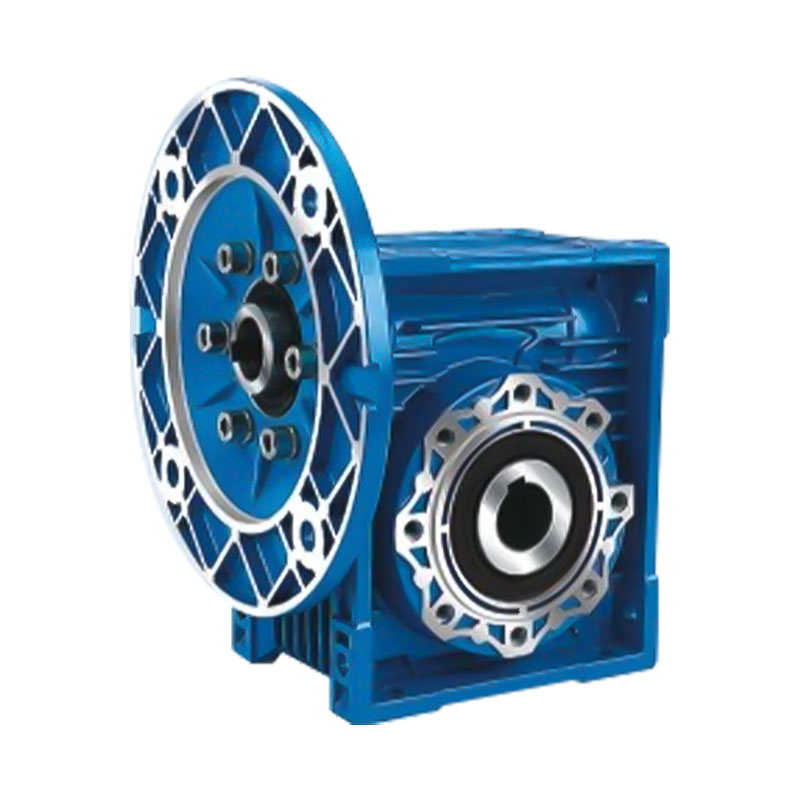
In modern industrial transmission systems, efficient, reliable and compact speed reduction devices are one of the core components that ensure the stable operation of mechanical equipment. With its uni...
See Details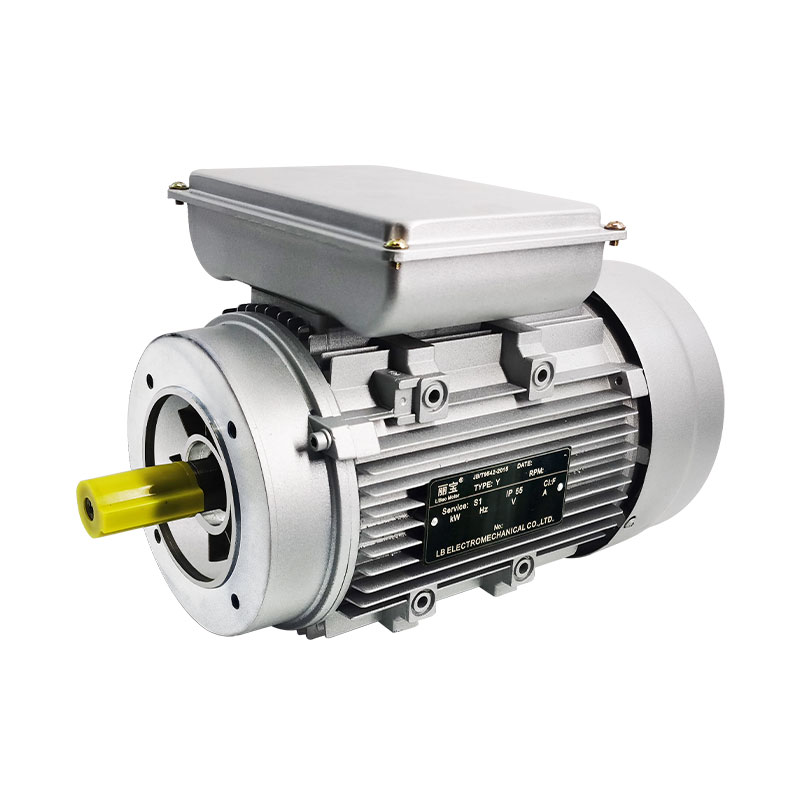
In the huge system of modern electrical equipment, single-phase AC motor is an extremely critical basic component, and its presence is everywhere in all areas of life and production. Whether it is hom...
See DetailsRequest for a call today