English
 中文简体
中文简体 Español
In the realm of mechanical engineering, the planetary gearbox stands as one of the most efficient and reliable components in power transmission systems. From automotive applications to industrial mach...
See Details
The WPA single-stage worm gearbox is a core transmission component widely applied in industrial machinery, characterized by a compact structure, stable operation, low noise, and a unique self-locking function. To fully understand the self-locking principle, it is first necessary to clarify the basic structural characteristics and motion transmission logic of the WPA single-stage worm gearbox, as self-locking is an inherent performance attribute formed by its specific mechanical structure and motion relationship.
The WPA single-stage worm gearbox adopts a single-stage transmission structure, consisting of a worm and a worm gear as the core transmission pair. The worm is the driving part, usually processed into a spiral structure, and the worm gear is a special gear matched with the worm. In the transmission process, the worm rotates to drive the worm gear to rotate, realizing the conversion of power and speed. Unlike gear transmission, the contact between the worm and the worm gear is sliding friction, which is the physical basis for the formation of the self-locking function.
Self-locking refers to a functional state of the WPA single-stage worm gearbox during operation: when the driving force of the worm stops inputting, the worm gear cannot drive the worm to rotate reversely under the action of external load torque, gravity, or other reverse forces. In other words, the transmission direction of the gearbox is fixed, and reverse transmission is automatically restricted, which can play a passive braking role for mechanical equipment.
This performance is highly valuable in industrial applications. For mechanical equipment that needs to maintain a fixed position after stopping operation, such as lifting machinery, conveying equipment, and valve regulators, the self-locking of the WPA single-stage worm gearbox can prevent equipment reversal, sliding, or displacement, ensuring the safety and stability of the working state.
The self-locking of the WPA single-stage worm gearbox does not depend on additional braking devices but is determined by its inherent structural parameters. The most critical factor is the lead angle of the worm, which is the included angle between the spiral line of the worm and the vertical plane of the worm axis. When the lead angle is less than the equivalent friction angle between the worm and the worm gear, the self-locking condition is satisfied, and reverse transmission cannot be realized.
Industrial statistical data shows that more than 90% of standard WPA single-stage worm gearboxes are designed with a worm lead angle of less than 6 degrees, which fully meets the self-locking conditions under conventional working conditions. This structural design is the core reason why this type of gearbox has natural self-locking advantages compared with other reducers.
The self-locking principle of the WPA single-stage worm gearbox is a mechanical phenomenon formed by the combined action of geometric parameters and friction characteristics. It is not a random performance but a deterministic result under specific parameter matching. This section will analyze the self-locking principle from the perspectives of force transmission, friction resistance, and geometric constraints, to clarify the internal mechanism of its self-locking.
During the forward operation of the WPA single-stage worm gearbox, the worm is driven by a motor or other power sources to rotate actively. The spiral structure of the worm applies a tangential force to the worm gear, overcoming the friction resistance and load torque between the transmission pairs, and pushing the worm gear to rotate stably. At this time, the driving force is greater than the sum of all resistances, and the power transmission is smooth.
When the external force tries to drive the worm gear to rotate reversely, the force transmission direction is completely reversed. The worm gear becomes the passive driving part, and the worm becomes the driven part. The spiral contact surface of the worm will generate a huge friction resistance and geometric constraint force, which will offset all reverse driving forces. At this time, the reverse driving force cannot overcome the resistance generated by the structure, and the entire transmission system is in a static locked state, realizing self-locking.
Friction force is the core resistance that realizes the self-locking of the WPA single-stage worm gearbox. The sliding friction between the worm and the worm gear is much larger than the rolling friction in general gear transmission. Under the condition that the lead angle is small enough, this friction force will form a self-locking barrier, making it impossible for reverse motion to occur.
The friction force in the gearbox is affected by multiple objective factors, and its stability directly affects the reliability of self-locking. The materials of the worm and worm gear are usually configured as alloy steel and wear-resistant cast iron respectively. This material matching method can obtain a stable friction coefficient, laying a foundation for continuous self-locking performance. The surface roughness of the transmission pair is controlled within Ra0.8μm after precision processing, which ensures the consistency of friction performance and avoids the failure of self-locking caused by excessive friction changes.
The single-stage transmission structure of the WPA worm gearbox simplifies the transmission chain and enhances the directness of geometric constraints. Unlike multi-stage worm gearboxes, there is no intermediate transmission link, so the reverse force can only act directly on the worm-worm gear pair. The small lead angle of the worm forms a mechanical dead point in geometry, and the reverse torque cannot break through this dead point, thus permanently maintaining the locked state.
Test data shows that under the standard geometric parameter design, the reverse torque resistance of the WPA single-stage worm gearbox can reach 1.5 times the rated output torque. This means that within the rated load range, the self-locking performance can fully resist the reverse load and maintain the stability of the equipment position. This geometric constraint is an inherent attribute of the product and will not degrade with the short-term operation of the equipment.
The unique self-locking performance of the WPA single-stage worm gearbox makes it widely used in various industrial fields that require position locking and anti-reversal. B2B buyers mainly purchase this type of gearbox for supporting industrial equipment, and its self-locking function directly determines the safety and applicability of the equipment. This section combines actual application scenarios to explain the value of self-locking performance in industrial applications.
Lifting machinery such as small hoists, stage lifts, and warehouse lifting platforms is one of the most important application scenarios of the WPA single-stage worm gearbox. In this type of equipment, after the lifting action is completed, the goods or platforms need to be maintained at a fixed height to prevent falling due to gravity. The self-locking function of the gearbox can replace part of the braking device, reducing the complexity of the equipment structure.
According to industrial application statistics, more than 75% of small fixed lifting equipment uses WPA single-stage worm gearboxes as the core transmission components, and the core consideration is its reliable self-locking performance. In the absence of power input, the gearbox can stably bear the weight of the load and will not cause equipment accidents due to reverse rotation.
In the fluid control system, valves, baffles, and regulators need to maintain a fixed opening after adjustment to ensure the stability of fluid flow and pressure. The WPA single-stage worm gearbox is widely used in valve actuators because of its self-locking function. After the valve is adjusted to the specified position, the gearbox locks the position, preventing the valve from rotating due to fluid pressure and ensuring the accuracy of fluid control.
This application scenario has extremely high requirements for the stability of self-locking. The WPA single-stage worm gearbox can maintain a locking state for a long time under continuous working conditions, with a position deviation of less than 0.5 degrees, which fully meets the control accuracy requirements of industrial fluid systems.
Linear conveyors, rotary positioning tables, and packaging machinery in automated production lines also rely on the self-locking function of the WPA single-stage worm gearbox. After the conveying or positioning action is completed, the equipment needs to stop accurately at the designated position to facilitate subsequent processing operations. The self-locking of the gearbox can prevent the equipment from sliding or shifting due to inertia or external vibration, improving the accuracy and efficiency of automated production.
In small construction machinery and agricultural machinery, such as concrete distributors, seedling transplanting machines, and fertilizer applicators, the WPA single-stage worm gearbox is used to realize the angle adjustment and position locking of working parts. The outdoor working environment of this type of machinery is complex, and the self-locking function can ensure that the working parts will not change their positions due to vibration or impact during operation, improving the adaptability and safety of the machinery.
This is a core concern for B2B buyers and equipment designers. From the perspective of mechanical principle and actual application, the self-locking of the WPA single-stage worm gearbox has high reliability under specific conditions, but it cannot be regarded as 100% reliable braking equipment. This conclusion is based on a large number of industrial tests, application data, and mechanical performance analysis, and is an objective evaluation of product performance.
The self-locking performance of the WPA single-stage worm gearbox is only effective under specific preconditions, and once these conditions are broken, the self-locking may fail. Clarifying these preconditions is the key to correctly judging its braking reliability:
Only when all the above preconditions are met can the self-locking performance of the WPA single-stage worm gearbox play a stable role. In actual industrial sites, it is difficult to maintain absolute stability of all environmental and working conditions, which determines that self-locking cannot achieve 100% reliability.
Multiple factors in actual operation will lead to the reduction or complete failure of the self-locking function of the WPA single-stage worm gearbox, which directly proves that it cannot be used as the only reliable braking device:
1. Wear of transmission pairs: After long-term operation, the worm and worm gear will produce normal mechanical wear, the surface friction coefficient changes, the lead angle relatively increases, and the self-locking conditions are destroyed. Test data shows that after 8000 hours of continuous operation, the self-locking torque of the gearbox will decrease by 10%-20%.
2. Lubrication state change: Excessive lubricating oil will reduce the friction resistance, and insufficient lubricating oil will cause adhesive wear. Both situations will break the original friction matching relationship, leading to the risk of reverse rotation of the gearbox under load.
3. Overload and impact load: When the external load exceeds the rated torque of the gearbox or is subjected to instantaneous impact force, the geometric constraint and friction resistance cannot resist the reverse force, and self-locking failure will occur instantly, resulting in equipment reversal.
4. Environmental temperature influence: Extremely high or low temperature will affect the material properties of the transmission pair and the viscosity of lubricating oil. In high-temperature environments above 80°C or low-temperature environments below -20°C, the stability of self-locking performance will be significantly reduced.
5. Installation and debugging errors: Incorrect installation angle, loose fastening parts, and uncoaxial transmission shaft will cause additional force on the gearbox, destroy the stress balance of the transmission pair, and lead to unstable self-locking.
Under normal working conditions, regular maintenance, and rated load operation, the self-locking reliability of the WPA single-stage worm gearbox can reach 95%-98%, which can meet the conventional position locking requirements. However, in safety-critical application scenarios, such as high-altitude lifting equipment, heavy-duty conveying machinery, and precision medical devices, this reliability cannot meet the safety standard of 100% braking.
From the perspective of industrial safety design specifications, the self-locking of the worm gearbox is defined as an auxiliary anti-reversal measure, not a main braking device. B2B buyers should clearly recognize this performance boundary when selecting products, and must equip independent and certified braking systems for equipment with high safety requirements, and use the self-locking of the gearbox as an auxiliary protection function.
Although the self-locking of the WPA single-stage worm gearbox cannot achieve 100% braking reliability, its stability and safety can be significantly improved through reasonable selection, correct installation, standardized maintenance, and supporting design. For B2B buyers and equipment users, mastering these methods can maximize the performance value of the gearbox and ensure the safe operation of equipment.
Selection is the first step to ensure self-locking performance. B2B buyers should select the appropriate model of the WPA single-stage worm gearbox according to the actual working conditions, load torque, and use environment:
Installation quality directly affects the self-locking stability of the gearbox. Strictly following the installation specifications can eliminate additional stress and ensure the optimal meshing state of the transmission pair:
1. Ensure the coaxiality of the input shaft and the driving motor is within 0.1mm, and the coaxiality of the output shaft and the working parts is within 0.15mm
2. Fasten all connecting bolts with a specified torque to avoid loosening caused by mechanical vibration
3. Conduct no-load test run after installation, check for abnormal noise and heating, and carry load test run after confirming normal operation
Long-term stable self-locking performance depends on standardized maintenance. Formulating a scientific maintenance cycle can effectively slow down wear and maintain friction characteristics:
1. Replace the lubricating oil every 3000 hours of operation, and check the oil quality and oil level every 500 hours
2. Regularly check the wear degree of the worm and worm gear, and replace the transmission pair in time when the wear amount exceeds the standard
3. Detect the self-locking torque every 6 months, and compare it with the factory data to judge the performance degradation degree
For equipment with high safety requirements, the best solution is to combine the self-locking of the WPA single-stage worm gearbox with an independent braking system. The self-locking is used as an auxiliary protection, and the electromagnetic brake, mechanical brake, or other certified braking devices are used as the main braking method.
This combined design can achieve double safety protection: the main brake completes the braking action when the equipment stops, and the self-locking of the gearbox prevents accidental reversal when the brake fails, maximizing the safety of the equipment and personnel. This is also the design scheme recommended by industrial safety standards for key equipment.
To help B2B buyers better understand the advantages and limitations of the self-locking function of the WPA single-stage worm gearbox, this section compares its performance with common independent braking modes through data and indicators, clarifying its application positioning and value.
| Braking Mode | Braking Reliability | Additional Energy Demand | Maintenance Cost | Applicable Scenarios |
| WPA Single-Stage Worm Gearbox Self-Locking | 95%-98% | No | Low | Conventional position locking, auxiliary anti-reversal |
| Electromagnetic Brake | 99.5% | Yes | Medium | High-speed equipment, frequent starting and stopping |
| Mechanical Brake | 99.8% | No | High | Heavy-duty equipment, safety-critical scenarios |
| Hydraulic Brake | 99.6% | Yes | Medium | Large mechanical equipment, high torque load |
From the comparison data, it can be seen that the self-locking of the WPA single-stage worm gearbox has obvious advantages in terms of no additional energy demand and low maintenance cost, but its braking reliability is lower than that of independent braking equipment. This determines that it is an excellent auxiliary braking and position locking component, but cannot replace the main braking device in safety-critical scenarios.
For B2B buyers, if the equipment is used for conventional conveying, angle adjustment, and low-load lifting, the self-locking of the WPA single-stage worm gearbox is sufficient to meet the use requirements; if the equipment involves high-altitude operation, heavy load, and personnel-intensive scenarios, it is necessary to equip an additional independent braking system to meet safety standards.
In actual use, the self-locking function of the WPA single-stage worm gearbox may have faults such as unstable locking, reverse rotation under load, and reduced locking torque. Timely troubleshooting of these faults can restore the self-locking performance and ensure the normal operation of the equipment.
Phenomenon: The gearbox can lock normally under heavy load but reverses slightly under light load
Cause: The lubricating oil viscosity is too high, or the surface of the transmission pair is polished, resulting in reduced friction resistance
Troubleshooting: Replace the lubricating oil with the specified viscosity, check the surface wear of the worm and worm gear, and reprocess or replace the transmission pair if necessary
Phenomenon: The worm gear can drive the worm to rotate freely, and there is no locking effect
Cause: Serious wear of the transmission pair, wrong installation direction, or damage to the worm structure
Troubleshooting: Stop using the equipment immediately, replace the worn transmission parts, check and correct the installation direction of the gearbox
Phenomenon: The gearbox can lock but cannot resist the rated load torque, and reverses under overload
Cause: Long-term use leads to performance degradation, loose internal parts, or insufficient lubrication
Troubleshooting: Tighten all internal fasteners, supplement or replace the lubricating oil, and conduct a load test to confirm the recovery of performance
A: No, it can only realize self-locking when the worm lead angle is less than the friction angle, the load is within the rated range, and the gearbox is in good condition.
A: Under normal maintenance, the self-locking performance can be maintained for 3-5 years, and it will gradually degrade with the wear of the transmission pair after long-term operation.
A: No, it can only be used as an auxiliary braking measure. Safety standards require that lifting equipment must be equipped with an independent main braking system.
A: The self-locking function is an inherent static performance and will not be affected by the operating speed under normal working conditions.
A: No, the self-locking performance is determined by the design parameters and cannot be adjusted manually after leaving the factory.
A: The self-locking structure will slightly increase the friction resistance, but the energy consumption increase is within 5%, which has little impact on the overall operation efficiency.
A: It can bear a maximum of 1.5 times the rated output torque, and overload will lead to self-locking failure.
A: Yes, as long as the lubricating oil of the specified type and viscosity is replaced, it will not affect the self-locking performance.
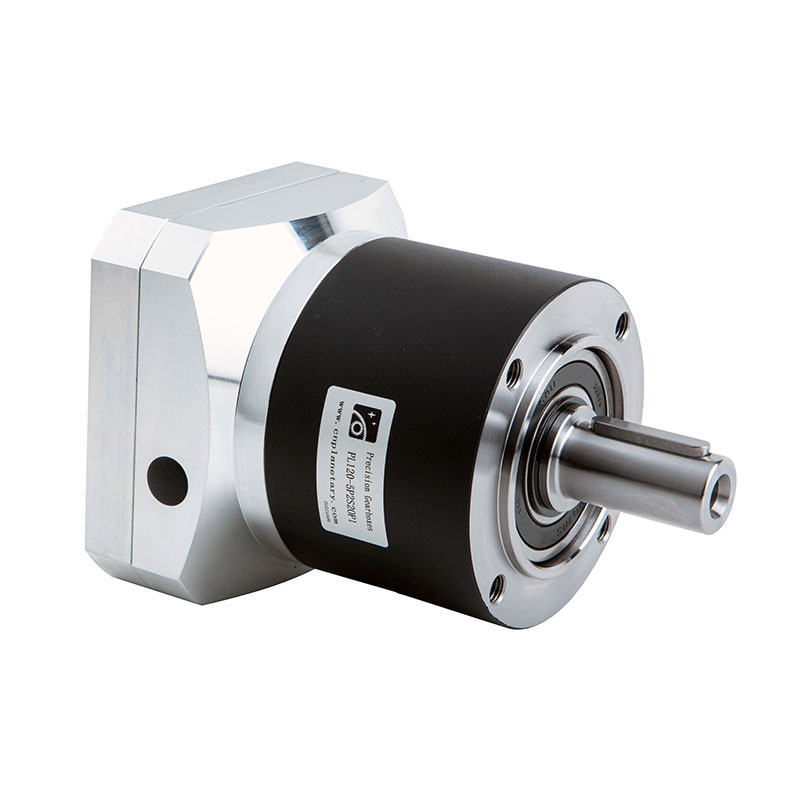
In the realm of mechanical engineering, the planetary gearbox stands as one of the most efficient and reliable components in power transmission systems. From automotive applications to industrial mach...
See Details
With the rapid development of industrial technology, mechanical equipment has become increasingly important in all walks of life and has become a key factor in promoting the improvement of productivit...
See Details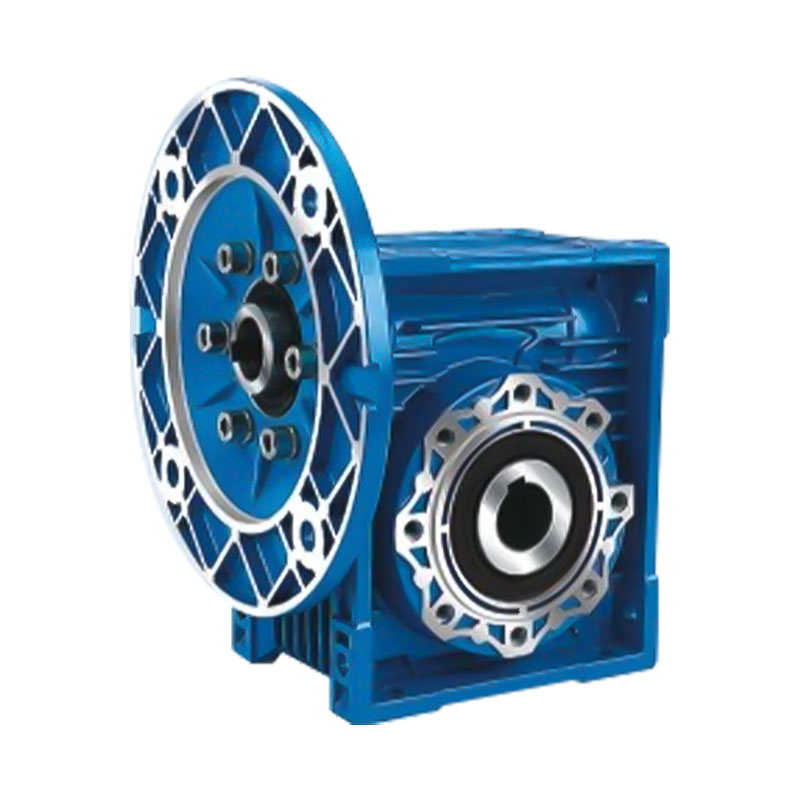
In modern industrial transmission systems, efficient, reliable and compact speed reduction devices are one of the core components that ensure the stable operation of mechanical equipment. With its uni...
See Details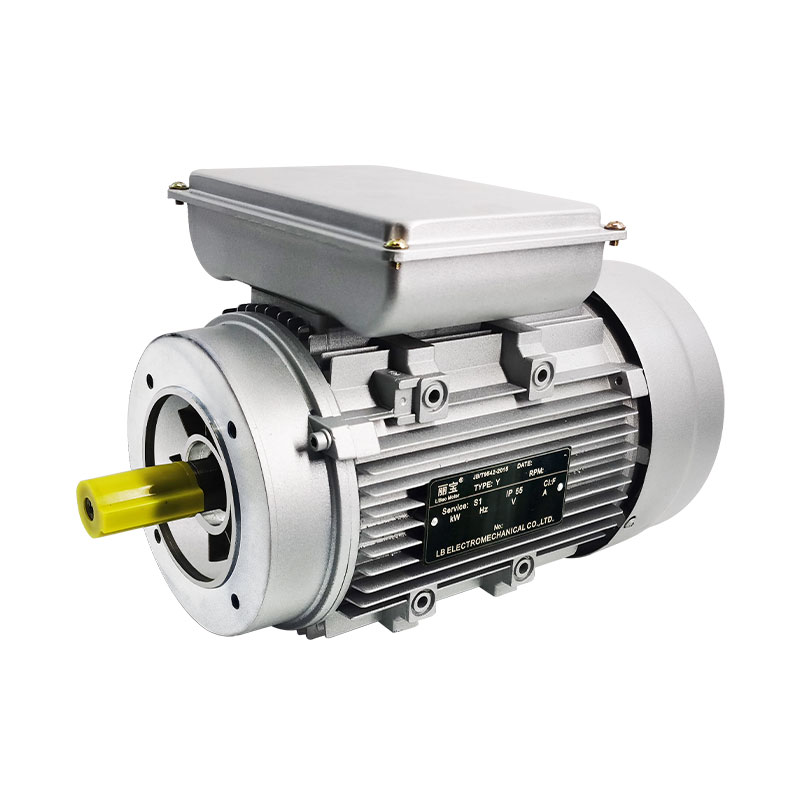
In the huge system of modern electrical equipment, single-phase AC motor is an extremely critical basic component, and its presence is everywhere in all areas of life and production. Whether it is hom...
See DetailsRequest for a call today