English
 中文简体
中文简体 Español
In the realm of mechanical engineering, the planetary gearbox stands as one of the most efficient and reliable components in power transmission systems. From automotive applications to industrial mach...
See Details
WP worm gear reducers are widely used in industrial applications for their high reduction ratios, compact size, and smooth operation. They are especially favored in mechanical drives where torque multiplication and space efficiency are critical. Understanding the WP worm gear reducer shaft dimensions is essential for engineers, designers, and maintenance personnel to ensure proper integration into machinery.
This article provides a detailed technical overview of standard input and output shaft dimensions, highlighting key specifications, mounting considerations, and practical recommendations for selecting the right shaft configuration.
The input shaft of a WP worm gear reducer serves as the primary interface for power transmission from the motor or prime mover. Its dimensions are critical for compatibility with couplings, bearings, and motor adapters. Input shafts are typically available in solid or hollow configurations, each offering distinct benefits.
WP worm gear reducers often provide several input shaft options:
Selecting the appropriate input shaft type depends on torque requirements, space limitations, and ease of maintenance. Proper sizing ensures minimal wear and maximizes operational life.
The output shaft of a WP worm gear reducer transmits torque to the driven machine, making its dimensions crucial for mechanical compatibility and reliability. Output shafts may feature solid, hollow, or flanged designs depending on application requirements.
Output shafts are commonly available in three configurations:
Choosing the correct output shaft configuration depends on application torque, mounting method, and space constraints. Accurate dimensioning reduces vibration, wear, and potential misalignment in the drivetrain.
While input and output shafts serve distinct functions, both require precise standardization to ensure compatibility and performance. The following table summarizes typical dimensional ranges for standard WP worm gear reducers:
| Shaft Type | Diameter (mm) | Length (mm) | Keyway Type |
| Input Solid | 14–80 | 50–200 | DIN/ISO Standard |
| Input Hollow | 16–70 | 60–180 | DIN/ISO Standard or Spline |
| Output Solid | 20–100 | 60–250 | DIN/ISO Standard |
| Output Hollow | 25–90 | 70–220 | Keyed or Spline |
| Output Flanged | 30–100 | Custom | Bolted Flange |
This comparison illustrates that shaft selection must consider torque requirements, mechanical coupling, and space limitations. Careful assessment avoids overloading, misalignment, and operational inefficiency.
To ensure reliable operation of a WP worm gear reducer, engineers should:
Regular inspection of shaft dimensions and mounting integrity helps prevent operational failures:
Understanding the standard input and output shaft dimensions for WP worm gear reducers is essential for mechanical compatibility, operational efficiency, and longevity. Engineers must consider diameter, length, keyway type, and configuration when integrating these reducers into machinery. Attention to detail in shaft selection, installation, and maintenance ensures reliable performance across diverse industrial applications.
Input shaft diameters typically range from 14mm to 80mm, depending on reducer size and torque requirements.
Yes, hollow output shafts are commonly used to facilitate direct coupling or mounting on larger pulleys or gears, often secured with a key or shrink disc.
Shafts generally follow ISO and DIN standards for diameters, keyways, and tolerances, ensuring compatibility across mechanical systems.
Regular inspection for alignment, keyway wear, and bearing lubrication is essential to maintain smooth torque transfer and prevent premature failure.
The decision is influenced by torque requirements, ease of assembly, coupling type, and space constraints in the mechanical system.
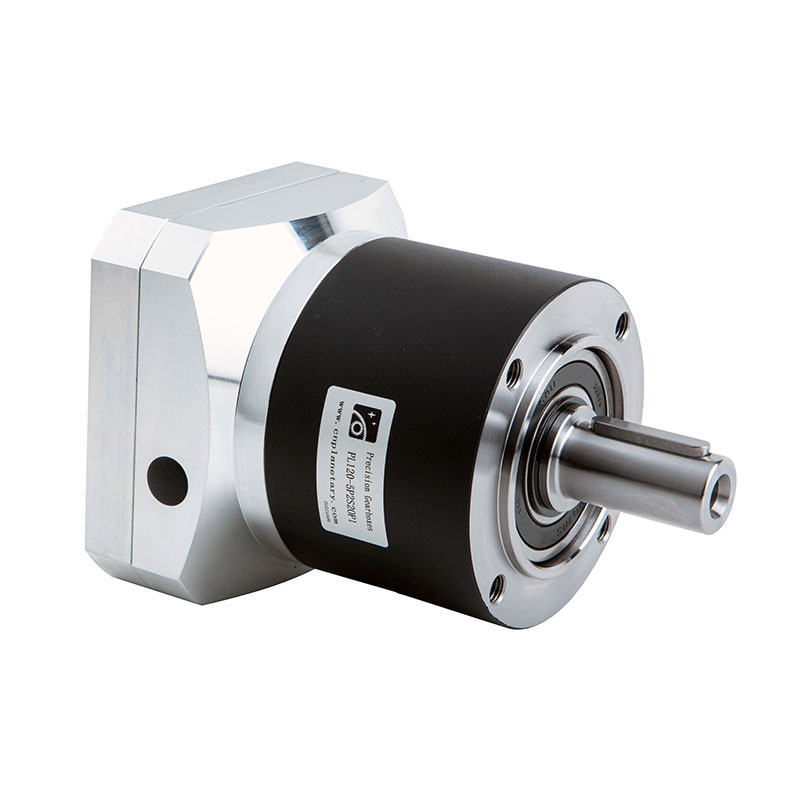
In the realm of mechanical engineering, the planetary gearbox stands as one of the most efficient and reliable components in power transmission systems. From automotive applications to industrial mach...
See Details
With the rapid development of industrial technology, mechanical equipment has become increasingly important in all walks of life and has become a key factor in promoting the improvement of productivit...
See Details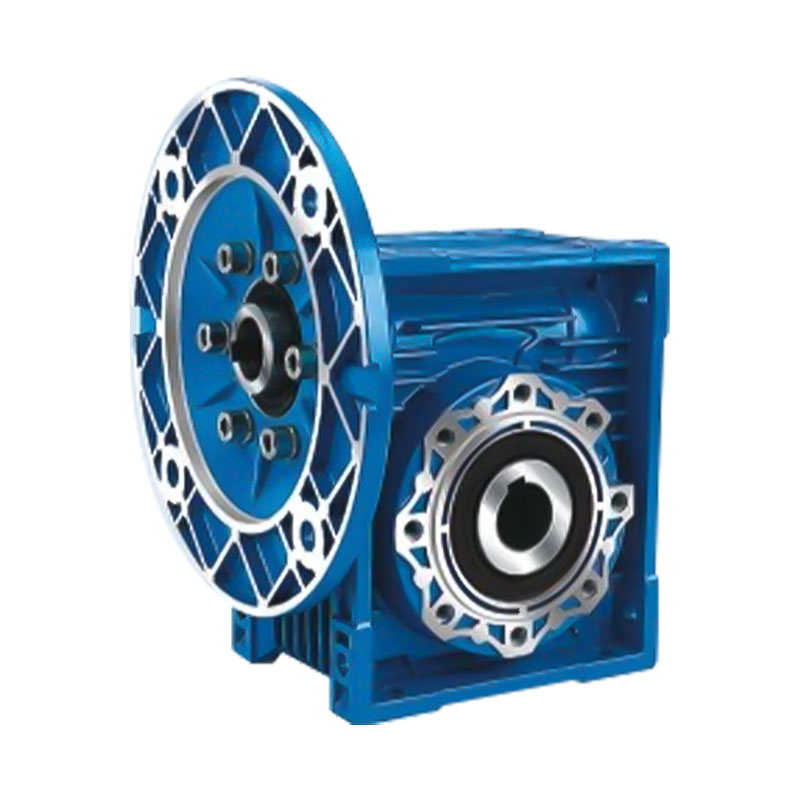
In modern industrial transmission systems, efficient, reliable and compact speed reduction devices are one of the core components that ensure the stable operation of mechanical equipment. With its uni...
See Details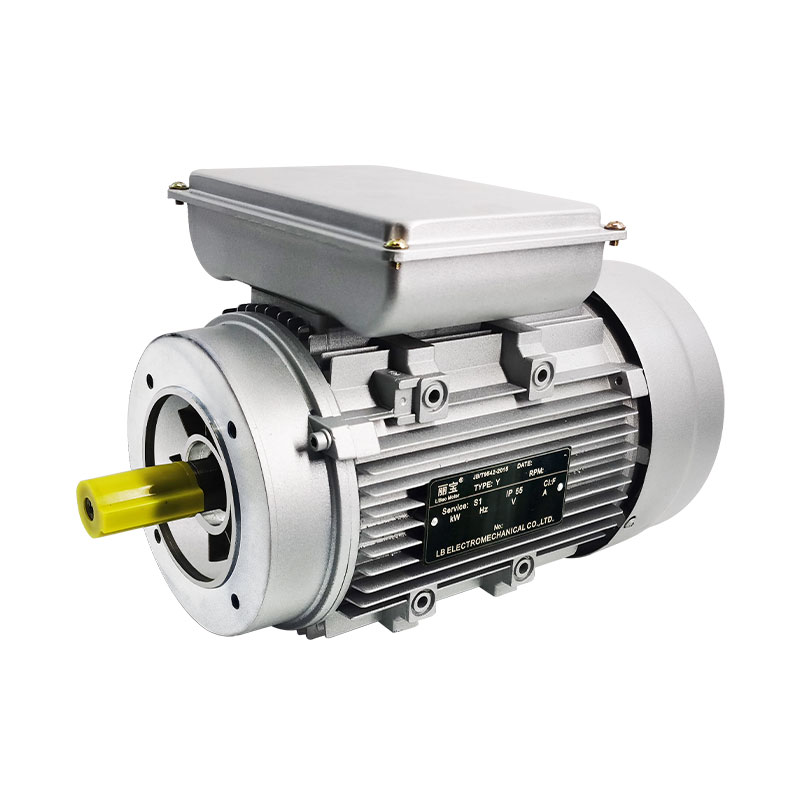
In the huge system of modern electrical equipment, single-phase AC motor is an extremely critical basic component, and its presence is everywhere in all areas of life and production. Whether it is hom...
See DetailsRequest for a call today