English
 中文简体
中文简体 Español
In the realm of mechanical engineering, the planetary gearbox stands as one of the most efficient and reliable components in power transmission systems. From automotive applications to industrial mach...
See Details
A Precision Planetary Reducer is a critical component in mechanical and automation systems that require accurate motion control, high torque transmission, and compact design. These gear reducers are widely used in robotics, CNC machinery, packaging equipment, and other precision-driven applications. Among the various configurations, two types are most commonly implemented: inline precision planetary reducer and right-angle precision planetary reducer.
The primary distinction between inline and right-angle precision planetary reducer lies in the orientation of the input and output shafts.
Inline precision planetary reducer features a coaxial configuration where the input and output shafts are aligned along the same axis. This linear arrangement facilitates straightforward integration with motors and other mechanical components. The compact axial design allows for high-efficiency torque transmission and minimal backlash, which is crucial in applications that demand precise positioning.
In contrast, right-angle precision planetary reducer utilizes a perpendicular configuration, where the output shaft is oriented at a 90-degree angle relative to the input. This design is often achieved through the incorporation of bevel or hypoid gears, enabling a change in motion direction without additional mechanical linkage. The right-angle layout is particularly advantageous in applications where space constraints require shaft redirection or where mechanical components must be arranged perpendicularly for system layout optimization.
| Feature | Inline Precision Planetary Reducer | Right-Angle Precision Planetary Reducer |
|---|---|---|
| Shaft alignment | Coaxial (input/output on same axis) | Perpendicular (input/output at 90°) |
| Gear arrangement | Traditional planetary gears | Planetary gears combined with bevel/hypoid gears |
| Installation space | Requires axial space | Requires radial space |
| Load distribution | Symmetrical along shaft | Load may induce lateral stress |
| Compactness | Suitable for compact axial layouts | Optimal for angular system layouts |
Both inline and right-angle precision planetary reducer rely on the planetary gear system to divide input torque among multiple planet gears, providing high torque density and consistent motion transmission. The input torque is transferred from the sun gear to planetary gears, which rotate around a fixed ring gear. The output torque is then collected at the output carrier.
Inline reducers maintain a direct torque path along the axis, which minimizes frictional losses and ensures higher transmission efficiency. They are preferred for applications requiring high rotational accuracy and minimal backlash. Conversely, right-angle reducers involve an additional bevel or hypoid gear stage, which slightly reduces efficiency due to additional gear meshing but allows for versatile mechanical arrangements.
The choice between the two types depends on the trade-off between system layout flexibility and transmission efficiency. Inline configurations offer slightly higher torque efficiency, while right-angle designs enable compact angular integration.
Both inline and right-angle precision planetary reducer are designed to handle high torque within compact dimensions. Inline configurations typically exhibit a slightly higher continuous torque rating due to the direct coaxial load path. Right-angle reducers must account for additional gear contact forces, which may limit maximum torque output in extremely high-load applications.
Backlash refers to the angular displacement that occurs between input and output before motion is transmitted. Inline reducers generally exhibit lower backlash due to fewer gear meshing stages, which is essential for applications requiring high positional accuracy. Right-angle reducers often include advanced gear teeth modifications to minimize backlash, but residual angular play may be slightly higher.
Inline precision planetary reducer achieves higher efficiency, usually exceeding 97%, since torque transfer occurs in a direct line. Right-angle units may show efficiency values in the range of 93–96%, depending on bevel or hypoid gear quality. Additionally, high-speed operation is more readily supported in inline designs due to lower lateral forces on the gears.
| Parameter | Inline Precision Planetary Reducer | Right-Angle Precision Planetary Reducer |
|---|---|---|
| Maximum continuous torque | Higher | Slightly lower |
| Backlash | Minimal | Moderate (gear design dependent) |
| Efficiency | 97–99% | 93–96% |
| High-speed capability | Excellent | Good |
| Noise level | Lower | Slightly higher due to bevel stage |
Inline precision planetary reducer is ideal for systems requiring high rotational accuracy, compact axial design, and high-speed operation. Typical applications include:
Right-angle precision planetary reducer is more suitable where the system layout requires angular shaft arrangements or space constraints prevent axial installation. Typical applications include:
Both configurations are widely used in industries such as semiconductor manufacturing, robotics, aerospace, and automated assembly lines, where precision and reliability are critical.
When choosing between inline and right-angle precision planetary reducer, engineers should consider several factors:
By assessing these parameters, system designers can identify the optimal precision planetary reducer type for their specific application.
Proper maintenance ensures that precision planetary reducer maintains its performance over its service life. Key maintenance practices include:
Inline reducers, with their fewer gear stages, may require less frequent attention, while right-angle reducers benefit from periodic inspection of the bevel gear stage for wear or misalignment.
Advantages:
Limitations:
Advantages:
Limitations:
Modern precision planetary reducer designs emphasize miniaturization, higher efficiency, and backlash reduction. Advanced gear manufacturing technologies, such as precision grinding, surface hardening, and optimized tooth profiles, are improving both inline and right-angle configurations. Additionally, modular designs allow easier integration and maintenance, catering to automation trends in robotics and intelligent manufacturing.
The choice between inline and right-angle precision planetary reducer primarily depends on system layout, torque and speed requirements, and precision demands. Inline configurations excel in coaxial, high-precision applications with maximum efficiency, whereas right-angle units provide flexibility for compact or angular system designs.
Q1: Can inline and right-angle precision planetary reducer be interchanged in the same system?
A1: While technically possible, interchangeability depends on the system’s shaft alignment and space constraints. Inline reducers require axial alignment, whereas right-angle reducers redirect torque at 90°.
Q2: How do I minimize backlash in a right-angle precision planetary reducer?
A2: Advanced gear tooth design, preloading, and high-precision manufacturing can significantly reduce backlash, though it may not match the minimal levels of inline reducers.
Q3: Which type is more suitable for high-speed robotic applications?
A3: Inline precision planetary reducer is generally preferred for high-speed operation due to direct torque transmission and lower lateral forces.
Q4: What maintenance schedule is recommended for right-angle precision planetary reducer?
A4: Regular lubrication, alignment checks, and inspection of bevel gear wear are recommended, with inspection intervals depending on operational load and environment.
Q5: Are right-angle reducers less efficient than inline units?
A5: Typically, yes. The additional bevel gear stage in right-angle designs introduces minor efficiency losses, but proper design can maintain high performance.
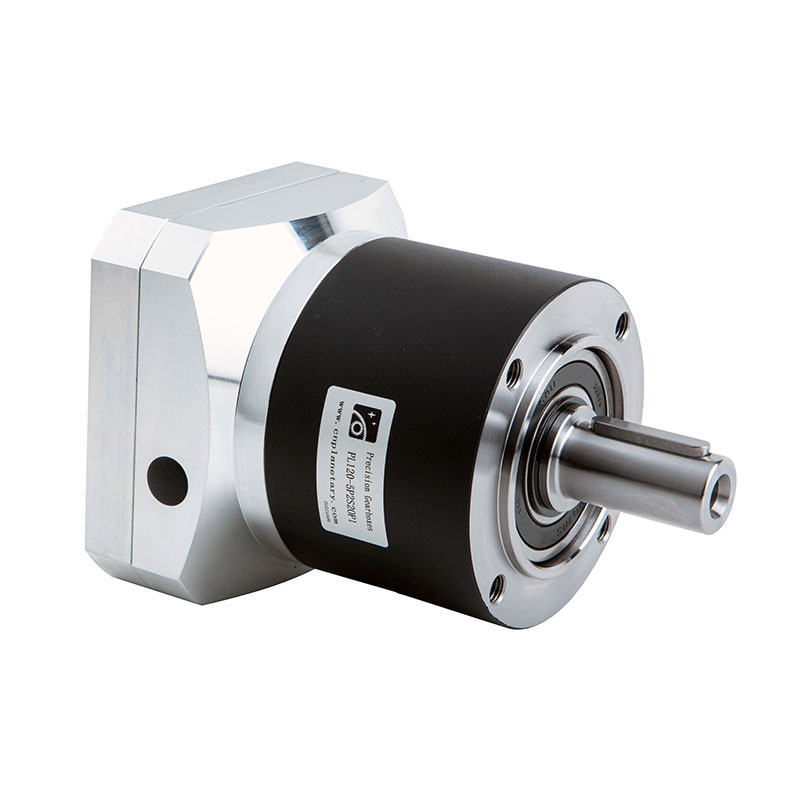
In the realm of mechanical engineering, the planetary gearbox stands as one of the most efficient and reliable components in power transmission systems. From automotive applications to industrial mach...
See Details
With the rapid development of industrial technology, mechanical equipment has become increasingly important in all walks of life and has become a key factor in promoting the improvement of productivit...
See Details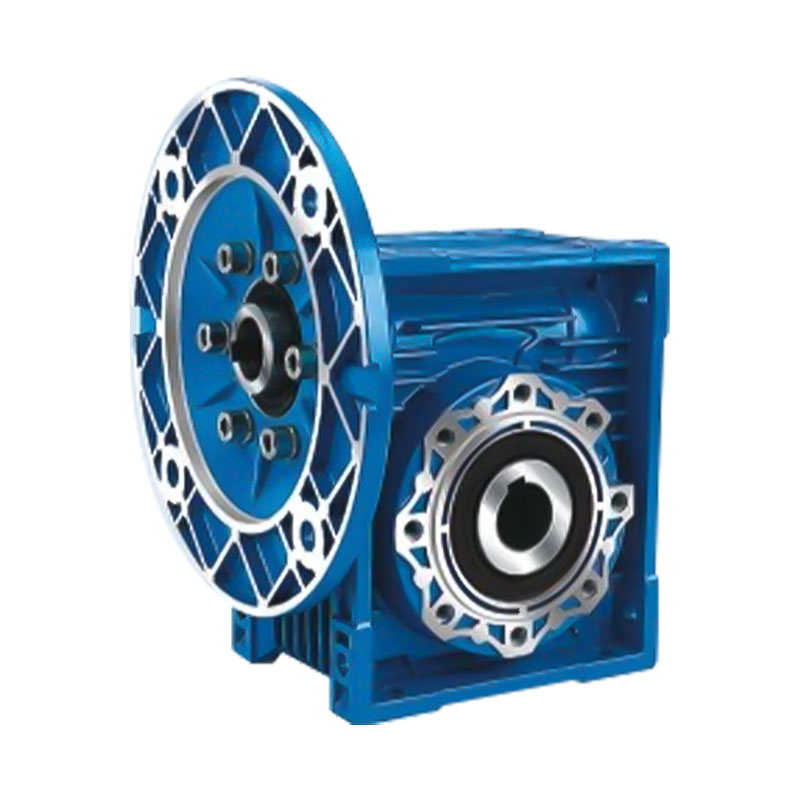
In modern industrial transmission systems, efficient, reliable and compact speed reduction devices are one of the core components that ensure the stable operation of mechanical equipment. With its uni...
See Details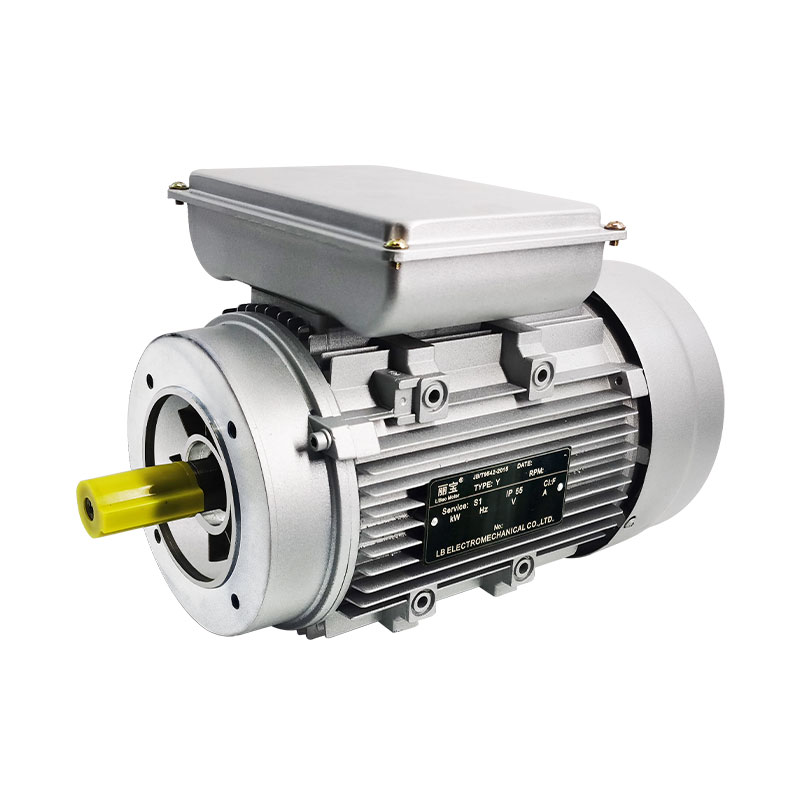
In the huge system of modern electrical equipment, single-phase AC motor is an extremely critical basic component, and its presence is everywhere in all areas of life and production. Whether it is hom...
See DetailsRequest for a call today