English
 中文简体
中文简体 Español
In the realm of mechanical engineering, the planetary gearbox stands as one of the most efficient and reliable components in power transmission systems. From automotive applications to industrial mach...
See Details
Proper lubrication is a fundamental factor in ensuring the reliable operation and longevity of the T Series Steering Spiral Bevel Gearbox. Lubrication not only reduces friction between gears and bearings but also plays a crucial role in controlling heat, preventing corrosion, and minimizing wear over extended periods of operation.
The T Series Steering Spiral Bevel Gearbox is designed to transmit torque efficiently while providing precise steering control. To achieve these objectives, the gearbox incorporates high-precision spiral bevel gears, robust bearings, and a rigid housing. Each of these components has specific lubrication requirements:
The choice of lubricant, its application method, and maintenance schedule collectively determine the operational efficiency and lifespan of the gearbox.
Lubrication of the T Series Steering Spiral Bevel Gearbox can be categorized into several standard approaches. Each method has advantages and potential limitations depending on operating conditions:
Oil bath lubrication involves submerging the lower portion of the gearbox in a reservoir of lubricating oil. As the gears rotate, they splash the oil onto the mating surfaces and bearings, maintaining a continuous lubricant film.
In high-speed or high-load applications, a forced circulation lubrication system may be employed. This method uses pumps to deliver oil under pressure to critical points within the T Series Steering Spiral Bevel Gearbox.
Grease lubrication is sometimes applied to auxiliary bearings or gear surfaces where oil bath or circulation systems are impractical. Grease provides a thick protective layer, reducing the need for frequent replenishment.
The selection of a suitable lubricant for the T Series Steering Spiral Bevel Gearbox must consider several parameters, including viscosity, temperature stability, and additive composition. Industry-standard gear oils are commonly used, and they are often formulated with extreme pressure (EP) additives to withstand high-load conditions.
Lubricant viscosity directly influences the formation of a protective film between gear teeth and bearings. An insufficient viscosity can lead to metal-to-metal contact, while excessively thick oil may increase friction and reduce efficiency.
| Gearbox application | Recommended viscosity range | Typical operating temperature |
|---|---|---|
| Light-duty steering | ISO VG 68 – 100 | 20–60°C |
| Medium-duty steering | ISO VG 100 – 150 | 40–80°C |
| Heavy-duty industrial | ISO VG 150 – 220 | 60–100°C |
EP additives, anti-oxidants, and corrosion inhibitors are essential for protecting the internal components of the T Series Steering Spiral Bevel Gearbox. In some cases, synthetic oils are preferred for extended temperature ranges and improved thermal stability. Proper additive selection ensures the lubricant maintains its performance characteristics over long periods of operation.
Regular maintenance is critical to ensure the T Series Steering Spiral Bevel Gearbox continues to operate effectively. Key practices include:
| Operating condition | Oil change frequency |
|---|---|
| Normal steering operation | Every 2,000–3,000 hours |
| Severe conditions (high temperature or dust) | Every 1,000–1,500 hours |
| Industrial heavy-duty applications | Every 500–1,000 hours |
Even with proper lubricant selection, the T Series Steering Spiral Bevel Gearbox may encounter lubrication-related issues. Common problems include:
Addressing these issues requires a combination of preventive maintenance, routine inspections, and correct lubricant application.
Modern steering gearboxes, including the T Series Steering Spiral Bevel Gearbox, may incorporate additional technologies to enhance lubrication performance:
These innovations contribute to lower operational costs, improved reliability, and reduced downtime in critical steering systems.
The effectiveness of lubrication in the T Series Steering Spiral Bevel Gearbox is influenced by environmental conditions:
Properly engineered housing, seals, and lubrication strategies can mitigate these challenges, ensuring consistent gearbox performance.
Field engineers responsible for T Series Steering Spiral Bevel Gearbox maintenance should follow these practical guidelines:
These measures improve reliability, reduce unexpected downtime, and prolong the gearbox lifespan.
The T Series Steering Spiral Bevel Gearbox relies on effective lubrication to deliver reliable and precise steering performance. Selecting the appropriate lubricant, applying the correct method, and maintaining a rigorous inspection and replacement schedule are essential for operational efficiency.
Q1: How often should the oil in a T Series Steering Spiral Bevel Gearbox be replaced?
A: Oil replacement depends on operating conditions. For standard applications, every 2,000–3,000 hours is recommended, while severe or heavy-duty conditions may require changes every 500–1,500 hours.
Q2: Can synthetic oil be used in the T Series Steering Spiral Bevel Gearbox?
A: Yes, high-performance synthetic oils are suitable, offering enhanced temperature stability, extended service life, and improved protection against wear.
Q3: What are the signs of insufficient lubrication?
A: Increased noise, overheating, visible wear on gear teeth, and discoloration of the lubricant are typical indicators.
Q4: Is grease lubrication ever suitable for the T Series Steering Spiral Bevel Gearbox?
A: Grease can be used for auxiliary bearings or low-speed applications, but it may not provide adequate cooling for high-speed gear operation.
Q5: How can contamination in the lubricant be prevented?
A: Proper sealing, regular inspection, and using filtered or high-quality lubricants help minimize contamination from dust, debris, or moisture.
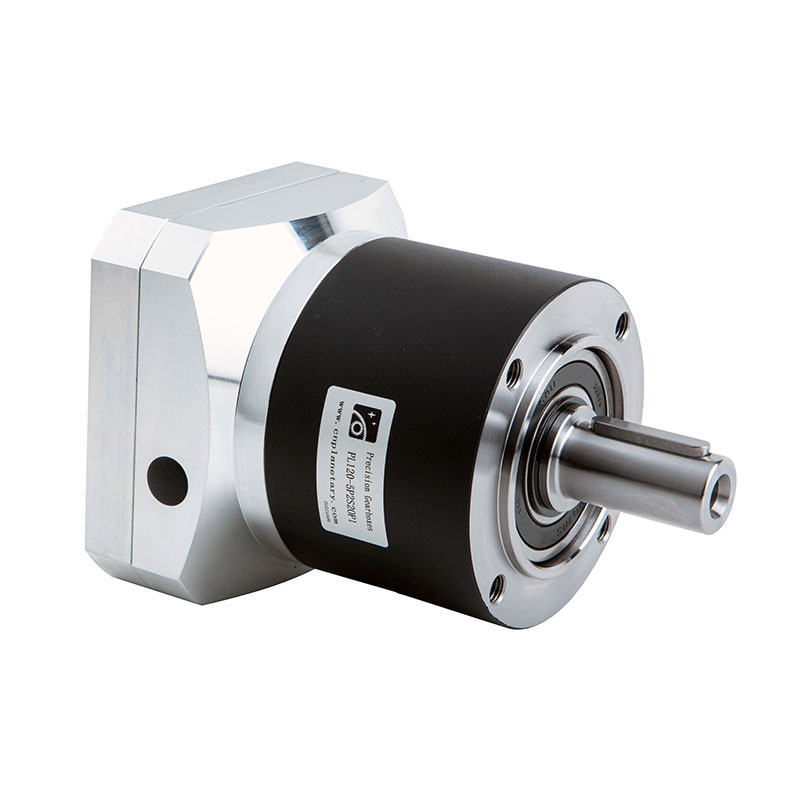
In the realm of mechanical engineering, the planetary gearbox stands as one of the most efficient and reliable components in power transmission systems. From automotive applications to industrial mach...
See Details
With the rapid development of industrial technology, mechanical equipment has become increasingly important in all walks of life and has become a key factor in promoting the improvement of productivit...
See Details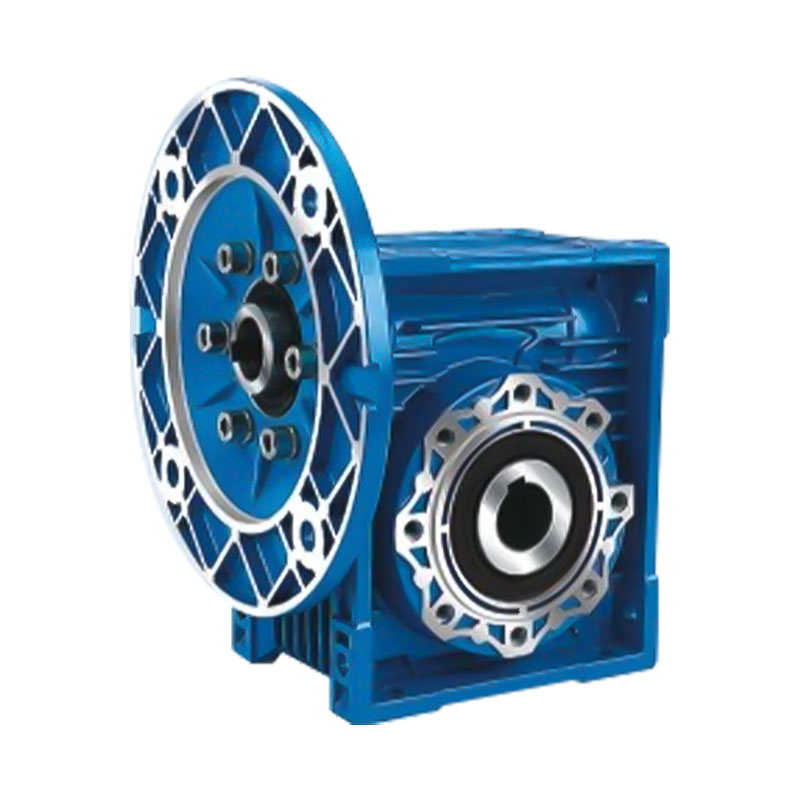
In modern industrial transmission systems, efficient, reliable and compact speed reduction devices are one of the core components that ensure the stable operation of mechanical equipment. With its uni...
See Details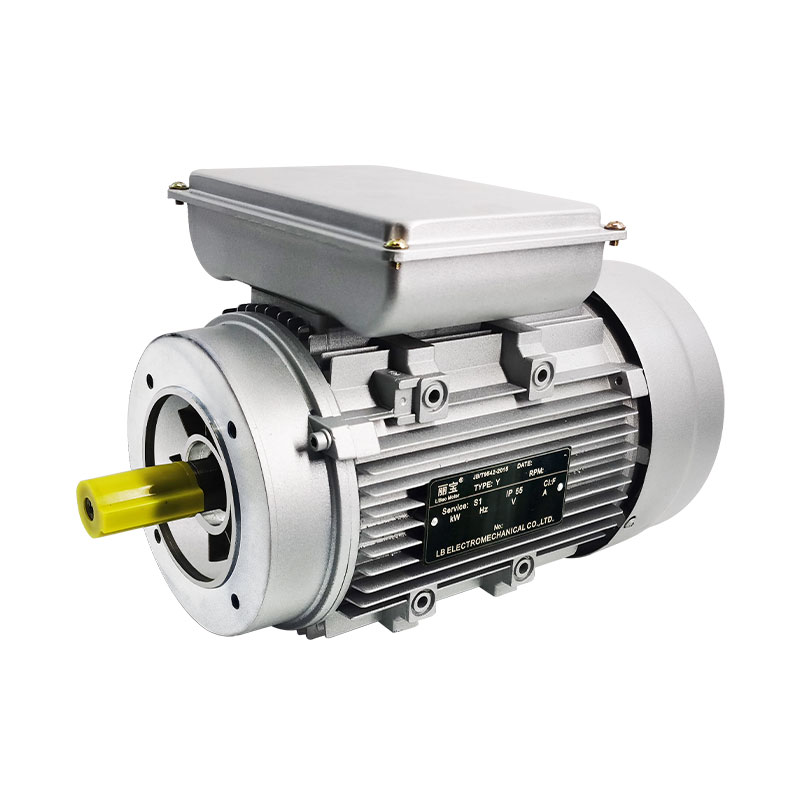
In the huge system of modern electrical equipment, single-phase AC motor is an extremely critical basic component, and its presence is everywhere in all areas of life and production. Whether it is hom...
See DetailsRequest for a call today