English
 中文简体
中文简体 Español
In the realm of mechanical engineering, the planetary gearbox stands as one of the most efficient and reliable components in power transmission systems. From automotive applications to industrial mach...
See Details
SWL Worm Gear Screw Jack is widely utilized in industrial lifting, positioning, and motion control applications due to its compact structure, high load capacity, and reliability. However, overheating remains a critical concern in maintaining optimal performance and extending the operational lifespan of these devices.
Overheating in a swl worm gear screw jack occurs when excessive friction, improper lubrication, high ambient temperature, or overloading causes the internal components to generate more heat than can be dissipated. This heat accumulation can lead to wear of the worm and gear teeth, degradation of lubricants, and, in severe cases, structural damage to the screw jack housing.
Common symptoms of overheating include unusual temperature rise at the housing, abnormal noises, reduced lifting efficiency, and accelerated wear of moving parts. Proper monitoring and preventive strategies are crucial to ensure the jack operates within safe temperature limits.
Identifying the sources of overheating is the first step in prevention. The main factors include:
Understanding these factors allows for targeted preventive strategies to mitigate overheating risks.
Maintaining adequate lubrication is essential for heat reduction in a swl worm gear screw jack. High-quality lubricants reduce friction, protect gear teeth, and help dissipate heat. Users should:
Table 1: Recommended lubrication schedule for swl worm gear screw jack
| Component | Lubricant Type | Re-lubrication Interval | Notes |
|---|---|---|---|
| Worm and gear teeth | High-viscosity oil | Every 500-1000 operational hours | Adjust for heavy load or high-speed use |
| Bearings | Grease (temperature-resistant) | Every 1000-1500 operational hours | Ensure even application |
| Housing seals | Compatible grease | During major maintenance | Prevent leakage and contamination |
Operating within the rated load capacity is a key preventive strategy. Overloading increases frictional heat and stress on components. Users should:
Continuous high-speed operation is a major contributor to overheating. Strategies include:
External conditions significantly impact heat accumulation. Recommendations include:
Proper alignment minimizes friction and uneven wear. Preventive measures include:
Regular inspection identifies early signs of wear or damage that can contribute to overheating. Key actions include:
Table 2: Maintenance inspection checklist for swl worm gear screw jack
| Inspection Item | Frequency | Observed Issues | Corrective Action |
|---|---|---|---|
| Worm and gear teeth | Monthly | Wear, pitting, deformation | Replace or re-machine affected parts |
| Bearings | Quarterly | Noise, overheating, friction | Lubricate or replace |
| Lubrication level | Monthly | Low or contaminated oil | Refill or change lubricant |
| Alignment | Semi-annually | Misalignment, uneven wear | Adjust installation |
| Housing integrity | Annually | Cracks, warping, overheating | Repair or reinforce housing |
Installing temperature sensors allows real-time monitoring of the swl worm gear screw jack. Alerts for abnormal temperature rise enable preventive shutdown or corrective action before serious damage occurs.
For high-demand applications, incorporating external cooling mechanisms can significantly reduce overheating risks. Methods include:
Using heat-resistant materials and optimized worm-gear geometries can improve thermal management. Some design improvements include:
Preventing overheating in a swl worm gear screw jack requires a comprehensive approach combining proper lubrication, load management, speed regulation, environmental control, alignment, and regular maintenance. Implementing advanced monitoring and cooling solutions further enhances operational safety and efficiency.
Q1: How often should I check the temperature of a swl worm gear screw jack?
Temperature monitoring should be done during routine inspections and after any high-load or high-speed operation.
Q2: Can a swl worm gear screw jack be operated continuously at maximum load?
No, continuous operation at maximum load increases the risk of overheating and accelerated wear. It is recommended to follow manufacturer duty cycles.
Q3: What type of lubricant is most effective in reducing overheating?
High-viscosity oils with heat-resistant properties for the worm and gear, and compatible greases for bearings, are recommended.
Q4: How does misalignment contribute to overheating?
Misalignment increases friction between moving parts, leading to heat accumulation and uneven wear.
Q5: Are cooling systems necessary for all swl worm gear screw jack applications?
Cooling systems are primarily needed in high-speed or heavy-load applications. For standard duty cycles, proper lubrication and load management are usually sufficient.
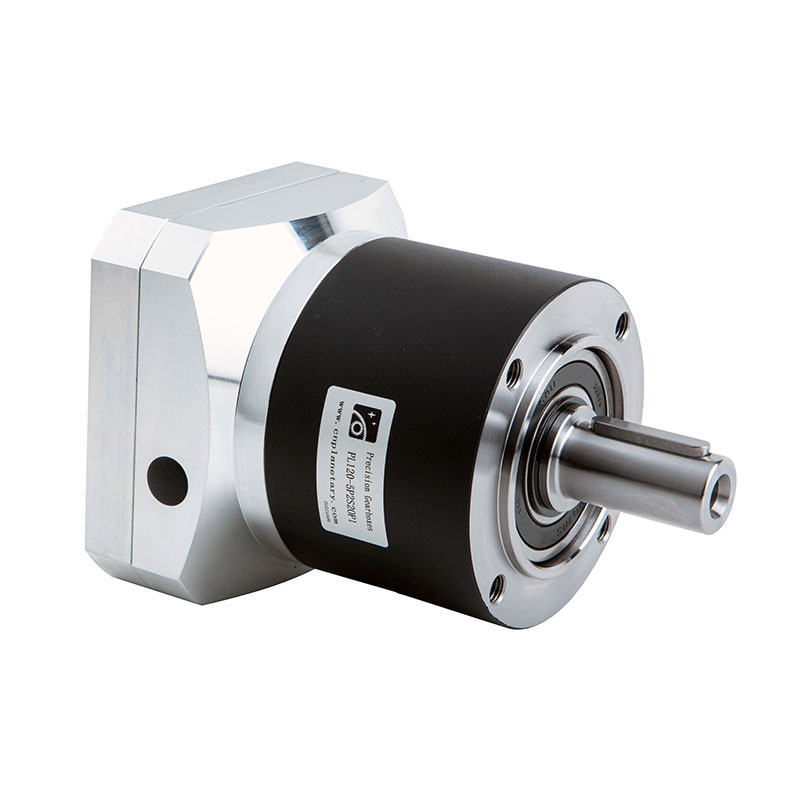
In the realm of mechanical engineering, the planetary gearbox stands as one of the most efficient and reliable components in power transmission systems. From automotive applications to industrial mach...
See Details
With the rapid development of industrial technology, mechanical equipment has become increasingly important in all walks of life and has become a key factor in promoting the improvement of productivit...
See Details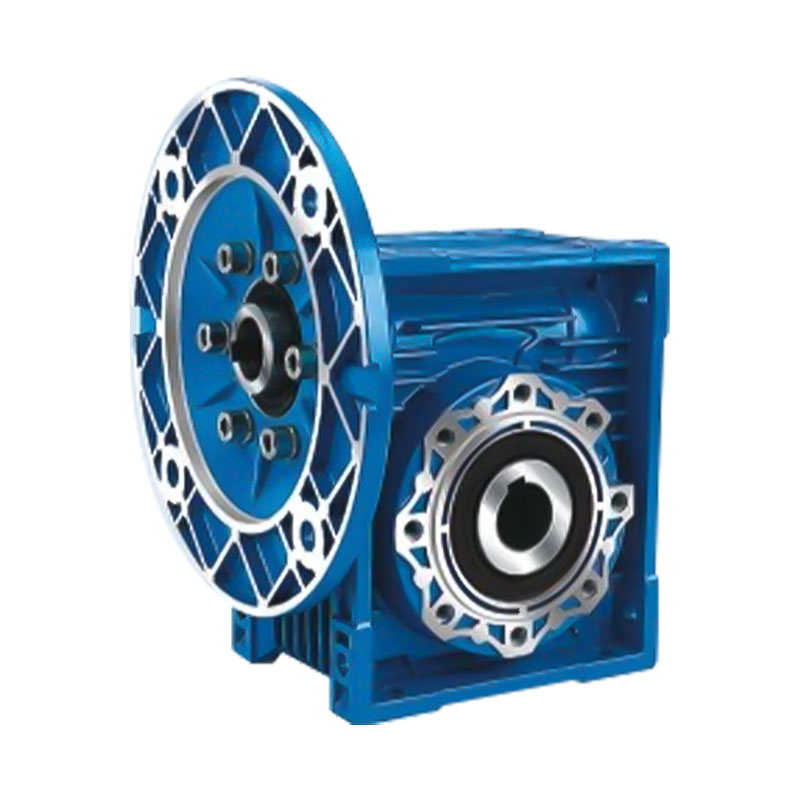
In modern industrial transmission systems, efficient, reliable and compact speed reduction devices are one of the core components that ensure the stable operation of mechanical equipment. With its uni...
See Details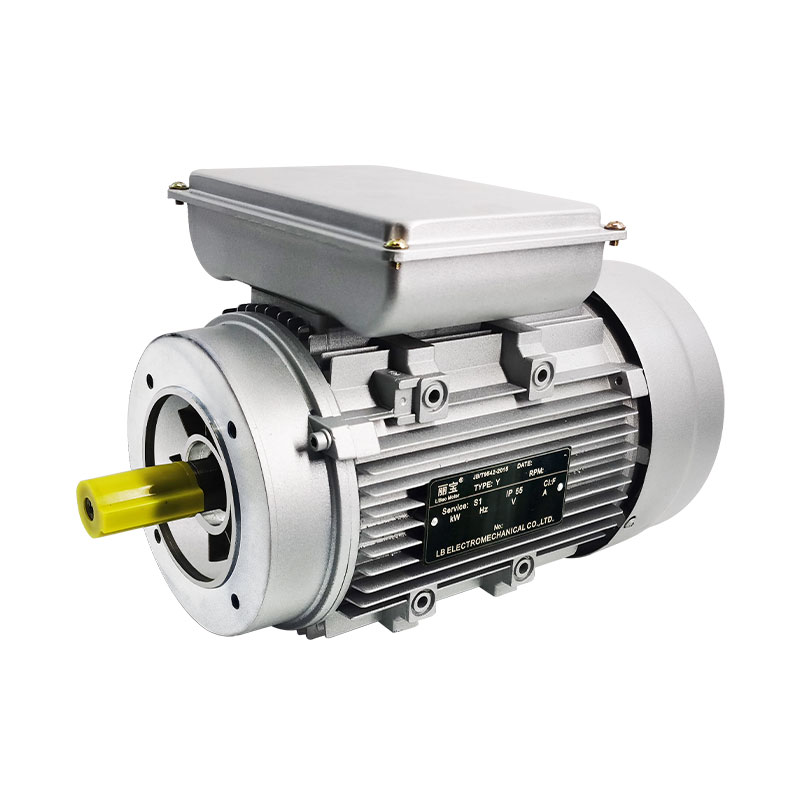
In the huge system of modern electrical equipment, single-phase AC motor is an extremely critical basic component, and its presence is everywhere in all areas of life and production. Whether it is hom...
See DetailsRequest for a call today