English
 中文简体
中文简体 Español
In the realm of mechanical engineering, the planetary gearbox stands as one of the most efficient and reliable components in power transmission systems. From automotive applications to industrial mach...
See Details
The WP worm gear reducer is a widely used mechanical device designed to transmit power efficiently while providing significant torque multiplication. Its versatility makes it suitable for a broad range of industrial applications, including conveyors, packaging machinery, material handling equipment, and automated assembly systems. A critical aspect of ensuring the optimal performance of WP worm gear reducer lies in selecting the appropriate mounting configuration. The mounting arrangement affects not only the mechanical alignment and operational stability but also the service life and maintenance requirements of the unit.
The mounting configuration of a WP worm gear reducer determines how the unit integrates with the driven equipment and the driving source. Proper mounting ensures that shaft alignment, load distribution, and vibration control are maintained within acceptable limits. Misalignment or improper installation can lead to premature wear of worm gears and bearings, increased noise, and reduced efficiency. Consequently, understanding the various mounting options is crucial for engineers, maintenance personnel, and procurement specialists aiming to maximize equipment reliability.
Mounting configurations also influence space utilization in machinery layouts. For instance, right-angle configurations allow compact installation in constrained spaces, while foot-mounted units provide stability for horizontal installations. The choice of configuration is often driven by application requirements, including torque capacity, rotational direction, and integration with drives, couplings, and motor types.
Several mounting options are standard across industrial applications, each designed to address specific mechanical and operational requirements. The most frequently used configurations include foot-mounted, flange-mounted, shaft-mounted, and right-angle mounting.
The foot-mounted configuration is one of the most widely adopted arrangements for WP worm gear reducer. In this setup, the reducer is mounted on a flat surface using base plates or mounting feet integrated into the housing. This configuration offers stability and ease of alignment, making it suitable for heavy-duty applications such as conveyor systems and large material handling equipment.
Key characteristics of foot-mounted WP worm gear reducers include:
Table 1: Advantages and typical applications of foot-mounted WP worm gear reducer
| Feature | Advantage | Typical Application |
|---|---|---|
| Load capacity | High, stable base support | Conveyor belts, industrial mixers |
| Alignment | Easy horizontal alignment | Packaging lines, automated assembly |
| Flexibility | Can accommodate various motor types | Material handling systems |
| Maintenance | Simplified access to bearings and shafts | Food processing machinery |
The flange-mounted WP worm gear reducer uses a flange interface to connect directly to the driven machinery or motor. This type of mounting is particularly advantageous in applications requiring compact installation or where vertical mounting is necessary.
Characteristics and benefits include:
Flange-mounted WP worm gear reducers are frequently applied in conveying equipment, mixing systems, and vertical lifts, where both compactness and stability are critical.
In shaft-mounted arrangements, the WP worm gear reducer is directly mounted onto the driven shaft using a hollow bore or clamp mechanism. This configuration eliminates the need for a separate foot or base support and is often used in applications where rotating shafts are the primary power transmission element.
Advantages of shaft-mounted WP worm gear reducers include:
Table 2: Comparison of common mounting configurations for WP worm gear reducer
| Mounting Type | Stability | Space Efficiency | Typical Industries | Maintenance Ease |
|---|---|---|---|---|
| Foot-mounted | High | Moderate | Material handling, mixers | High |
| Flange-mounted | Moderate | High | Robotics, packaging | Moderate |
| Shaft-mounted | Moderate | Very high | Conveyors, rollers | Moderate |
| Right-angle | High | High | Printing, conveyor drives | Moderate |
The right-angle WP worm gear reducer provides a 90-degree change in the direction of shaft rotation, enabling compact designs in constrained installation areas. This configuration is particularly valuable when machinery layout or workflow requires directional changes.
Key considerations for right-angle WP worm gear reducers include:
When selecting a mounting configuration for WP worm gear reducer, several factors must be evaluated:
Understanding these factors ensures that the WP worm gear reducer operates efficiently and reliably while reducing maintenance requirements and potential downtime.
Proper installation of WP worm gear reducer is essential to maximize its service life and maintain optimal performance. General guidelines include:
Following these best practices reduces mechanical stress on the gears and bearings, enhancing overall reliability.
WP worm gear reducers are commonly integrated into conveyor systems, robotic arms, automated assembly lines, and packaging equipment. Each application may dictate a preferred mounting configuration:
Optimizing the integration requires careful consideration of alignment, torque requirements, and operational environment, such as temperature, dust, or exposure to corrosive agents.
While the choice of mounting configuration directly influences operational stability, maintenance practices are equally important. Recommended practices include:
Implementing these practices enhances the longevity and reliability of WP worm gear reducer across different mounting configurations.
The selection of a mounting configuration for WP worm gear reducer is a critical decision that affects mechanical performance, installation feasibility, and long-term reliability. The most common configurations—foot-mounted, flange-mounted, shaft-mounted, and right-angle—each offer unique advantages suited to specific industrial applications.
Q1: Can a WP worm gear reducer be installed in multiple orientations?
Yes, depending on the design, many WP worm gear reducers can be installed horizontally, vertically, or inverted, with proper attention to lubrication and alignment.
Q2: Which mounting configuration is best for high-torque applications?
Foot-mounted WP worm gear reducers are generally preferred for high-torque applications due to their stable base and load-bearing capacity.
Q3: How do right-angle configurations affect efficiency?
Right-angle WP worm gear reducers may exhibit slightly lower efficiency compared to inline configurations, but they provide advantages in space utilization and directional changes.
Q4: Are flange-mounted WP worm gear reducers suitable for vertical shafts?
Yes, flange-mounted configurations are ideal for vertical installations and compact layouts.
Q5: How often should mounting bolts be checked?
It is recommended to inspect mounting bolts during routine maintenance, particularly after initial operation or following heavy-duty cycles.
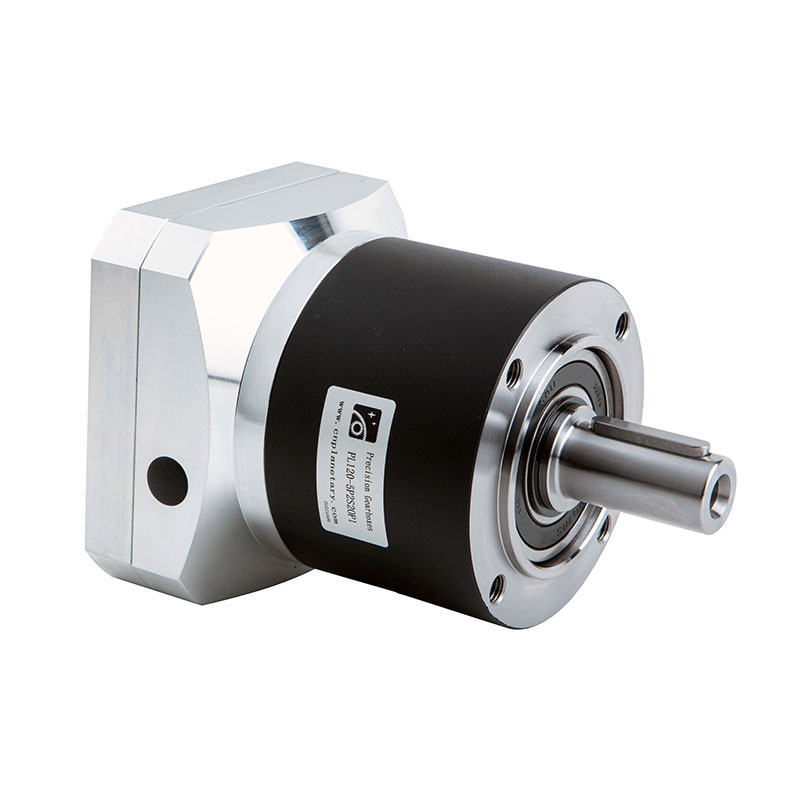
In the realm of mechanical engineering, the planetary gearbox stands as one of the most efficient and reliable components in power transmission systems. From automotive applications to industrial mach...
See Details
With the rapid development of industrial technology, mechanical equipment has become increasingly important in all walks of life and has become a key factor in promoting the improvement of productivit...
See Details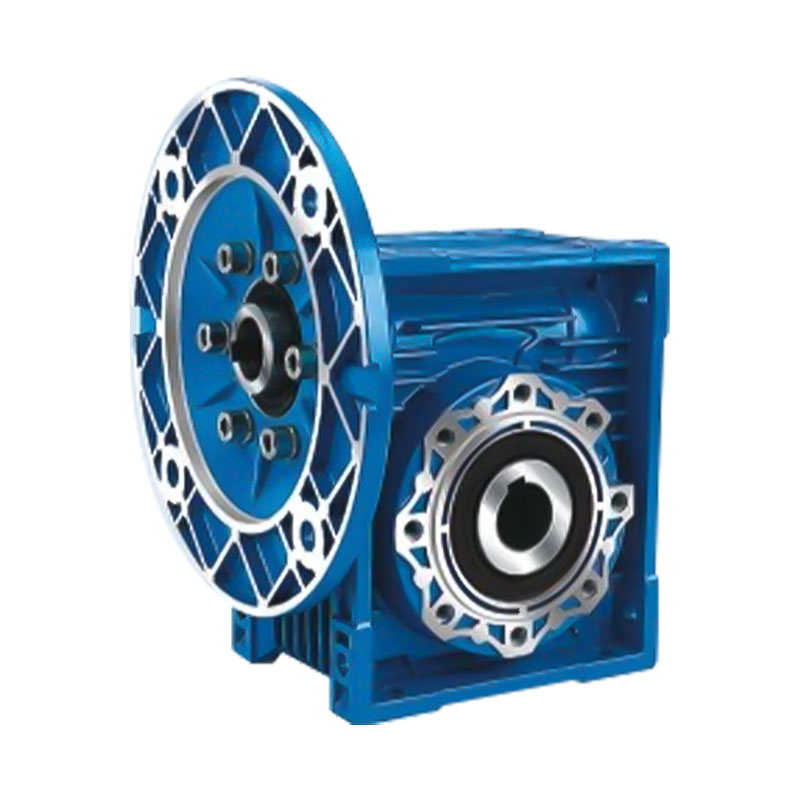
In modern industrial transmission systems, efficient, reliable and compact speed reduction devices are one of the core components that ensure the stable operation of mechanical equipment. With its uni...
See Details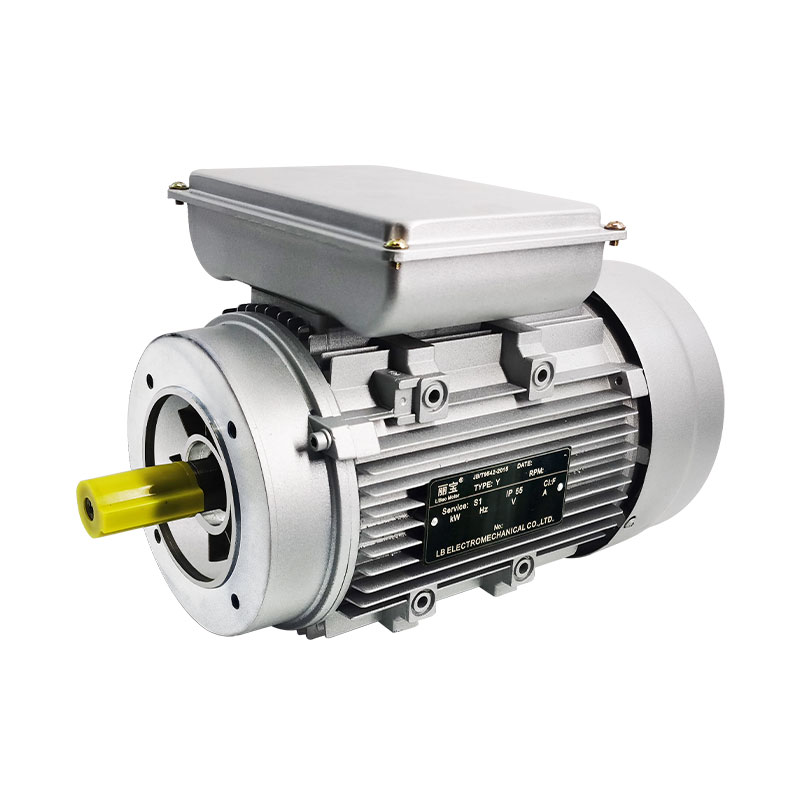
In the huge system of modern electrical equipment, single-phase AC motor is an extremely critical basic component, and its presence is everywhere in all areas of life and production. Whether it is hom...
See DetailsRequest for a call today