English
 中文简体
中文简体 Español
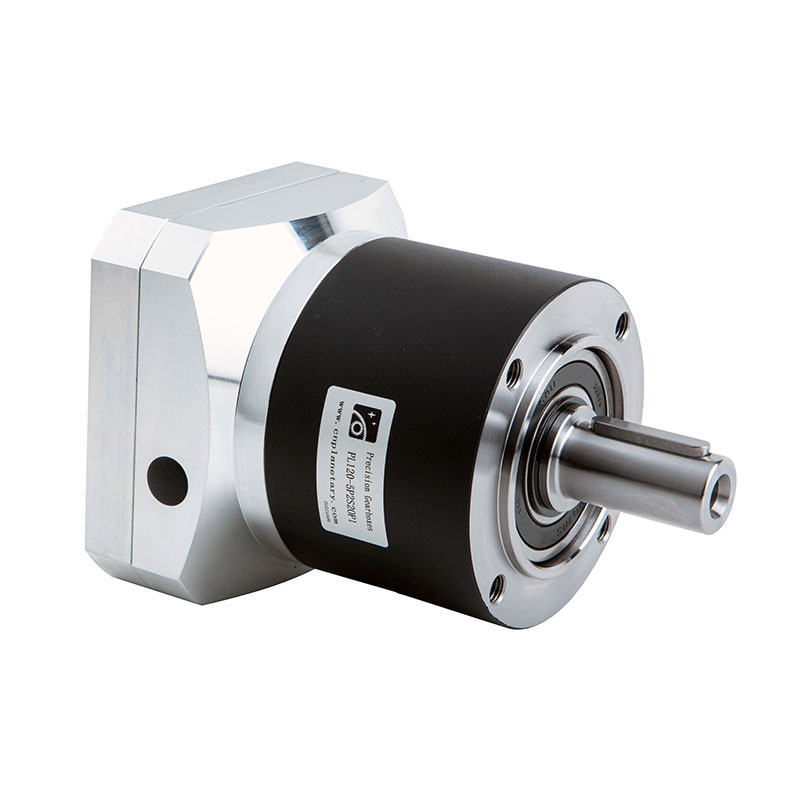
In the realm of mechanical engineering, the planetary gearbox stands as one of the most efficient and reliable components in power transmission systems. From automotive applications to industrial mach...
See Details
The PL PF Series Precision Planetary Reducer is widely used in industries requiring high precision, reliability, and efficiency. One of the most critical aspects of its operation is heat dissipation, which directly affects performance, lifespan, and operational stability.
During operation, the PL PF Series Precision Planetary Reducer experiences friction between its gears, bearings, and housing components. This friction generates heat, which, if not managed effectively, can lead to thermal expansion, reduced efficiency, and accelerated wear.
Primary sources of heat include:
By understanding these sources, engineers can design and operate the PL PF Series Precision Planetary Reducer to minimize overheating and maintain optimal performance.
The PL PF Series Precision Planetary Reducer is engineered with multiple features to enhance thermal management and ensure efficient operation.
Materials with high thermal conductivity are used for gears, shafts, and housing to facilitate heat transfer from internal components to the external environment. Metals such as alloy steel and treated aluminum alloys are common choices, balancing strength and thermal performance.
The planetary arrangement distributes load across multiple gears and bearings, reducing localized stress and friction. This configuration not only improves torque handling but also mitigates heat buildup, as the energy is dispersed across multiple contact points rather than concentrated in a single area.
The reducer’s housing plays a critical role in heat dissipation. Finned or ribbed housings increase the surface area, promoting natural convection. Smooth surface finishes enhance thermal radiation, allowing heat to escape more efficiently. Additionally, the housing design ensures proper alignment and clearance, reducing friction-induced heat.
A well-designed lubrication system is one of the most effective methods of heat management. The lubricant absorbs heat generated by gears and bearings and transfers it to the housing, where it can dissipate into the environment. High-quality lubricants with appropriate viscosity and thermal stability are critical. Some PL PF Series Precision Planetary Reducers use synthetic lubricants to handle higher operating temperatures without degradation.
Effective seals prevent contaminants from entering the reducer while retaining the lubricant. Clean lubricant ensures consistent heat transfer, and proper sealing prevents leaks that could compromise thermal management. High-performance seals can also withstand elevated temperatures without losing integrity.
Beyond design features, operational practices significantly impact the heat management of a PL PF Series Precision Planetary Reducer.
Operating the reducer within the recommended torque and speed ranges prevents excessive heat generation. Overloading the reducer increases friction and accelerates heat accumulation. Monitoring systems can track torque, speed, and temperature to ensure safe operation.
The working environment affects heat dissipation. Adequate airflow around the PL PF Series Precision Planetary Reducer promotes natural cooling. In enclosed spaces, additional cooling methods such as forced-air fans or heat exchangers may be necessary to maintain optimal temperatures.
Regular maintenance helps manage heat effectively by ensuring that gears, bearings, and lubricants function correctly. Key maintenance tasks include:
Using the correct type and quantity of lubricant is vital. Over-lubrication can cause excess heat due to fluid shear, while under-lubrication increases friction between gears and bearings. Periodic lubricant replacement ensures consistent thermal management.
For high-performance or continuous-duty applications, additional heat management solutions can be applied to the PL PF Series Precision Planetary Reducer.
In environments with high ambient temperatures or heavy load conditions, external cooling can be employed. This may include:
Temperature sensors integrated into the reducer allow real-time monitoring of heat levels. This data enables preventive interventions, such as adjusting operating conditions or scheduling maintenance before overheating occurs.
Some PL PF Series Precision Planetary Reducers use surface treatments such as anodizing or coatings to enhance heat radiation and corrosion resistance. These treatments improve the efficiency of heat transfer and protect the reducer in harsh operating conditions.
Efficient heat management directly impacts the operational efficiency of a PL PF Series Precision Planetary Reducer. Excessive heat can cause:
By controlling temperature, the reducer maintains its precision, durability, and energy efficiency, supporting consistent performance in critical industrial applications.
When evaluating a PL PF Series Precision Planetary Reducer, buyers often consider the following:
Addressing these concerns ensures that the PL PF Series Precision Planetary Reducer remains a reliable choice for applications such as robotics, CNC machinery, automation equipment, and precision assembly lines.
| Heat Management Aspect | Description |
|---|---|
| Material selection | High thermal conductivity metals improve heat transfer |
| Gear and bearing arrangement | Load distribution reduces localized friction and heat |
| Housing design | Finned or ribbed surfaces enhance convection and radiation |
| Lubrication system | Lubricant absorbs heat and reduces friction |
| Sealing | Retains lubricant and prevents contamination |
| Operational practices | Monitoring load, speed, and environment helps prevent overheating |
| Advanced techniques | External cooling, thermal monitoring, and surface treatment improve heat control |
These strategies collectively ensure that a PL PF Series Precision Planetary Reducer maintains optimal temperatures during operation, supporting its precision and longevity.
Heat dissipation is a critical factor in the performance and reliability of a PL PF Series Precision Planetary Reducer. Effective thermal management begins with careful design, including material selection, gear arrangement, housing structure, and lubrication systems. Operational practices such as monitoring load and speed, maintaining appropriate lubrication, and ensuring clean and ventilated environments further enhance heat control.
In the realm of mechanical engineering, the planetary gearbox stands as one of the most efficient and reliable components in power transmission systems. From automotive applications to industrial mach...
See Details
With the rapid development of industrial technology, mechanical equipment has become increasingly important in all walks of life and has become a key factor in promoting the improvement of productivit...
See Details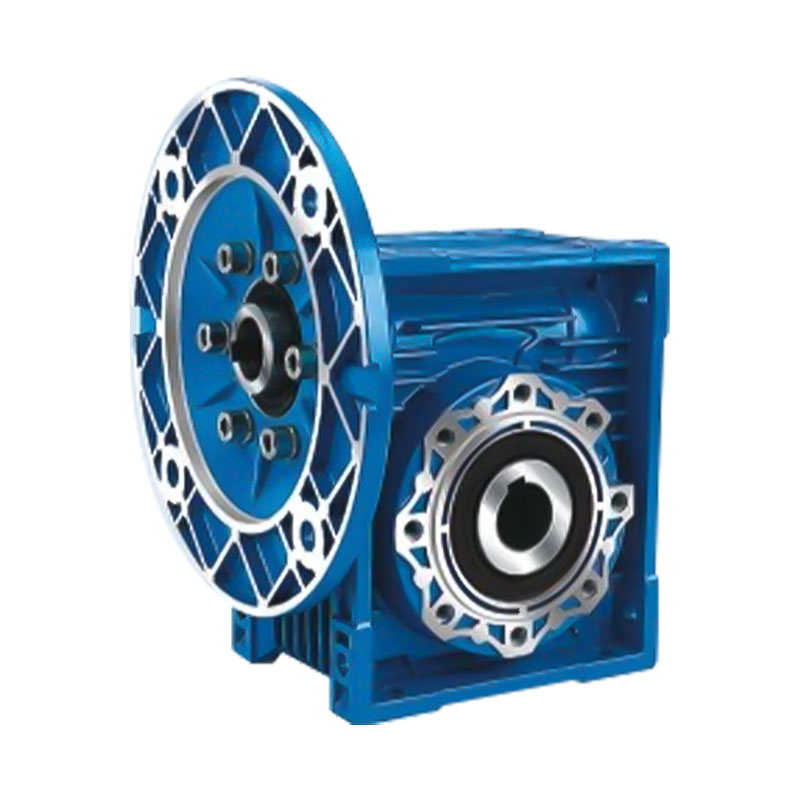
In modern industrial transmission systems, efficient, reliable and compact speed reduction devices are one of the core components that ensure the stable operation of mechanical equipment. With its uni...
See Details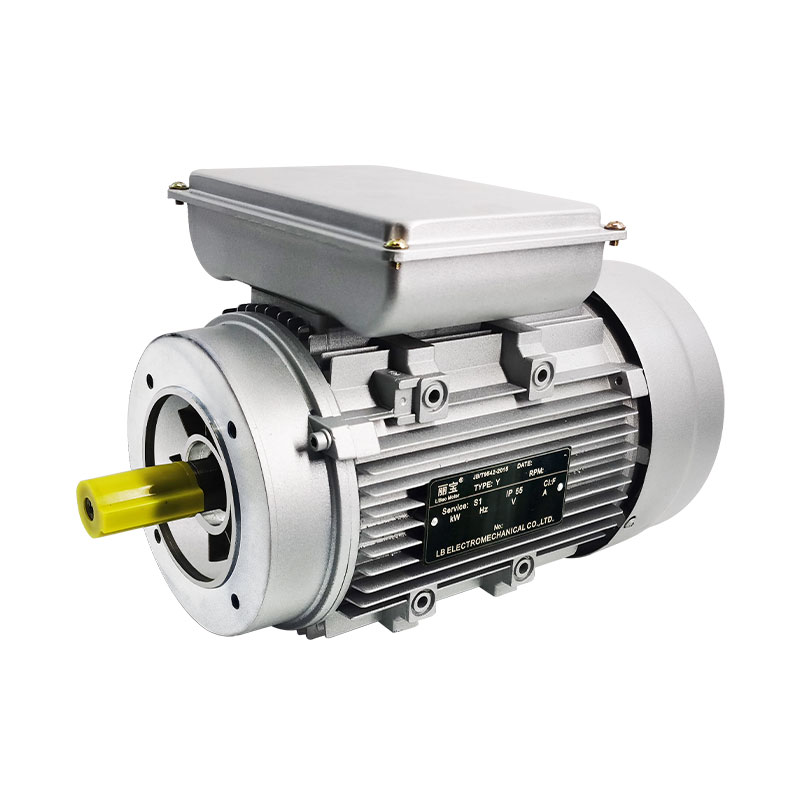
In the huge system of modern electrical equipment, single-phase AC motor is an extremely critical basic component, and its presence is everywhere in all areas of life and production. Whether it is hom...
See DetailsRequest for a call today