English
 中文简体
中文简体 Español
In the realm of mechanical engineering, the planetary gearbox stands as one of the most efficient and reliable components in power transmission systems. From automotive applications to industrial mach...
See Details
The fundamental difference between a bevel gear and a spiral bevel gear lies in the shape of their teeth. A standard bevel gear has straight teeth that are cut radially along the cone surface, while a spiral bevel gear has curved, oblique teeth that wrap around the cone at a helix angle — typically between 25° and 45°. This seemingly simple geometric change has significant downstream effects on performance, noise, load capacity, and application suitability.
In short: straight bevel gears are simpler and lower-cost; spiral bevel gears offer higher efficiency, smoother operation, and greater load-bearing capacity — making them the preferred choice in demanding industrial and precision motion-control applications.
In a straight bevel gear, each tooth is aligned along a straight radial line on the conical surface. Contact between mating gear teeth occurs along the full tooth width simultaneously. This instantaneous, full-line engagement creates an abrupt load transfer that generates vibration and noise — especially at higher rotational speeds above approximately 1,000 RPM.
Spiral bevel gear teeth are curved at a defined spiral angle. As the gear rotates, contact begins at one end of the tooth and gradually progresses to the other. This gradual, rolling engagement distributes load more evenly across the tooth face, reduces shock, and dramatically lowers noise and vibration levels. Spiral bevel gears can reliably operate at speeds exceeding 5,000 RPM in precision applications.
The differences in tooth geometry translate into measurable performance distinctions across several key parameters:
| Parameter | Straight Bevel Gear | Spiral Bevel Gear |
|---|---|---|
| Tooth Contact | Instantaneous full-line contact | Progressive gradual contact |
| Noise Level | Higher (especially at speed) | Significantly lower |
| Load Capacity | Moderate | Up to 30–50% higher |
| Max Operating Speed | Up to ~1,000 RPM typical | 5,000+ RPM achievable |
| Transmission Efficiency | ~95–97% | ~97–99% |
| Axial Thrust Force | Lower | Higher (requires thrust bearings) |
| Manufacturing Complexity | Simple | Complex (requires specialized grinding) |
| Cost | Lower | Higher |
One important trade-off of spiral bevel gears is the generation of axial (thrust) forces due to the helix angle. These forces must be managed with appropriate thrust bearings, which adds to system design complexity but enables much more robust performance overall.
Spiral bevel gears achieve transmission efficiencies of 97–99% per gear stage due to the smoother tooth engagement and reduced friction. Straight bevel gears typically range from 95–97%. While this difference seems small on paper, in high-power or continuous-duty systems, the cumulative energy savings are significant. For example, in a 100 kW drive system running 20 hours per day, a 2% efficiency improvement translates to approximately 40 kW·h of saved energy per day.
The increased contact ratio of spiral bevel gears — typically 1.5 to 2.0 compared to roughly 1.0–1.2 for straight bevel gears — means more teeth share the load at any given moment. This directly improves torque capacity and gear longevity.
A prime example of spiral bevel gear technology in a specialized application is the T Series Steering Spiral Bevel Gearbox, which integrates spiral bevel gear pairs to deliver smooth, precise directional control under high-load, low-backlash operating conditions — a requirement that straight bevel gears simply cannot meet reliably.
Straight bevel gears can be manufactured using conventional milling or planing equipment and are relatively easy to inspect and replace. Spiral bevel gears require specialized gear-grinding or lapping machines — such as those using face-mill or face-hobbing cutting processes — that hold tighter tolerances, often to ISO accuracy grade 5 or better.
The lapping process, commonly used in spiral bevel gear finishing, involves running two mating gears together under a fine abrasive compound to achieve a matched, precise tooth contact pattern. This results in superior surface finish (Ra values below 0.4 μm) and contributes to the low noise and long service life characteristic of quality spiral bevel gear sets.
This higher manufacturing investment means that spiral bevel gears typically cost 1.5 to 3 times more than equivalent straight bevel gears, though the performance return justifies the premium in most demanding applications.
Straight bevel gears can often operate with splash lubrication or periodic grease application, making maintenance straightforward. Spiral bevel gears, due to their higher sliding contact and axial thrust generation, generally require continuous pressure lubrication with gear oils meeting ISO VG 220 or higher viscosity grades. Proper oil viscosity selection is critical: too thin an oil film leads to accelerated surface wear; too thick increases churning losses and heat generation.
In sealed gearbox configurations — such as those used in steering gearboxes — long-life synthetic gear oils are commonly specified, with service intervals of 10,000 hours or more under normal operating conditions.
When selecting between the two types, consider these deciding factors:
Not without redesign. Spiral bevel gears generate axial thrust forces that require thrust bearings, and the housing geometry may differ. A direct swap is generally not feasible without engineering review.
Most spiral bevel gears use a spiral angle between 25° and 45°. A 35° spiral angle is common as it balances tooth strength, contact ratio, and manageable axial thrust levels.
Yes, in virtually all cases. The gradual tooth engagement of spiral bevel gears eliminates the abrupt load impact of straight bevel gears, reducing noise and vibration — typically by 10–15 dB at equivalent speeds and loads.
Case-hardened alloy steels such as 20CrMnTi or 8620 are most common, with surface hardness of 58–62 HRC after carburizing and grinding, ensuring high wear resistance and fatigue strength.
Its spiral bevel gear pairs provide low backlash, smooth directional response, and high torque capacity — all essential for reliable steering control in industrial and mobile equipment.
Common signs include increasing operating noise, abnormal vibration, oil leakage, excessive heat generation above 80°C, or noticeable backlash increase. Regular inspection and oil analysis help detect wear early.
Yes — Zerol bevel gears have curved teeth like spiral bevel gears but with a zero spiral angle. They offer quieter operation than straight bevel gears but generate less axial thrust than full spiral bevel designs, serving as a middle-ground option.
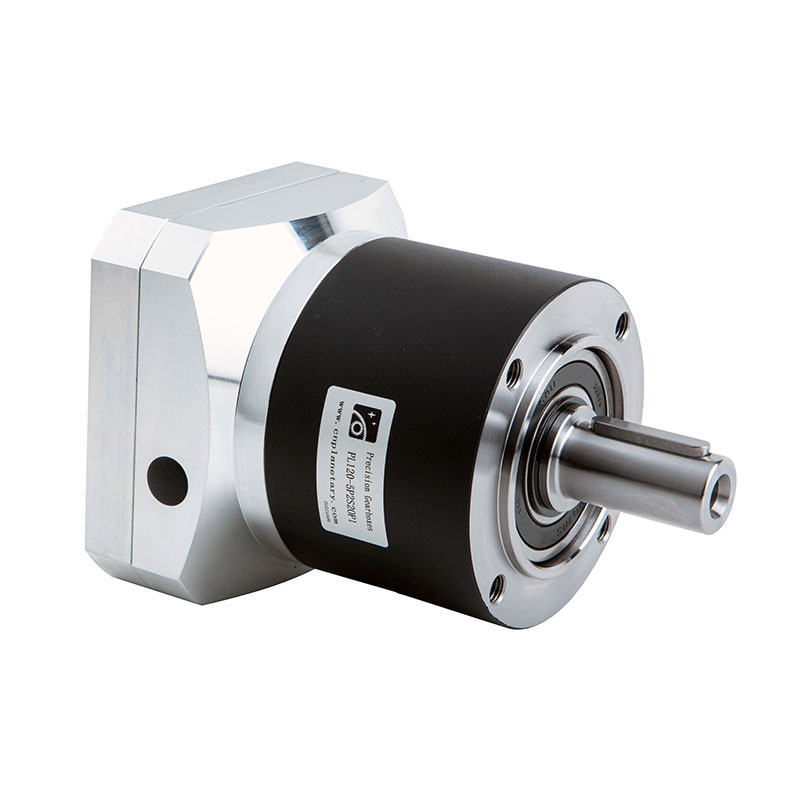
In the realm of mechanical engineering, the planetary gearbox stands as one of the most efficient and reliable components in power transmission systems. From automotive applications to industrial mach...
See Details
With the rapid development of industrial technology, mechanical equipment has become increasingly important in all walks of life and has become a key factor in promoting the improvement of productivit...
See Details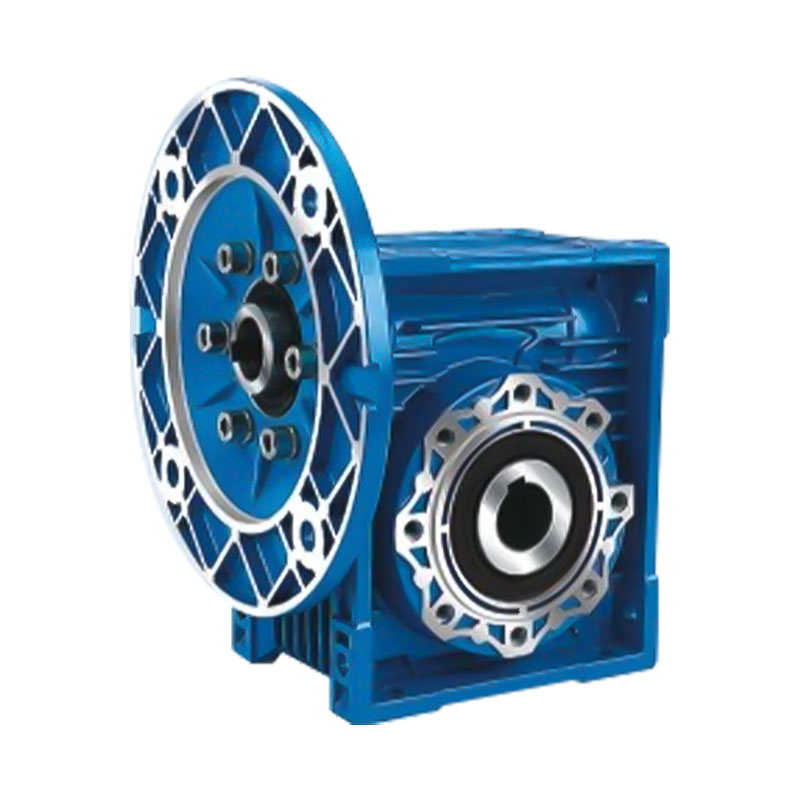
In modern industrial transmission systems, efficient, reliable and compact speed reduction devices are one of the core components that ensure the stable operation of mechanical equipment. With its uni...
See Details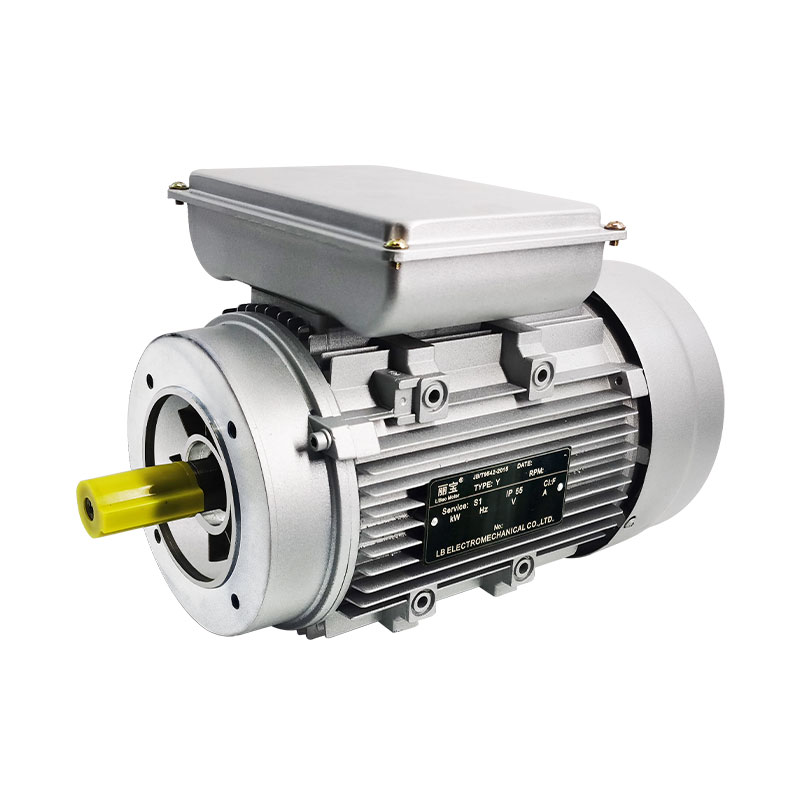
In the huge system of modern electrical equipment, single-phase AC motor is an extremely critical basic component, and its presence is everywhere in all areas of life and production. Whether it is hom...
See DetailsRequest for a call today