English
 中文简体
中文简体 Español
In the realm of mechanical engineering, the planetary gearbox stands as one of the most efficient and reliable components in power transmission systems. From automotive applications to industrial mach...
See Details
Neither gear type is universally better — the right choice depends entirely on your application's requirements. Worm gears excel in high-ratio speed reduction, compact right-angle layouts, and self-locking needs, while helical gears are superior for high efficiency, high-speed transmission, and lower heat generation. Understanding the core differences helps you select the correct drive system from the start and avoid costly redesigns later.
In practical terms: if your machine needs a gear ratio above 20:1 in a single stage, a right-angle output, or a self-locking function, a worm gearbox is typically the better fit. If your priority is power efficiency above 95%, high rotational speed, or minimal heat output, helical gears are the stronger choice.
Worm gears consist of a screw-like worm shaft meshing with a worm wheel at a 90-degree angle. This geometry creates a sliding contact between teeth, which is the root cause of both the high reduction ratio and the lower efficiency characteristic of worm drives.
Helical gears use angled teeth cut across the gear face, so multiple teeth are in contact simultaneously. This rolling contact results in smoother, quieter operation and significantly higher mechanical efficiency. Helical gears are typically arranged on parallel shafts but can also be configured at angles (crossed-axis helical gears), though that application is less common.
Efficiency is where worm and helical gears diverge most sharply. Helical gears typically achieve mechanical efficiency of 94–99%, making them ideal for continuous-duty, high-power applications. In contrast, worm gear efficiency typically ranges from 50–90%, depending heavily on the lead angle of the worm and the gear ratio selected.
At high reduction ratios — for example, 60:1 — a single-stage worm gearbox may operate at only 50–60% efficiency. This means 40–50% of input power is lost as heat. For applications running continuously under full load, this energy loss translates directly into higher operating costs and increased cooling requirements.
Practical example: A 5.5 kW motor driving a worm gearbox at 60:1 ratio (efficiency ~55%) delivers only about 3 kW of usable output power. The same motor on a helical gearbox at 98% efficiency delivers over 5.3 kW. For 8-hour daily operation, the helical system saves significant energy costs annually.
One of the biggest advantages of worm gears is achieving large speed reductions in a single stage. A single-stage worm gearbox can achieve ratios from 5:1 up to 100:1, making it possible to go from a 1450 RPM motor to as low as 14.5 RPM output without stacking multiple gearboxes.
Helical gearboxes typically achieve single-stage ratios of 1.5:1 to 8:1. To reach 60:1 or higher, multiple helical stages must be combined, which increases axial length, weight, and cost. This is where a WPA Single-Stage Worm Gearbox provides a clear mechanical advantage — delivering high reduction ratios in a compact, right-angle housing without the complexity of multi-stage arrangements.
| Feature | Worm Gear | Helical Gear |
|---|---|---|
| Single-stage ratio range | 5:1 – 100:1 | 1.5:1 – 8:1 |
| Typical efficiency | 50% – 90% | 94% – 99% |
| Output shaft angle | 90° (right angle) | Parallel (standard) |
| Self-locking capability | Yes (at high ratios) | No |
| Noise level | Low to moderate | Very low |
| Heat generation | High | Low |
| Typical load capacity | Moderate | High |
| Space requirement | Compact (right angle) | Longer axial footprint |
At gear ratios above approximately 30:1, many worm gears become self-locking — meaning the output shaft cannot back-drive the input. This is a built-in mechanical safety feature that helical gears simply cannot replicate without adding a separate brake or locking mechanism.
Self-locking is critical in applications such as:
Note that self-locking is not absolute — shock loads, vibration, or dynamic forces can sometimes cause a nominally self-locking worm gear to back-drive. For safety-critical lifting, a dedicated mechanical brake remains necessary even with a self-locking gearbox.
Helical gears are significantly quieter than spur gears due to the gradual engagement of angled teeth, and they also outperform worm gears in applications where low noise is paramount. The rolling contact and high contact ratio of helical gears result in smooth torque transmission with minimal vibration.
Worm gears operate with moderate noise levels — generally acceptable for industrial environments but not ideal for applications sensitive to acoustic output. The sliding contact creates a characteristic hum, particularly at higher speeds. That said, at very low output speeds (below 50 RPM), worm gearboxes typically operate very quietly because the sliding velocity is low and the worm wheel's bronze material dampens vibration well.
The higher friction inherent in worm gear operation means that thermal management is a key design consideration. At high load or continuous duty, worm gearboxes may require:
Helical gearboxes generate far less heat and are generally suitable for continuous duty within their mechanical rating without special thermal precautions. Standard industrial gear oil is sufficient for most helical gear applications.
Helical gears typically carry higher radial and tangential loads than equivalent-size worm gears because the contact stress is distributed across multiple teeth simultaneously and the materials (hardened alloy steel throughout) are inherently stronger. This makes helical gears preferable for heavy-duty industrial machinery, large presses, and high-torque conveyors.
Worm gears are limited partly by the softer worm wheel material (bronze or cast iron) used to reduce friction and protect the worm shaft. Over time, high-cycle applications can cause progressive wear of the bronze wheel — particularly if lubrication is insufficient or operating temperature is elevated. Maintenance intervals for worm gearboxes in heavy-duty service should include regular oil analysis and worm wheel inspection.
For intermittent-duty, moderate-load applications — the most common use case for worm gearboxes — durability is entirely acceptable and lifespan of 20,000+ hours is achievable with proper lubrication.
Worm gearboxes generally have a lower initial purchase cost than equivalent-ratio helical units, especially at high reduction ratios. A single-stage worm gearbox at 60:1 is far more economical to manufacture than a three-stage helical gearbox achieving the same ratio. This cost advantage is one reason worm drives remain widely used in cost-sensitive applications.
However, lifecycle cost must account for energy consumption. In continuous-duty applications, the efficiency gap between worm (60–70%) and helical (97–98%) gears results in substantial energy cost differences over time. A total cost of ownership analysis often favors helical gears for high-duty-cycle machines, while worm gears remain the better value for intermittent or low-power applications.
Only if the machine layout accommodates an inline or parallel shaft arrangement and the required reduction ratio is within the helical gear's single or multi-stage range. The 90° output of the worm gearbox and its compact form factor often make direct substitution impractical without significant mechanical redesign.
As the gear ratio increases, the worm lead angle decreases. A smaller lead angle means greater sliding friction during tooth engagement, which directly reduces efficiency. At ratios of 60:1 or higher, efficiency can drop to 50–60% for this reason.
No. Self-locking typically occurs at ratios above 30:1 with lead angles below approximately 5–6 degrees. At lower ratios, back-driving is possible. Even self-locking worm gears can back-drive under dynamic shock loads, so a mechanical brake is still recommended for safety-critical lifting applications.
EP (extreme pressure) gear oil with anti-wear additives formulated for worm gear applications — typically ISO VG 220 or VG 320. Synthetic oils are preferred for high-temperature or wide temperature-range environments. Oil level and condition should be checked every 2,000–3,000 operating hours.
Output torque equals input torque multiplied by the gear ratio and the efficiency factor. For example: 10 Nm input × 40:1 ratio × 0.70 efficiency = 280 Nm output. Always account for efficiency loss, especially at high ratios where efficiency is lowest.
Generally no. Helical gears are among the quietest gear types due to their gradual tooth engagement and high contact ratio. Worm gears can produce a characteristic hum at moderate speeds. At very low output speeds, worm gears are extremely quiet, but helical gears remain quieter across the full speed range.
Worm gearboxes have moderate shock load capacity. The bronze worm wheel is softer and more susceptible to impact damage than hardened steel helical gears. For applications with frequent shock loading, helical gearboxes or planetary gearboxes are generally more robust. A service factor of 1.5–2.0 should be applied when sizing worm gearboxes for shock load duty.
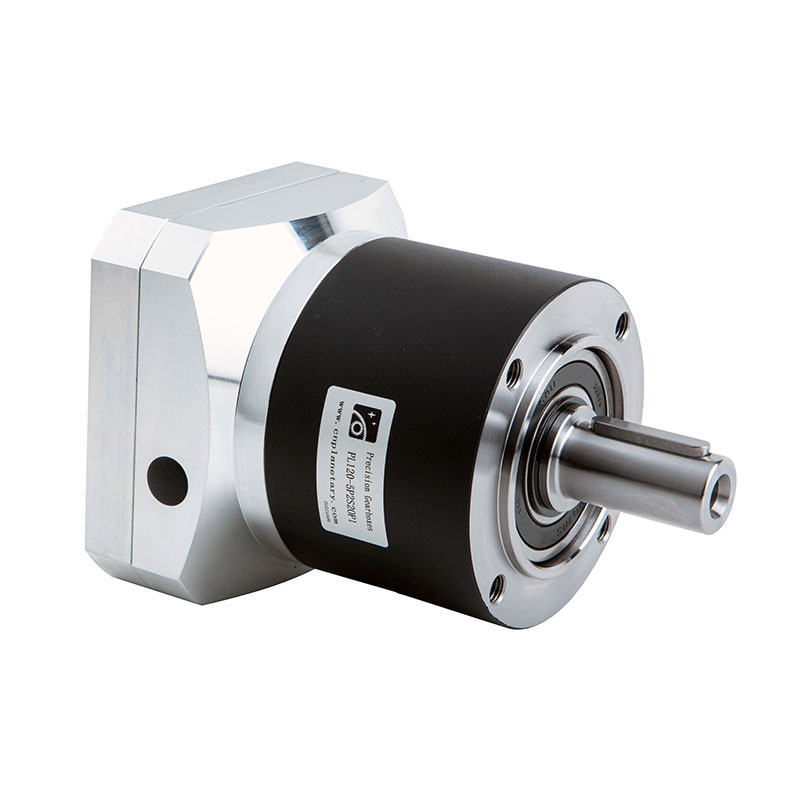
In the realm of mechanical engineering, the planetary gearbox stands as one of the most efficient and reliable components in power transmission systems. From automotive applications to industrial mach...
See Details
With the rapid development of industrial technology, mechanical equipment has become increasingly important in all walks of life and has become a key factor in promoting the improvement of productivit...
See Details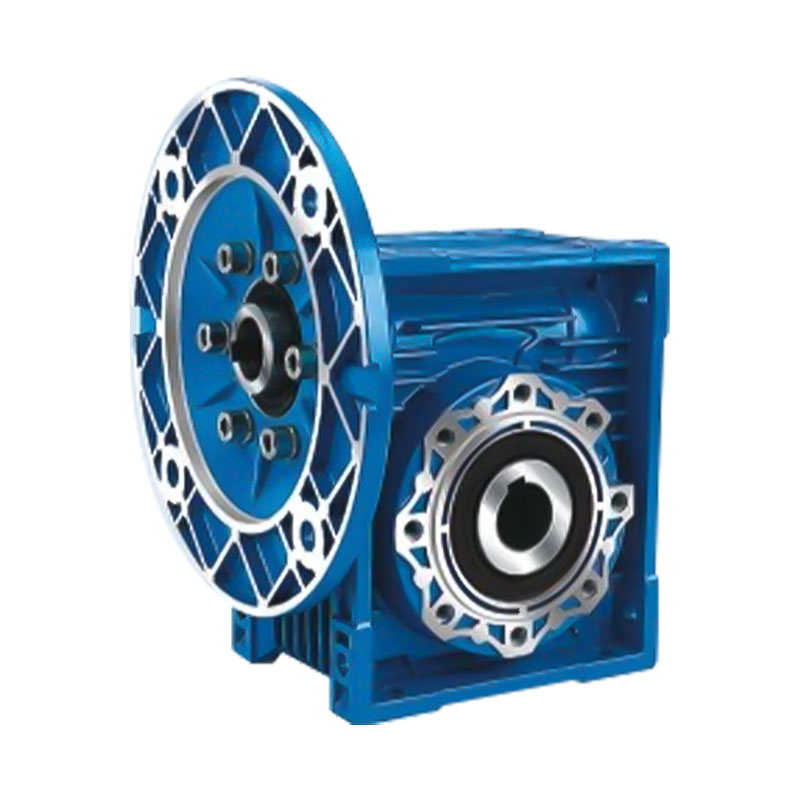
In modern industrial transmission systems, efficient, reliable and compact speed reduction devices are one of the core components that ensure the stable operation of mechanical equipment. With its uni...
See Details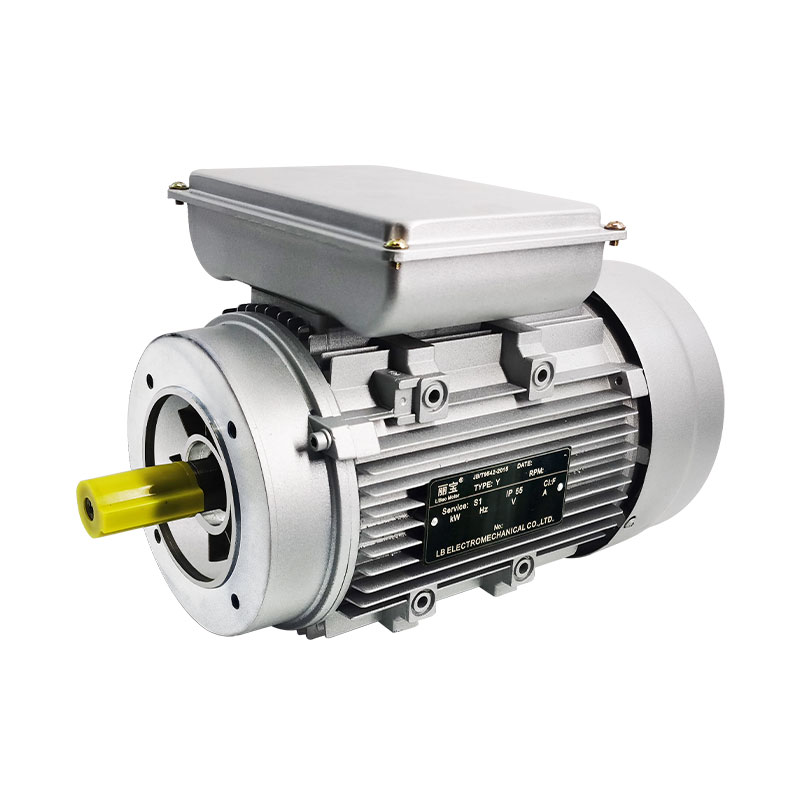
In the huge system of modern electrical equipment, single-phase AC motor is an extremely critical basic component, and its presence is everywhere in all areas of life and production. Whether it is hom...
See DetailsRequest for a call today