English
 中文简体
中文简体 Español
In the realm of mechanical engineering, the planetary gearbox stands as one of the most efficient and reliable components in power transmission systems. From automotive applications to industrial mach...
See Details
Screw jacks use two fundamental transmission types to convert rotary motion into linear lifting force: machine screw (trapezoidal screw) transmission and ball screw transmission. These two types define the mechanical efficiency, load capacity, self-locking ability, and application scope of any SWL worm gear screw jack. Understanding the difference between them is the first step in selecting the right jack for your system.
Machine screw transmission uses a trapezoidal or Acme-thread screw that moves through a bronze or cast-iron nut. The sliding contact between screw and nut generates friction, which is the key characteristic of this type.
Machine screw worm gear screw jacks are widely used in pressing machines, clamping fixtures, platform leveling systems, and industrial gate valves — anywhere that the load must remain safely held without continuous power input. For example, a 50 kN capacity machine screw jack in a die-pressing station can hold the press position indefinitely with no motor engagement.
Ball screw transmission replaces the sliding contact of a machine screw with recirculating steel balls rolling between the screw shaft and the ball nut. This rolling contact dramatically reduces friction and increases mechanical efficiency.
Ball screw worm gear screw jacks are preferred in automated production lines, CNC table positioning, solar tracking systems, and any application requiring frequent start-stop cycles with precise positioning. In a multi-jack synchronization lifting system, ball screw jacks can achieve synchronized accuracy within 0.1 mm across all jack positions simultaneously.
| Feature | Machine Screw Type | Ball Screw Type |
| Mechanical Efficiency | 25% – 50% | 85% – 95% |
| Self-Locking | Yes | No (requires brake) |
| Max Typical Speed | ~500 mm/min | ~3,000 mm/min |
| Positioning Accuracy | Moderate | High (±0.05 mm) |
| Heat Generation | Higher | Lower |
| Load Holding (no power) | Safe without brake | Requires external brake |
| Typical Load Range | 2.5 kN – 2,000 kN | 2.5 kN – 500 kN |
| Best For | Static / slow / heavy loads | Dynamic / fast / precise loads |
In an SWL worm gear screw jack, the worm shaft and worm wheel convert the input rotary motion — from a motor or handwheel — into slow, high-torque rotation of the lifting screw. The transmission type (machine screw or ball screw) determines what happens after that conversion.
With a machine screw configuration, the worm gear's inherent speed reduction (typically ratios of 6:1 to 24:1) combined with the trapezoidal thread produces a robust self-locking system. The worm gear itself may also contribute partial self-locking depending on the lead angle.
With a ball screw configuration, the worm gear provides the required torque amplification to overcome the preloaded ball nut and achieve smooth, repeatable movement. Because neither the worm gear nor the ball screw is reliably self-locking, an integrated motor brake becomes a mandatory design element.
Within each transmission type, screw jacks also differ in how the screw moves relative to the housing:
This structural choice applies to both machine screw and ball screw jacks, giving designers four possible configurations when combined with the two transmission types.
Consider the following decision factors when specifying an SWL worm gear screw jack:
No. Ball screw jacks are not self-locking. A motor brake or mechanical lock must be used to hold the load when the drive is off.
SWL stands for Safe Working Load, indicating the maximum rated load the jack is designed to lift or push safely under specified conditions.
In practice, yes. The higher friction of machine screw threads limits speed to avoid excessive heat. Ball screw types handle higher speeds efficiently due to rolling contact.
It is not recommended. Mixing types creates differences in efficiency and response that complicate synchronization control. Use the same transmission type throughout a multi-jack system.
Under high-cycle conditions, ball screw jacks typically last 3 to 5 times longer than machine screw jacks because rolling contact generates far less wear than sliding contact.
The worm gear ratio affects input speed and torque but does not determine transmission type. Both types are available across the same range of worm gear ratios (commonly 6:1 to 24:1).
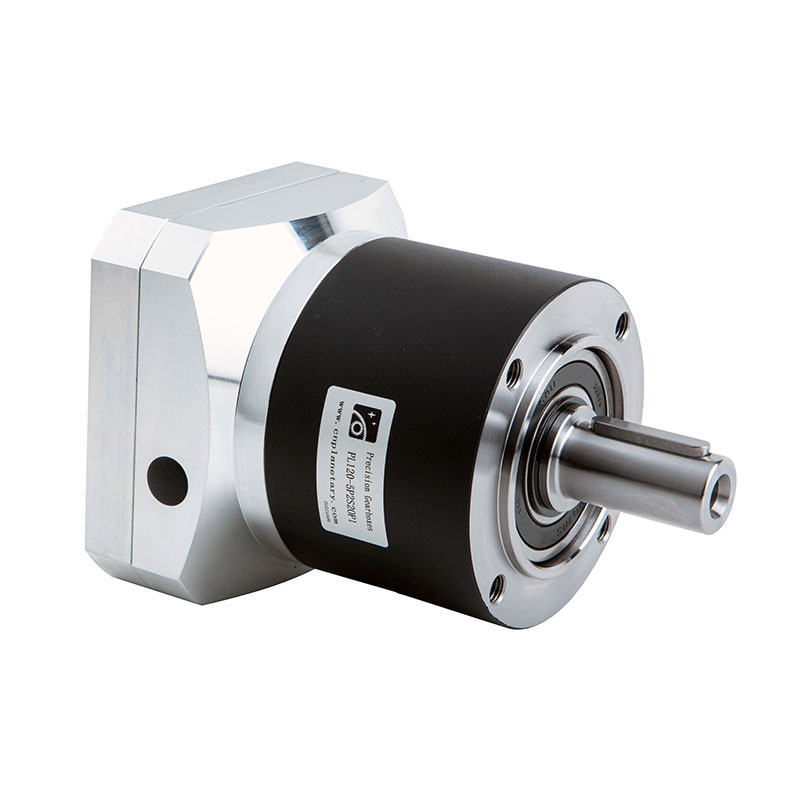
In the realm of mechanical engineering, the planetary gearbox stands as one of the most efficient and reliable components in power transmission systems. From automotive applications to industrial mach...
See Details
With the rapid development of industrial technology, mechanical equipment has become increasingly important in all walks of life and has become a key factor in promoting the improvement of productivit...
See Details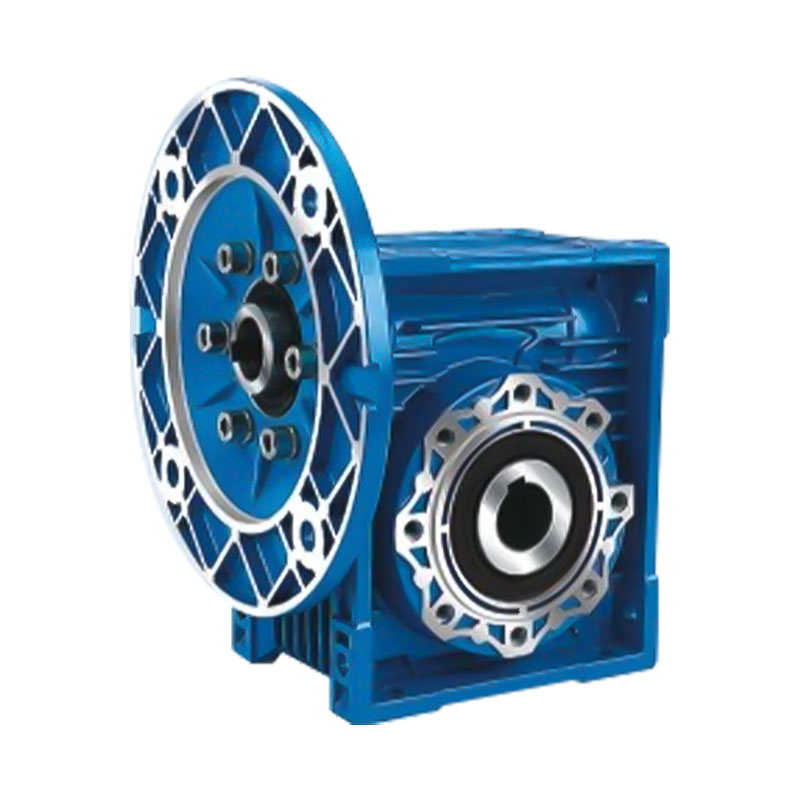
In modern industrial transmission systems, efficient, reliable and compact speed reduction devices are one of the core components that ensure the stable operation of mechanical equipment. With its uni...
See Details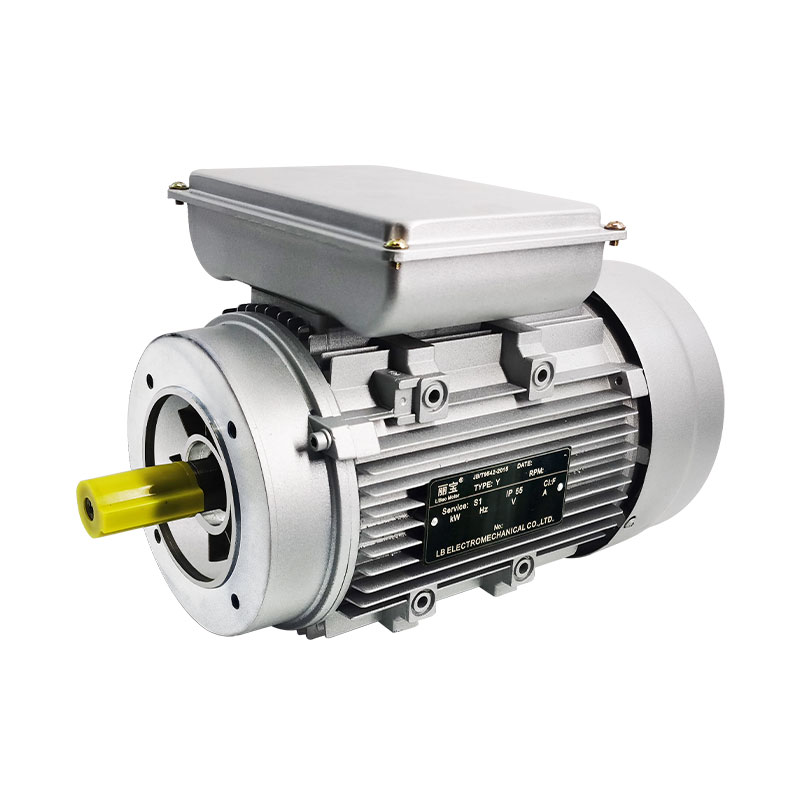
In the huge system of modern electrical equipment, single-phase AC motor is an extremely critical basic component, and its presence is everywhere in all areas of life and production. Whether it is hom...
See DetailsRequest for a call today