English
 中文简体
中文简体 Español
In the realm of mechanical engineering, the planetary gearbox stands as one of the most efficient and reliable components in power transmission systems. From automotive applications to industrial mach...
See Details
A planetary gearbox represents one of the most sophisticated gear transmission systems in modern industrial machinery. Unlike simpler gear arrangements, this system uses a unique configuration where multiple gears orbit around a central sun gear, much like planets orbiting the sun. This design principle allows for remarkable power transmission efficiency while maintaining a compact footprint that many industrial applications desperately need.
The K series helical gear motor exemplifies how contemporary engineering combines planetary gearbox technology with helical gear precision to deliver superior performance. Understanding how these systems function requires examining their core components, operational mechanics, and the advantages they offer over conventional gear arrangements.
Industrial operations ranging from conveyor systems to machine tool drives depend on reliable power transmission. Planetary gearboxes have become essential because they solve multiple engineering challenges simultaneously: they provide high torque multiplication in small spaces, they distribute loads evenly across multiple gear engagement points, and they operate with minimal vibration and noise compared to traditional alternatives.
To understand how a planetary gearbox operates, you must first recognize its primary components and their specific functions within the assembly. Each element plays a critical role in the system's overall performance and reliability.
The sun gear sits at the center of the planetary gearbox assembly. This central gear meshes directly with multiple planetary gears that orbit around it. The sun gear can serve as either the input or output element depending on the system configuration. In many industrial applications, the sun gear receives rotational input, which then drives the entire planetary gear system through carefully designed mechanical relationships.
Between three and six planetary gears typically surround the sun gear, rotating on their own shafts while simultaneously orbiting the sun gear's centerline. These gears maintain constant mesh with both the sun gear and an outer ring gear. The planetary gears distribute the load across multiple contact points, which is why planetary systems can transmit tremendous torque without excessive stress on individual gear teeth. This load distribution characteristic makes planetary gearboxes particularly valuable for heavy-duty industrial work.
The ring gear (also called the annular gear) surrounds the entire planetary gear assembly. With internal teeth facing inward, the ring gear meshes with all planetary gears simultaneously. The ring gear can function as a stationary element, as an input source, or as an output point, depending on how the gearbox is configured for specific applications. This versatility allows engineers to achieve different speed ratios from the same basic component set.
The carrier, sometimes called the spider, holds the planetary gears in their correct orbital positions while allowing them to rotate freely on their own shafts. This component maintains the precise spacing and alignment necessary for smooth operation. The carrier can rotate independently, remain stationary, or serve as the output element in various configurations.
The operational principle of a planetary gearbox differs fundamentally from conventional fixed-axis gear systems. Rather than gears rotating around stationary shafts, the planetary arrangement creates multiple simultaneous rotational movements that combine to produce the desired output characteristics.
When the sun gear receives rotational input, it drives the planetary gears through direct mesh engagement. These planetary gears then roll along the inside of the stationary ring gear, similar to the motion of planetary bodies in space. This dual engagement creates a mechanical advantage that allows the system to multiply torque while reducing output speed, or alternatively to increase speed while reducing torque depending on which component serves as input and which serves as output.
Most industrial planetary gearbox applications function as speed reducers, converting high-speed motor input into lower-speed, higher-torque output suitable for driving heavy machinery. When the sun gear serves as the input and the ring gear remains stationary, the carrier becomes the output point. The planetary gears orbit around the sun gear while rolling against the fixed ring gear, creating a mechanical system that naturally produces speed reduction with torque multiplication.
The beauty of planetary gearbox design lies in its flexibility. By selecting which component receives input and which remains stationary, engineers can achieve different transmission ratios from identical physical components. Some configurations deliver direct drive where input and output speeds match, others provide significant speed reduction, and specialized arrangements can even reverse rotational direction. This adaptability makes planetary systems valuable across diverse industrial applications.
The widespread adoption of planetary gearboxes in industrial settings stems from genuine technical advantages that directly impact operational efficiency, reliability, and equipment longevity.
The multiple engagement points in a planetary system distribute transmitted loads across several gear teeth simultaneously rather than concentrating stress on a single pair of gears. This distributed loading allows planetary gearboxes to transmit substantially more torque relative to their physical size compared to conventional gear arrangements. Industrial machinery requiring high torque output in confined spaces particularly benefits from this characteristic.
Because power distributes across multiple planetary gears, each individual gear can be smaller and lighter than would be required in a conventional system transmitting equivalent torque. This component downsizing results in planetary gearbox assemblies that occupy significantly less space than alternative transmission systems delivering similar performance specifications. Space-constrained industrial installations frequently depend on this compactness advantage.
Efficiency ratings for planetary gearbox systems typically range from 94% to 98% per stage, depending on lubricant quality, bearing conditions, and operational parameters. This exceptional efficiency means minimal energy loss to friction and heat generation. Over extended operating periods, high efficiency translates directly into reduced energy consumption and lower operational costs compared to less efficient alternatives. For facilities running machinery continuously, efficiency improvements compound into substantial cost savings.
The load distribution characteristics and the continuous engagement of multiple gear pairs create remarkably smooth power transmission with minimal vibration. This smooth operation produces lower noise levels compared to conventional gearboxes. Industrial environments benefit from the reduced noise pollution, while the lower vibration levels mean less stress on connected machinery components and extended equipment service life.
The distributed load characteristics mean individual gear teeth experience less stress during operation. This reduced stress level allows gears to maintain their precision geometry longer and resist fatigue-related degradation more effectively. Bearings and other components also experience lower stress levels, contributing to extended service intervals and longer overall equipment life. Industrial operations see improved return on investment when equipment requires less frequent maintenance and replacement.
The integration of helical gear technology with planetary gearbox design represents a significant advancement in power transmission engineering. K series helical gear motor systems demonstrate how this combination delivers performance advantages beyond what either technology provides independently.
Unlike spur gears with teeth parallel to the gear axis, helical gears feature teeth cut at angles to the rotation axis. This angular tooth arrangement creates several engagement mechanics advantages. Teeth on helical gears don't make contact simultaneously across their entire width; instead, contact begins at one edge and progressively moves across the tooth face. This gradual engagement produces smoother torque transmission and reduced impact forces compared to the sudden engagement of spur gears.
The helical tooth geometry ensures that multiple teeth from each gear pair maintain simultaneous engagement throughout rotation cycles. This extended contact relationship distributes loads across a larger tooth surface area compared to spur gear systems. The result is lower contact stress on individual gear teeth, enabling thinner, lighter gear designs while maintaining superior load capacity.
The gradual engagement pattern of helical gears inherently produces less noise and vibration than spur gear arrangements. When helical gear technology combines with planetary gearbox design, these noise-reduction benefits compound. Industrial operations benefit from quieter machinery operation, which improves working environments and often simplifies noise-control engineering requirements.
Helical gears demand tighter manufacturing tolerances than spur gears, which drives manufacturers to maintain superior quality standards throughout production. Higher precision gears mesh more effectively and maintain consistent performance characteristics throughout extended operating periods. This precision advantage contributes to improved system reliability and more predictable performance across diverse operating conditions.
Industrial applications employ several standard planetary gearbox configurations, each selected based on specific operational requirements and desired performance characteristics. Understanding these configurations helps explain why planetary systems suit such diverse industrial applications.
The basic planetary configuration consists of a single sun gear, multiple planetary gears, and one ring gear. This single-stage arrangement provides moderate speed reduction ratios typically ranging from 3:1 to 10:1. Many compact industrial applications utilize single-stage planetary systems where space limitations and moderate torque requirements align with this configuration's characteristics.
More demanding applications often employ compound planetary gearboxes featuring multiple planetary stages operating in series. This arrangement uses a sun gear from one stage connected to the ring gear of the next stage, creating cascading speed reduction. Compound configurations can achieve speed reduction ratios exceeding 100:1 while maintaining the compact footprint and efficiency advantages that make planetary systems attractive.
Some industrial applications combine parallel shaft helical gearbox technology with planetary stages to achieve specific performance objectives. This hybrid approach leverages the parallel shaft system's strengths for certain applications while incorporating planetary stages where their advantages justify inclusion. The flexible nature of gearbox design permits these creative combinations.
Planetary gearbox technology serves numerous industrial sectors where reliable power transmission, compact design, and high efficiency directly impact operational success. Understanding where these systems excel demonstrates their genuine value in modern manufacturing and material handling.
Conveyor systems throughout manufacturing facilities and distribution centers rely on reliable speed reduction and torque multiplication. Planetary gearboxes excel in this application because they provide the necessary torque for moving heavy loads while operating efficiently around the clock. The compact design permits installation in confined spaces where conventional gearboxes would not fit, making system design more flexible.
Precision machine tools require smooth, reliable power transmission with minimal vibration that could affect machining accuracy. Planetary gearbox systems deliver this smooth operation while providing the torque multiplication necessary for cutting operations. The extended service life of planetary components reduces unplanned maintenance that disrupts production schedules.
High-speed packaging machinery demands reliable, efficient transmission systems that can run continuously without excessive heat generation or maintenance interruptions. Planetary gearboxes provide the efficiency and reliability these applications require. The quiet operation also suits facilities where noise control contributes to worker safety and comfort.
Wind turbine and hydroelectric power generation systems increasingly employ planetary gearbox technology because of its exceptional efficiency and reliability. Power generation applications demand equipment that operates continuously with minimal maintenance. Planetary systems' extended service life and high efficiency directly improve the economic performance of renewable energy installations.
Robotic systems and automated machinery require compact, efficient, and reliable transmission systems for precise positioning and load handling. Planetary gearboxes provide the compactness necessary for robot joint design while delivering the reliability and smooth operation essential for accurate automated processes.
Understanding planetary gearbox efficiency requires examining how different design factors and operating conditions affect overall system performance. This analysis helps engineers select appropriate systems for specific applications and predict long-term operational costs.
Multiple variables influence planetary gearbox efficiency levels. Lubricant selection and viscosity significantly impact friction losses within the system. Bearing quality and preload affect rotational friction. Manufacturing tolerances determine how precisely components mesh, which directly influences sliding friction at gear interfaces. Operating temperature affects lubricant viscosity and component clearances. Environmental factors including contamination and humidity influence long-term performance.
| Performance Metric | Planetary Gearbox | Conventional Gearbox |
|---|---|---|
| Efficiency Per Stage | 94-98% | 92-96% |
| Torque Density | Very High | Moderate |
| Physical Compactness | Excellent | Good |
| Noise Level (dB) | 75-80 | 80-85 |
| Service Life (Hours) | 20000+ | 15000+ |
In planetary gearbox systems, energy losses occur primarily through three mechanisms: gear mesh friction, bearing friction, and churning losses in the lubricant. Gear mesh friction accounts for approximately 70-80% of total losses, bearing friction contributes 15-25%, and churning losses represent 5-10% under typical operating conditions. By optimizing each loss mechanism, manufacturers continue improving planetary system efficiency beyond conventional limits.
Efficient operation requires effective heat dissipation to maintain optimal lubricant viscosity and component clearances. Well-designed planetary gearbox housings incorporate cooling features that transfer heat away from internal components. Some industrial applications add auxiliary cooling systems when continuous high-speed or high-torque operation would otherwise elevate internal temperatures excessively. Proper thermal management extends bearing life and maintains consistent efficiency throughout extended operating periods.
Selecting an appropriate planetary gearbox system requires careful analysis of application requirements and operating conditions. Engineers must consider multiple factors to ensure the chosen system delivers reliable performance throughout its intended service life.
Applications define specific torque and speed requirements that the transmission system must deliver. Understanding both input conditions and desired output characteristics guides selection of appropriate gear ratios. A system selected too conservatively wastes investment in oversized components, while an undersized system risks failure and operational disruption. Accurate requirement definition ensures cost-effective, reliable system selection.
Industrial equipment operates under vastly different duty cycles. Intermittent-use applications can employ lighter-duty systems than continuous-operation machinery. Understanding whether equipment runs occasionally, several shifts daily, or around the clock helps determine appropriate component quality and expected service life. Continuous-operation applications demand premium component selection to ensure sufficient durability.
Industrial facilities often present severe space limitations that preclude conventional gearbox installation. Planetary systems' inherent compactness frequently permits installation where alternatives would not fit. Evaluating available space dimensions helps determine whether standard configurations work or whether custom arrangements become necessary.
Operating environment significantly affects component selection and system reliability. High-temperature environments require special lubricants and bearing materials. Humid or corrosive atmospheres demand robust sealing and protective coatings. High-altitude installations may require specially formulated lubricants. Dusty environments necessitate effective filtration systems. Understanding environmental factors guides appropriate material and component selection.
Some installations permit straightforward maintenance access, while others present significant challenges. Gearbox system selection should account for facility capabilities to perform required maintenance operations. Systems designed for easy servicing reduce unplanned downtime when maintenance becomes necessary.
Modern planetary gearbox design incorporates numerous refinements that enhance performance, reliability, and operational efficiency compared to earlier designs. Understanding these design considerations explains why contemporary systems deliver superior results.
High-performance planetary gearbox systems employ specialized gear materials engineered for exceptional strength, wear resistance, and fatigue durability. Surface hardening treatments enhance wear resistance without making gears brittle. Material selection balances cost against performance requirements, with premium applications justifying higher-cost materials that deliver extended service life.
Proper bearing selection and support architecture critically influence system performance and longevity. High-precision rolling element bearings maintain tight tolerances that ensure precise gear mesh geometry. Bearing preload optimization reduces internal clearances while preventing excessive friction. Advanced bearing materials and designs continue improving planetary system reliability and efficiency.
Effective sealing prevents contamination ingress while minimizing lubricant leakage. Modern sealing designs employ multiple sealing surfaces with progressively staged configurations. Some high-performance systems incorporate labyrinth seals that work together with spring-loaded contact seals, providing superior protection against contamination while maintaining acceptable friction levels.
Adequate lubrication delivery to all internal components significantly impacts efficiency and component life. Some systems employ splash lubrication relying on gear rotation to distribute lubricant, while others use directed spray or circulation systems for enhanced cooling and filtration. System selection depends on operating speeds, temperatures, and duty cycle requirements.
Numerous transmission system options exist for industrial applications. Understanding how planetary systems compare with alternatives helps engineers select the most appropriate technology for specific requirements.
Worm gearboxes offer exceptional speed reduction in compact packages, but typically deliver lower efficiency (70-85%) due to sliding friction at the worm-wheel interface. Planetary systems provide superior efficiency with more compact designs per unit of torque. However, worm systems offer inherent lock-up characteristics in certain configurations that planetary systems cannot match. Application requirements determine which technology better suits specific needs.
Bevel gearboxes excel at transmitting power between shafts operating at angles, while planetary systems work with parallel or coaxial shafts. Bevel systems generally deliver lower efficiency and experience higher vibration levels. For applications permitting parallel shaft arrangements, planetary systems typically offer superior performance and reliability.
Belt and chain drives excel in applications requiring flexible shaft positioning or power distribution to multiple locations. However, these systems typically deliver lower efficiency than gearbox arrangements and require regular maintenance for belt or chain tension adjustment. Enclosed planetary gearbox systems provide superior reliability with less frequent maintenance requirements.
Proper maintenance practices directly determine whether planetary gearbox systems achieve their designed service life and maintain consistent performance throughout operation. Understanding maintenance requirements and common issues helps facility managers optimize system reliability.
Regular preventive maintenance keeps planetary gearbox systems operating at peak efficiency and identifies potential issues before they cause operational disruption. Maintenance intervals vary based on duty cycle, operating environment, and manufacturer recommendations. Typical maintenance activities include lubricant level verification, filter changes, bearing condition assessment, and seal integrity inspection. Following manufacturer-recommended maintenance schedules significantly extends equipment life while reducing overall operational costs.
Maintaining proper lubricant quality represents one of the most critical maintenance activities. Lubricant viscosity must remain within specified ranges across the operating temperature spectrum. Contamination must be minimized through effective filtration and regular lubricant replacement. Many facility managers track lubricant condition through periodic analysis, detecting developing problems before they cause component damage.
Elevated operating temperatures frequently indicate insufficient lubrication, worn bearings, or excessive internal friction. Addressing temperature issues promptly prevents cascading component damage. Unusual noise or vibration often signals bearing wear, gear tooth damage, or misalignment. Leakage typically points to seal degradation or excessive internal pressure. Identifying the root cause of operational anomalies and addressing issues promptly prevents minor problems from escalating into catastrophic failures.
Planetary gearbox systems regularly achieve service lives exceeding 20,000 operating hours when properly maintained. Some installations extend service life to 30,000+ hours through meticulous maintenance and conservative loading. Facility managers who prioritize preventive maintenance consistently report lower total cost of ownership compared to those employing reactive maintenance approaches.
The speed reduction ratio depends on which component (sun gear, ring gear, or carrier) serves as input, which remains stationary, and which provides output. The specific number of teeth on each gear determines the mathematical relationship between input and output speeds. Different configurations using identical physical components can produce different speed ratios, demonstrating the flexibility of planetary design.
Most planetary gearbox configurations can operate in reverse by reversing input rotation direction. Performance characteristics including efficiency and load capacity remain essentially unchanged when operating in reverse. However, some specialized configurations may have directional preferences. Manufacturer documentation should guide whether specific systems have operational restrictions.
Temperature changes affect lubricant viscosity, which directly influences efficiency and component wear rates. Elevated temperatures reduce lubricant film strength, increasing component wear. Excessive cold temperatures increase lubricant viscosity, elevating friction and reducing efficiency. Operating within the manufacturer's specified temperature range optimizes performance. Some applications require auxiliary cooling systems to maintain proper operating temperatures.
Maintenance intervals vary significantly based on duty cycle, operating environment, and specific system design. Many systems require inspection and lubricant level verification every 500-1000 operating hours, with complete lubricant changes at 2000-5000 hour intervals. Continuous-duty high-temperature applications may require more frequent maintenance. Always follow manufacturer recommendations specific to each installation.
Helical gears provide superior load distribution through extended contact patterns compared to spur gears. This distributed loading enables thinner, lighter gears while maintaining higher load capacity. Helical gears also produce lower noise levels and vibration due to gradual tooth engagement. These improvements translate into longer service life and smoother machinery operation.
Contemporary planetary gearbox systems typically deliver 94-98% efficiency per stage, meaning 94-98% of input power transfers to the output while 2-6% dissipates as heat through friction. Single-stage systems achieve the high end of this range, while multi-stage systems experience cumulative losses reducing overall efficiency slightly. Proper maintenance and optimal operating conditions help achieve maximum efficiency from installed systems.
Planetary systems' distributed load characteristics provide excellent shock load capacity compared to conventional gearboxes. The multiple gear engagement points and load distribution across planetary gears allow handling of temporary torque excursions beyond rated capacity without immediate damage. However, continuous operation beyond rated limits eventually causes component degradation. Applications with significant shock load potential should be analyzed carefully during system selection.
Single-stage systems provide good efficiency and moderate speed reduction in compact packages. Multi-stage systems deliver greater speed reduction ratios in slightly larger packages with slightly lower overall efficiency due to cumulative losses. Application requirements for speed reduction ratio, space availability, and efficiency targets guide the selection between single and multiple stages.
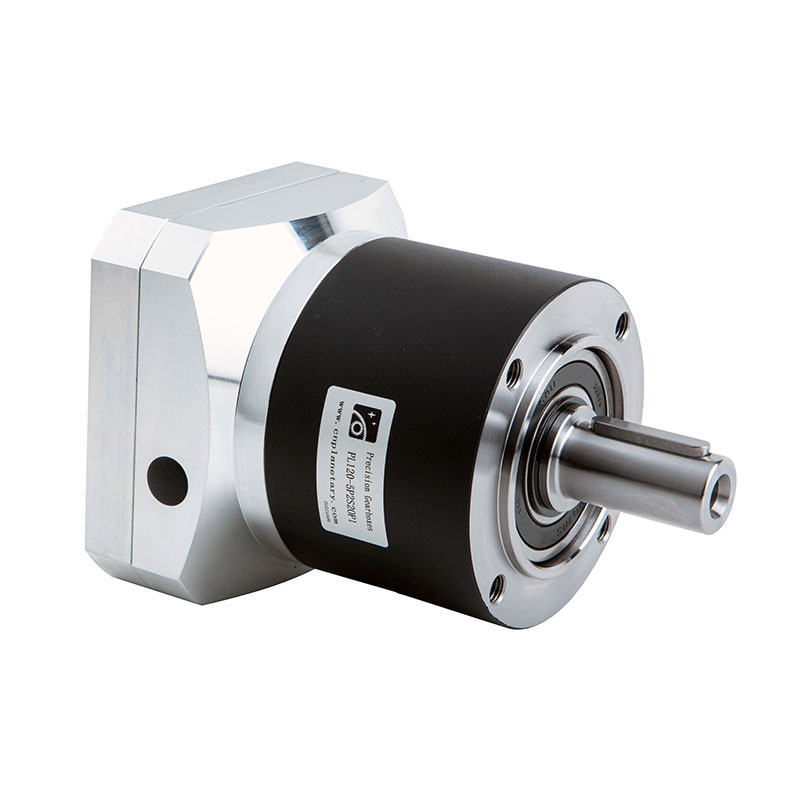
In the realm of mechanical engineering, the planetary gearbox stands as one of the most efficient and reliable components in power transmission systems. From automotive applications to industrial mach...
See Details
With the rapid development of industrial technology, mechanical equipment has become increasingly important in all walks of life and has become a key factor in promoting the improvement of productivit...
See Details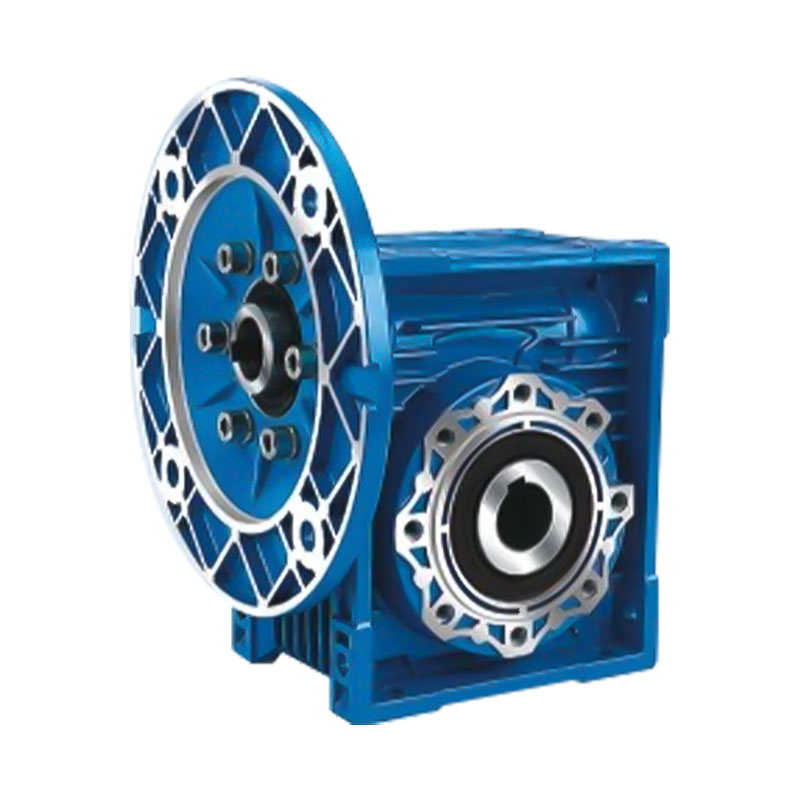
In modern industrial transmission systems, efficient, reliable and compact speed reduction devices are one of the core components that ensure the stable operation of mechanical equipment. With its uni...
See Details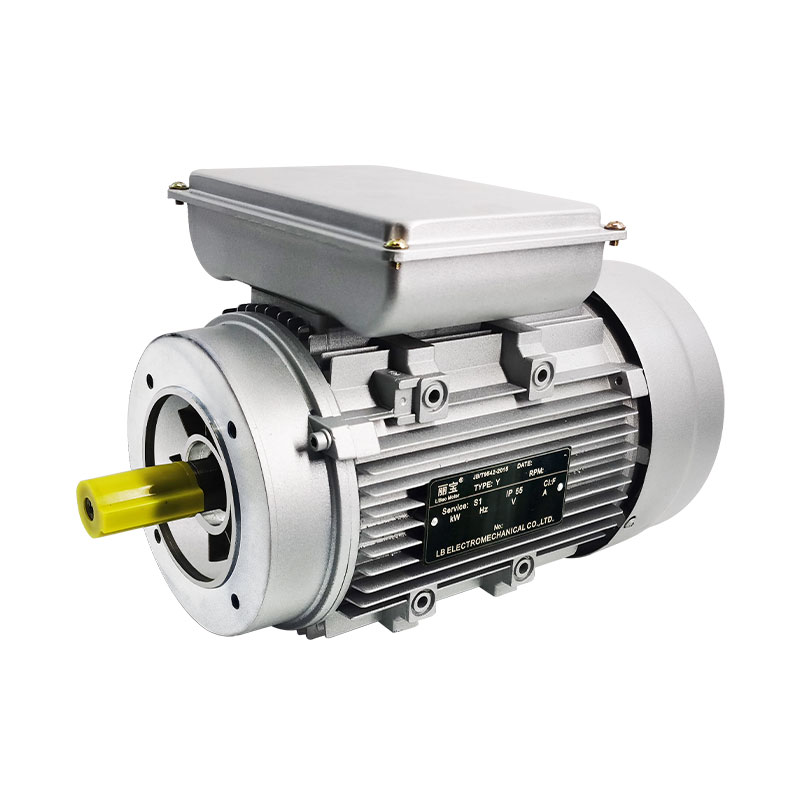
In the huge system of modern electrical equipment, single-phase AC motor is an extremely critical basic component, and its presence is everywhere in all areas of life and production. Whether it is hom...
See DetailsRequest for a call today