English
 中文简体
中文简体 Español
In the realm of mechanical engineering, the planetary gearbox stands as one of the most efficient and reliable components in power transmission systems. From automotive applications to industrial mach...
See Details
The S series helical gear motor is widely used in industrial applications for its reliable torque transmission, compact design, and versatile mounting options. Understanding the motor control options compatible with this type of gear motor is critical for ensuring optimal performance, energy efficiency, and operational flexibility.
An S series helical gear motor combines a high-efficiency helical gearbox with an electric motor in a single compact unit. Its helical gear design allows for smooth torque transmission, reduced noise, and higher load capacity compared to other types of gear motors. Because of these characteristics, the S series helical gear motor is commonly used in conveyors, packaging machines, material handling systems, and various industrial automation setups.
Key characteristics of the S series helical gear motor include:
With these characteristics in mind, selecting the right motor control strategy becomes crucial for maximizing the motor’s potential.
Motor control options for the S series helical gear motor can be broadly categorized into three main types: direct-on-line (DOL) control, reduced voltage starting methods, and variable speed drives. Each option offers specific advantages and is suitable for particular applications, depending on factors such as load characteristics, operational speed requirements, and energy efficiency goals.
Direct-on-line control is the simplest method of operating an S series helical gear motor. In this setup, the motor is directly connected to the power supply, allowing it to start immediately at full voltage.
Advantages of DOL control include:
However, DOL control can result in high inrush currents during startup, which may impact electrical infrastructure and mechanical components. Therefore, it is primarily suitable for small to medium-sized S series helical gear motors operating under moderate load conditions.
For larger S series helical gear motors or systems where limiting inrush current is important, reduced voltage starting methods provide a controlled approach. Common reduced voltage options include star-delta starters, autotransformer starters, and soft starters.
Star-delta starters:
Autotransformer starters:
Soft starters:
These reduced voltage methods are especially important in industrial setups where sudden torque spikes could damage machinery or disrupt production lines.
Variable speed drives, also known as variable frequency drives (VFDs), provide the most advanced level of control for an S series helical gear motor. VSDs regulate motor speed and torque by adjusting the frequency and voltage supplied to the motor.
Key benefits of VSD control include:
VSDs are particularly advantageous in processes with variable load conditions, such as conveyors, mixers, and production lines, where energy efficiency and operational flexibility are priorities.
When choosing a control strategy for an S series helical gear motor, several factors must be considered:
A structured assessment of these factors ensures that the selected control method aligns with operational goals while preserving the S series helical gear motor’s performance and longevity.
The selection of motor control options often depends on the specific industry and application. Some common examples include:
| Application | Typical S series helical gear motor control | Key considerations |
|---|---|---|
| Conveyors | VSD | Precise speed control and energy efficiency |
| Packaging machinery | Soft starter | Smooth start/stop to protect delicate materials |
| Material handling systems | Star-delta or autotransformer | Manage high starting torque and inrush current |
| Mixers and agitators | VSD | Adjustable speed for process optimization |
| Automated assembly lines | VSD | Integration with PLCs and sensors for synchronized operations |
This table highlights that while the S series helical gear motor is versatile, the optimal control approach is closely tied to the operational requirements of each industry application.
To maximize performance and longevity of an S series helical gear motor, several best practices should be followed during control system integration:
Implementing these practices helps maintain operational stability, reduces downtime, and ensures safe operation of the S series helical gear motor.
The S series helical gear motor offers versatility, reliability, and efficiency in industrial applications. Selecting the appropriate motor control option—whether direct-on-line, reduced voltage starting, or variable speed drive—is essential to optimize performance, extend motor lifespan, and meet process requirements.
Understanding the advantages, limitations, and application-specific considerations of each control method allows engineers, buyers, and maintenance personnel to make informed decisions. By integrating the S series helical gear motor with the proper control system, industries can achieve smooth operation, energy efficiency, and reliable performance across diverse automation and machinery setups.
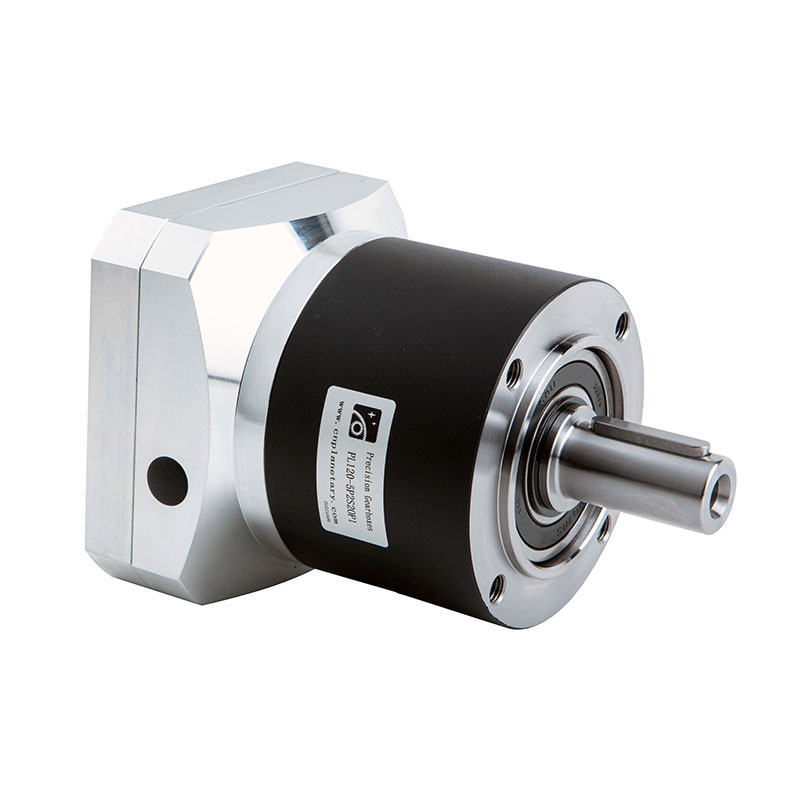
In the realm of mechanical engineering, the planetary gearbox stands as one of the most efficient and reliable components in power transmission systems. From automotive applications to industrial mach...
See Details
With the rapid development of industrial technology, mechanical equipment has become increasingly important in all walks of life and has become a key factor in promoting the improvement of productivit...
See Details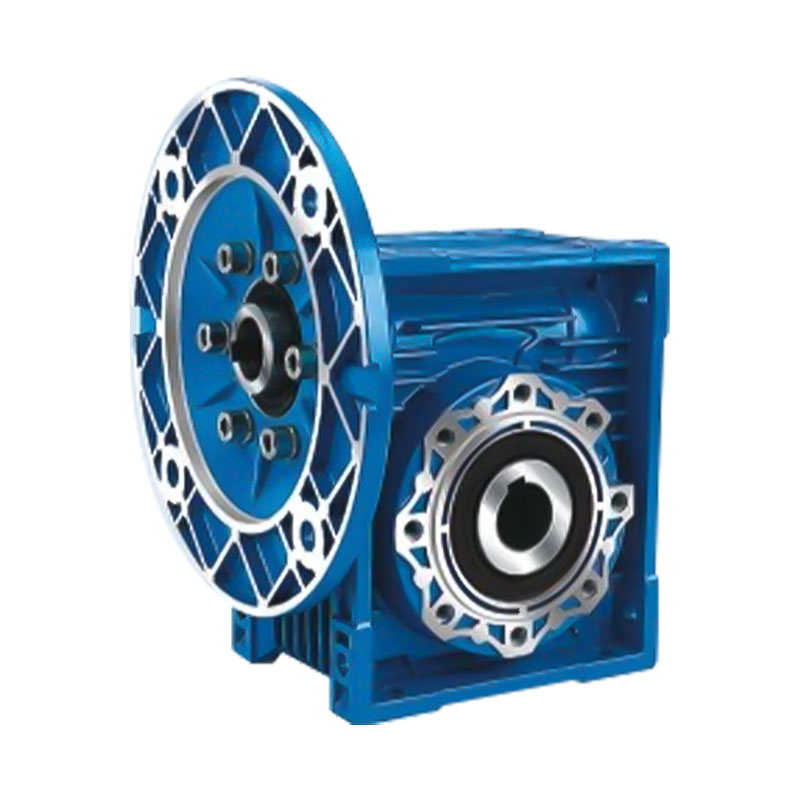
In modern industrial transmission systems, efficient, reliable and compact speed reduction devices are one of the core components that ensure the stable operation of mechanical equipment. With its uni...
See Details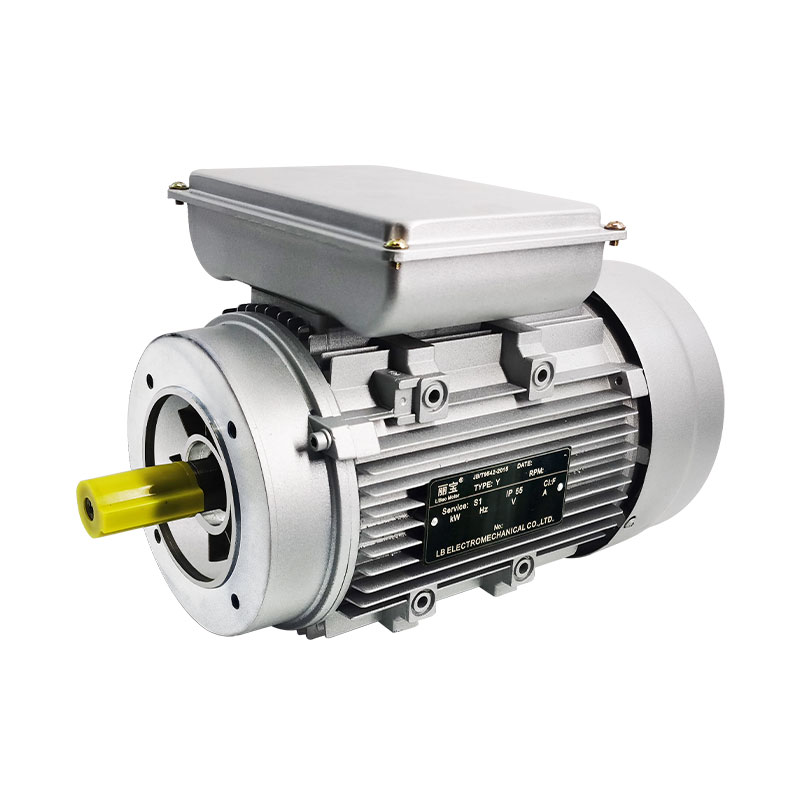
In the huge system of modern electrical equipment, single-phase AC motor is an extremely critical basic component, and its presence is everywhere in all areas of life and production. Whether it is hom...
See DetailsRequest for a call today