English
 中文简体
中文简体 Español
In the realm of mechanical engineering, the planetary gearbox stands as one of the most efficient and reliable components in power transmission systems. From automotive applications to industrial mach...
See Details
The WP worm gear reducer is a widely used mechanical device designed to reduce speed and increase torque in various industrial applications. While the primary purpose of a WP worm gear reducer is to transmit power efficiently, noise during operation can be a significant concern for buyers and engineers alike.
A WP worm gear reducer consists of a worm (screw) and a worm wheel (gear), arranged in a perpendicular configuration. This design allows high torque transmission while maintaining a compact form factor. The reducer is commonly used in conveyor systems, packaging machinery, and material handling equipment, where speed reduction and torque amplification are required.
Unlike other types of gear reducers, the WP worm gear reducer features sliding contact between the worm and worm wheel teeth. This sliding action is efficient for torque conversion but can inherently produce frictional noise during operation. Noise levels may vary depending on gear design, lubrication, and load conditions.
The tooth profile and geometry of a WP worm gear reducer play a crucial role in operational noise. Properly designed teeth ensure smooth meshing and reduce impact noise. Conversely, improperly aligned or worn teeth may generate vibrations and higher sound levels. Factors to consider include:
Adequate and proper lubrication is critical in controlling noise for a WP worm gear reducer. Lubricants reduce friction, dissipate heat, and cushion contact between the worm and gear. Key considerations include:
Noise levels in a WP worm gear reducer often correlate with operational load. Overloading the reducer can cause excessive pressure on the teeth, resulting in increased vibration and noise. Consistent load monitoring ensures that the reducer operates within its rated capacity, reducing unnecessary stress and sound.
Proper installation is essential for quiet operation. Misalignment between the input and output shafts can introduce vibrations that propagate as noise. Recommendations include:
Noise in a WP worm gear reducer can have several practical implications. Understanding these effects helps in evaluating the severity of the issue:
Choosing a WP worm gear reducer with high-quality materials, precise manufacturing, and appropriate size for the application is the first step in controlling noise. Industrial buyers often look for:
Using the right lubrication strategy can significantly reduce noise:
Periodic maintenance ensures that a WP worm gear reducer continues to operate quietly:
Sometimes, noise reduction requires addressing the surrounding environment:
Buyers evaluating a WP worm gear reducer often focus on these questions:
Addressing these concerns requires both technical knowledge and practical experience with the specific reducer model in the intended application.
While all WP worm gear reducers generate some noise due to sliding contact, certain design features can make them quieter than others. For instance, reducers with bronze worm wheels tend to have smoother engagement with steel worms, reducing operational noise. Similarly, precision-machined gears reduce vibration and ensure consistent meshing, minimizing sound generation.
| Feature | Effect on noise |
|---|---|
| Tooth precision | Higher precision → lower noise |
| Material combination | Steel-bronze pairings → quieter operation |
| Lubrication quality | Proper oil → reduced friction noise |
| Mounting | Rigid and aligned → minimized vibration |
This table highlights the primary factors that buyers and engineers can consider when evaluating the expected noise performance of a WP worm gear reducer.
Noise during operation is an important consideration for any WP worm gear reducer. Factors such as gear design, lubrication, operating load, and installation quality directly influence the sound level produced. Proper selection, maintenance, and environmental adjustments can significantly reduce noise while maintaining performance and reliability.
For industrial buyers, understanding the sources and solutions for noise in a WP worm gear reducer ensures both operational efficiency and a safer, more comfortable work environment. By following recommended maintenance practices and selecting high-quality reducers, the noise impact can be effectively managed, resulting in longer service life and improved operational satisfaction.
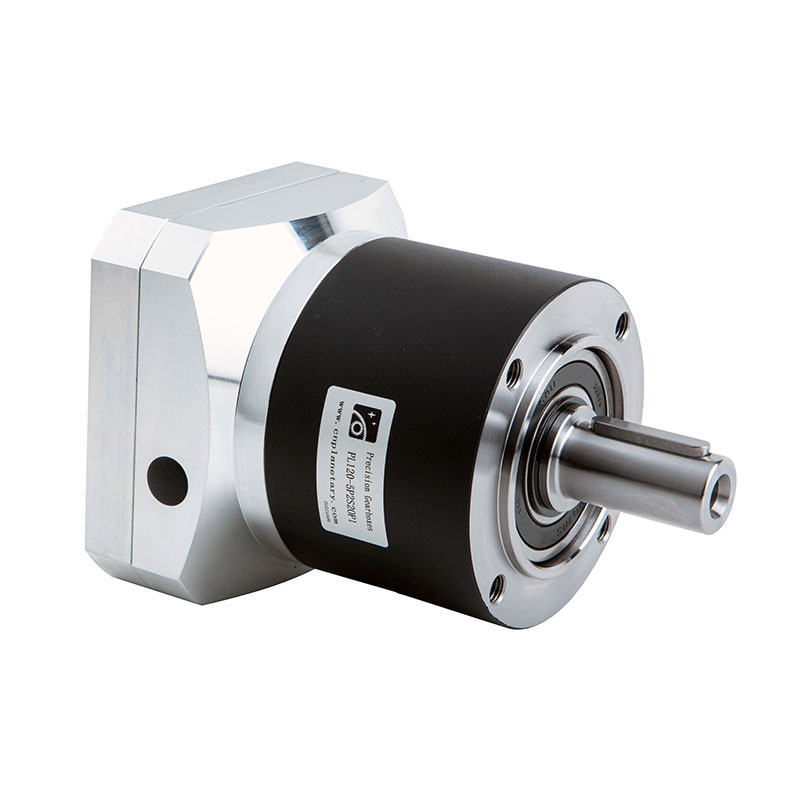
In the realm of mechanical engineering, the planetary gearbox stands as one of the most efficient and reliable components in power transmission systems. From automotive applications to industrial mach...
See Details
With the rapid development of industrial technology, mechanical equipment has become increasingly important in all walks of life and has become a key factor in promoting the improvement of productivit...
See Details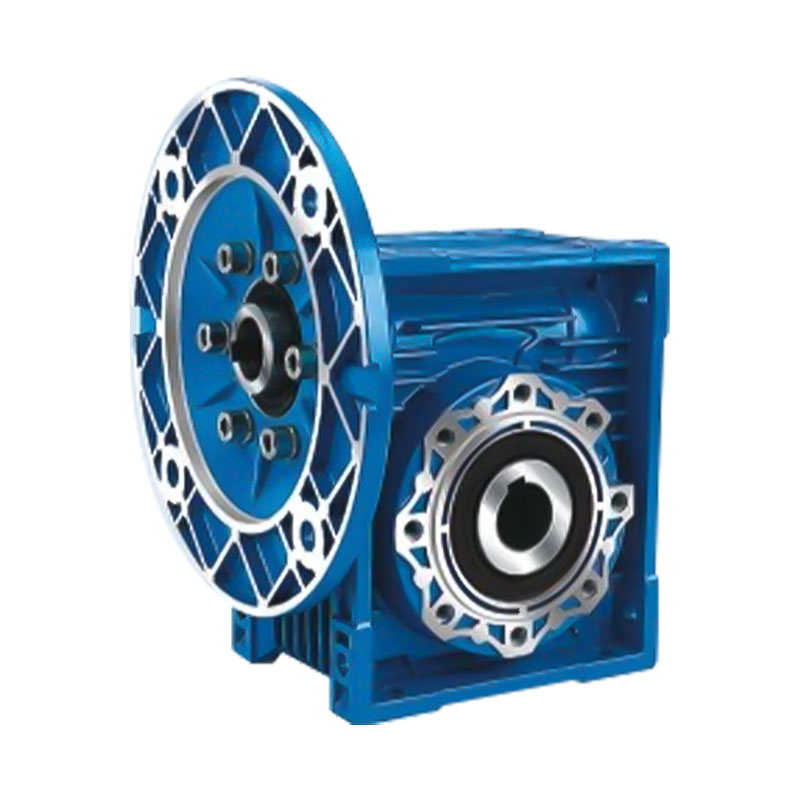
In modern industrial transmission systems, efficient, reliable and compact speed reduction devices are one of the core components that ensure the stable operation of mechanical equipment. With its uni...
See Details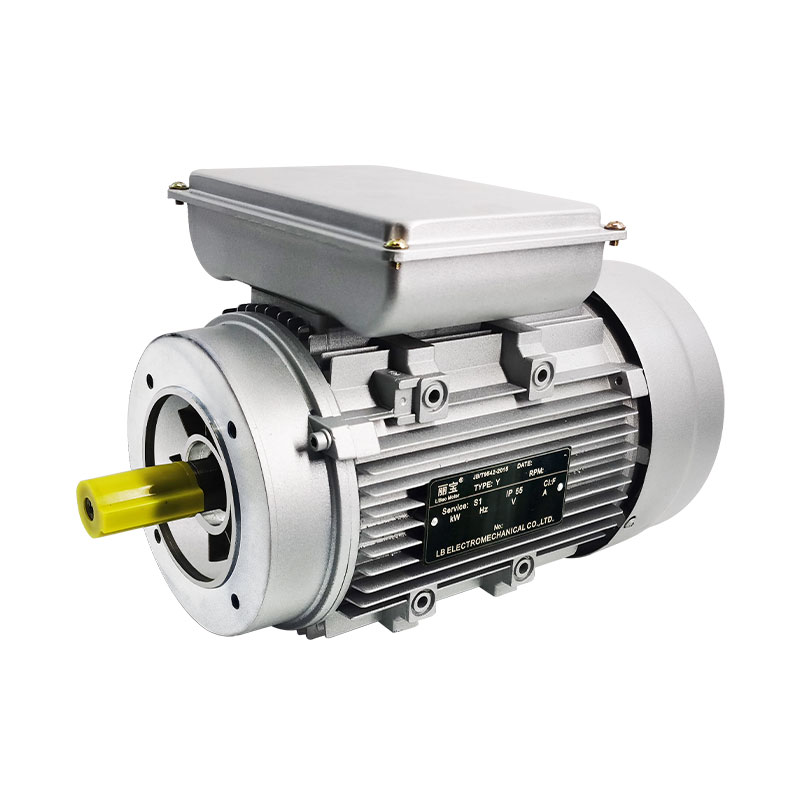
In the huge system of modern electrical equipment, single-phase AC motor is an extremely critical basic component, and its presence is everywhere in all areas of life and production. Whether it is hom...
See DetailsRequest for a call today