English
 中文简体
中文简体 Español
In the realm of mechanical engineering, the planetary gearbox stands as one of the most efficient and reliable components in power transmission systems. From automotive applications to industrial mach...
See Details
Helical gear motors are fundamental elements in modern industrial automation, material handling systems, robotics, and a broad range of mechanical power transmission applications. Their ability to deliver high torque at controlled speeds with compact form factors makes them indispensable in engineered systems where precision, durability, and efficiency are required. Among the family of geared drive solutions, the F series helical gear motor has become a reference architecture for many engineers due to its balanced performance, adaptability, and modular design approach.
Despite their widespread use, helical gear motors are subject to various failure modes that can compromise system uptime, efficiency, and lifecycle cost.
Helical gear motors combine the functions of gearing and driving into a single integrated unit. The helical gearing geometry offers angled teeth that distribute load over multiple contact points, reducing noise, improving load capacity, and enhancing overall torque transmission efficiency compared to simpler gear trains.
Common industrial sectors where helical gear motors are critical include:
In such environments, reliability and predictable operational life are essential. Unexpected failures not only halt production but trigger cascading costs in downtime, repairs, and quality losses. Therefore, understanding failure modes at a granular, system-oriented level is crucial for engineers and procurement professionals making technical decisions.
Systems that include helical gear motors are subject to a combination of mechanical, thermal, lubrication, and operational stressors. These stressors often interact, and isolating failure from root cause requires a holistic understanding of system dynamics rather than treating symptoms in isolation.
The core technical challenges include:
Failure in any of these areas can lead to accelerated wear, cracking, gear tooth breakage, bearing failure, excessive vibration, and ultimately complete system downtime.
Before presenting mitigation strategies, it is essential to understand the most common failure modes encountered in helical gear motors and their root causes.
Mechanism: Repeated contact stresses between gear teeth surfaces lead to material fatigue and micro-pitting.
Root Causes:
System Impact:
Mechanism: Bearing elements deteriorate due to excessive load, poor lubrication, contamination, or improper installation.
Root Causes:
System Impact:
Mechanism: Breakdown of lubricant viscosity and film strength due to heat, oxidation, or particulate contamination.
Root Causes:
System Impact:
Mechanism: Persistent high operating loads generate heat faster than it can be dissipated.
Root Causes:
System Impact:
Mechanism: Angular or parallel misalignment between motor shaft and driven load introduces bending stresses.
Root Causes:
System Impact:
Given the failure modes outlined, effective mitigation requires a systems-level approach that spans design, installation, operation, and maintenance phases.
A common mistake in specifying helical gear motors is assuming rated torque equals operating torque. Instead, engineers should perform:
Best Practice: Apply safety factors based on actual usage patterns rather than nominal ratings alone.
System architecture should include provisions for:
Design Consideration: Angular misalignment of even a few tenths of a degree can multiply bearing stresses significantly.
Modern helical gear systems require appropriate lubricant viscosity, additive packages, and sealing to keep contaminants out and maintain film integrity.
Key Technical Criteria:
In high-duty cycles, heat removal is essential. Engineering options include:
Thermal Design Goal: Keep operating temperatures within lubricant and material design envelopes.
Proper installation prevents many downstream issues.
| Installation Focus | Key Activities |
|---|---|
| Mechanical alignment | Laser shaft alignment, dial indicator checks |
| Foundation rigidity | Torque anchor bolts, minimize resonance |
| Coupling selection | Flexible vs rigid based on load dynamics |
| Initial lubrication fill | Verify correct volume and type |
Real-time monitoring of:
Benefit: Early detection of deviations from baseline allows corrective action before failures.
Integrated sensors and data analytics can help forecast:
Techniques Used:
Helical gear motors do not operate in isolation; they are part of larger mechanical and control systems. Here we examine three representative scenarios and how failure modes manifest within them.
System Context: Continuous motion under variable loads, often with frequent starts and stops.
Primary Stressors:
Failure Risks:
System-Level Solutions:
System Context: Precision motion with integrated sensors and rapid cycle times.
Primary Stressors:
Failure Risks:
System-Level Solutions:
System Context: Intermittent high loads, frequent speed changes, multiple gear trains.
Primary Stressors:
Failure Risks:
System-Level Solutions:
Mitigating failure modes has measurable impacts on key system performance indicators. The table below summarizes how engineering interventions influence critical outcomes.
| Technical Solution | Reliability | Efficiency | Maintainability | Lifecycle Cost |
|---|---|---|---|---|
| Precision alignment | High | Medium | High | Medium |
| Condition monitoring | Very High | Medium | Very High | High |
| Advanced lubrication strategy | High | High | High | Medium |
| Thermal management | High | High | Medium | Medium |
| Shock‑absorbing coupling | Medium | Medium | High | Medium |
Observe: Solutions that address root causes holistically (e.g., condition monitoring with analytics) tend to produce the most balanced improvements across system KPIs.
The move toward smart gear motor systems includes embedding sensors directly into housings for vibration, temperature, and lubricant condition. This enhances predictive maintenance and reduces unplanned downtime.
As energy costs contribute significantly to operating expenses, there is an ongoing focus on improving gear geometry, low-friction bearings, and advanced lubrication to reduce parasitic losses.
Future systems will increasingly embrace modular designs that allow quick reconfiguration, easier part replacement, and scalable performance for mixed‑duty environments.
Materials with superior wear resistance, surface treatments that reduce friction, and coatings that inhibit corrosion are trends that directly combat failure mechanisms such as pitting and wear.
Helical gear motor failure modes are multifaceted and rooted in system interplay between mechanical design, operational stressors, lubrication dynamics, and environmental influences. For engineers, technical managers, and procurement professionals, addressing these failure modes is not merely a component‑level task but a systems engineering challenge.
By adopting robust design practices, aligning installation and commissioning in accordance with mechanical standards, implementing condition‑based maintenance, and embracing future‑oriented technologies, organizations can achieve:
Understanding failure modes and how to avoid them empowers decision‑makers to specify helical gear motor systems that perform predictably and sustainably over their lifecycle.
Q1: What is the most common failure mode in helical gear motors?
A: Gear tooth wear and bearing failure are among the most frequent failure modes, often linked to lubrication issues and misalignment.
Q2: How often should lubrication be checked in industrial gear motor systems?
A: Lubrication check intervals depend on duty cycle and environment, but a baseline schedule of monthly oil analysis with condition monitoring is recommended in demanding applications.
Q3: Can misalignment be corrected after installation?
A: Yes, precision alignment tools and flexible couplings can correct misalignment, but proactive alignment during installation minimizes stress on bearings and gear teeth.
Q4: How does vibration monitoring help prevent failures?
A: Vibration analysis can detect bearing defects, gear mesh issues, and structural resonance before catastrophic failure, enabling predictive maintenance.
Q5: Are temperature sensors necessary for helical gear motor reliability?
A: Yes, because thermal overload accelerates lubricant degradation and material fatigue, real‑time temperature feedback helps control system load and protect components.
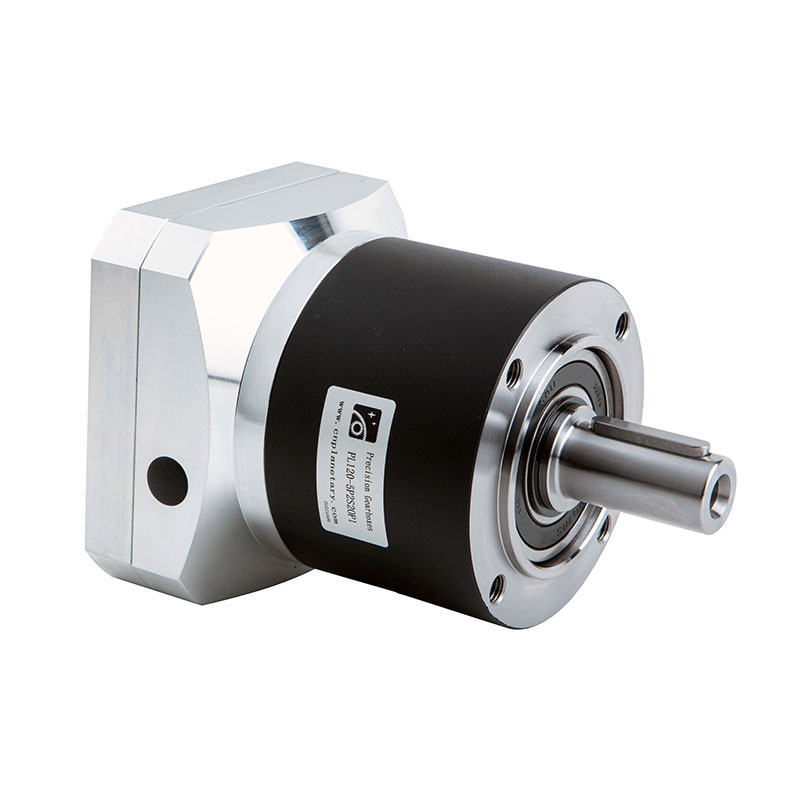
In the realm of mechanical engineering, the planetary gearbox stands as one of the most efficient and reliable components in power transmission systems. From automotive applications to industrial mach...
See Details
With the rapid development of industrial technology, mechanical equipment has become increasingly important in all walks of life and has become a key factor in promoting the improvement of productivit...
See Details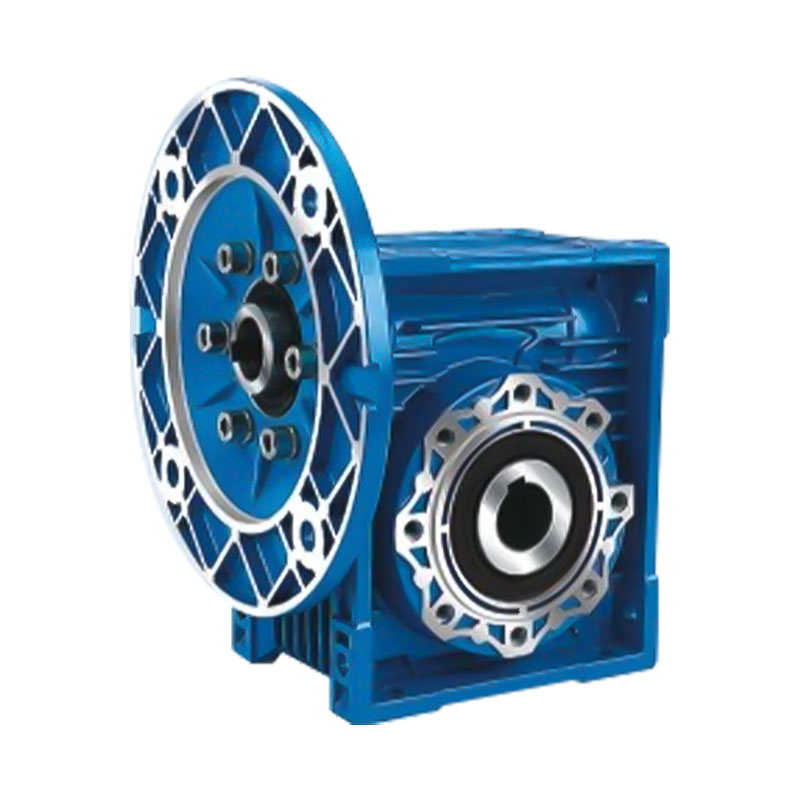
In modern industrial transmission systems, efficient, reliable and compact speed reduction devices are one of the core components that ensure the stable operation of mechanical equipment. With its uni...
See Details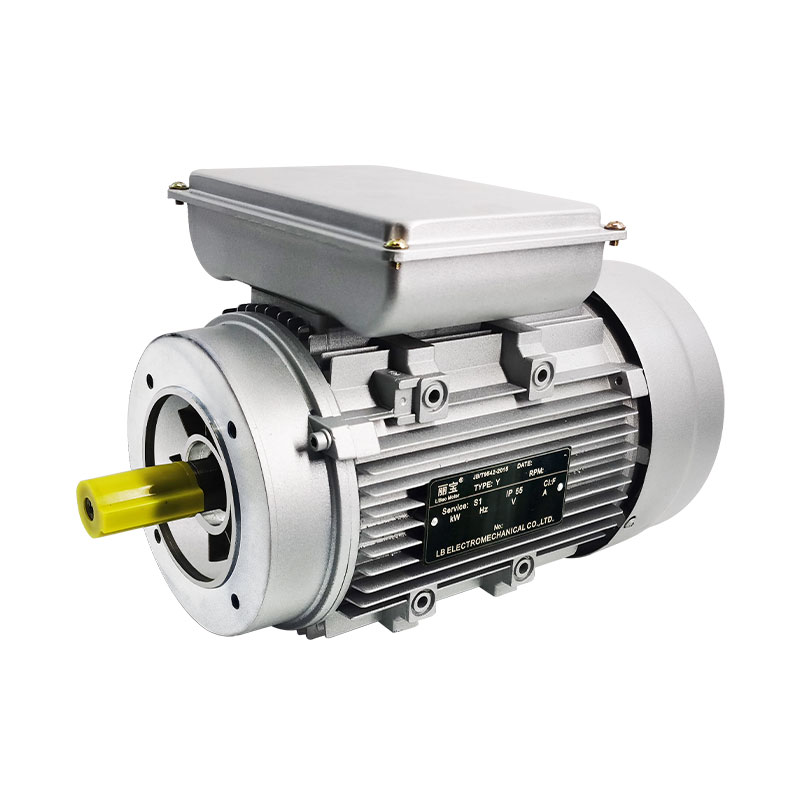
In the huge system of modern electrical equipment, single-phase AC motor is an extremely critical basic component, and its presence is everywhere in all areas of life and production. Whether it is hom...
See DetailsRequest for a call today