English
 中文简体
中文简体 Español
In the realm of mechanical engineering, the planetary gearbox stands as one of the most efficient and reliable components in power transmission systems. From automotive applications to industrial mach...
See Details
In contemporary industrial systems, the WP worm gear reducer plays a vital role as a speed‑reduction component that couples high‑speed prime movers (e.g., electric motors) to driven loads requiring high torque at low speeds. Its geometric simplicity, compact axial footprint, and inherent shock‑loading tolerance have made worm gear reducers integral to applications in material handling, packaging, automated guided vehicles (AGVs), robotics joints, conveyor subsystems, and precision positioning stages in manufacturing.
From a system engineering perspective, the WP worm gear reducer is not a standalone item but a subsystem within larger electro‑mechanical assemblies. Its performance characteristics directly influence:
Unlike involute spur or helical gear pairs, worm gear meshes combine rolling and significant sliding contact between the worm thread and the worm wheel teeth. This sliding component increases heat generation and surface stress. Over time, unchecked sliding friction leads to:
This frictional behavior is a fundamental challenge that manifests repeatedly as a failure precursor in worm gear reducers.
The effectiveness of lubrication regimes in worm gear reducers is constrained by:
These conditions elevate the risk of lubricant film breakdown, additive depletion, and localized metal‑to‑metal contact, especially under high‑duty cycles.
Despite a seemingly simple geometric form, worm gear reducers are sensitive to:
These lead to uneven load distribution across gear teeth and bearings, accelerating failure progression if unmitigated.
As load and duty cycles increase, thermal dissipation from enclosed worm gear housings becomes a system‑level constraint. Excessive temperature rise affects:
In motion‑sensitive systems, uncontrolled backlash within the worm gear reducer can interfere with:
The following sections break down the primary failure mechanisms observed in industrial practice, with diagnostic traits and system‑level implications.
Description: Progressive micro‑cracking of tooth surfaces due to repeated contact stress and sliding.
Root Causes:
Symptoms:
Implications at System Level:
Description: Loss of lubricating film due to excessive temperature, oxidation, or contamination.
Root Causes:
Symptoms:
Implications:
Description: Loss of precision in tooth engagement leading to excessive backlash.
Root Causes:
Symptoms:
Implications:
Description: Rolling element fatigue within support bearings of the worm or worm wheel shaft.
Root Causes:
Symptoms:
Implications:
Description: Breakdown of seals leading to ingress of dust, moisture, or foreign matter.
Root Causes:
Symptoms:
Implications:
Rather than treating failure modes as isolated defects, a systems engineering framework considers how design decisions and operating conditions interact across mechanical, thermal, and control domains.
The following table maps symptoms to probable causes and system‑level checks:
| Symptom | Probable Cause | System‑Level Diagnostic |
|---|---|---|
| Elevated temperature | Friction heat accumulation | Thermography across housing |
| Noise during operation | Surface pitting / bearing wear | Vibration spectral analysis |
| Positioning drift | Backlash increase | Backlash measurement under load |
| Abrupt failures | Contamination ingress | Oil analysis and particle count |
Effective condition monitoring for WP worm gear reducer health should integrate:
By correlating these data streams, system integrators can detect early failure precursors that isolated inspections might overlook.
Different applications impose distinct stressors on worm gear reducers. Engineers must consider the overall machine architecture when evaluating failure risk.
Load Characteristics:
Failure Risks:
System Insight: Use duty cycle profiling to size gear reducer thermal capacity.
Load Characteristics:
Failure Risks:
System Insight: Encoder‑based backlash compensation can improve overall vehicle control fidelity.
Load Characteristics:
Failure Risks:
System Insight: Integrating a cooling strategy (e.g., heat sinks, external cooling fins) can help maintain optimal lubricant viscosity.
Solutions aimed at mitigating failure modes must be assessed in terms of their real effects on system metrics.
Options:
Impact:
Options:
Impact:
Options:
Impact:
Options:
Impact:
Emerging practices in industrial digitalization are incorporating digital twin models of gear reducer performance. These models fuse real‑time sensor data with physics‑based simulations to:
This trend reflects the broader shift toward condition‑based maintenance in industrial systems.
Research into new alloys and surface treatments for gear teeth aims to reduce:
These advancements promise to extend reducer life in high‑duty applications.
Integrators increasingly adopt worm gear reducers as part of integrated mechatronic modules (e.g., motor‑gear assemblies with embedded sensors), simplifying system assembly and improving data availability.
Understanding the top failure modes in WP worm gear reducers is essential for engineers and technical decision‑makers building reliable, efficient industrial systems. Moving beyond component‑level analysis to a systems engineering view enables:
By integrating diagnostic data, precise mechanical practices, and robust thermal and lubrication approaches, engineering teams can significantly improve the reliability and lifespan of worm gear drives in complex industrial environments.
Q1: What is the most common reason for WP worm gear reducer failure?
A1: Lubrication breakdown under high sliding contact is a leading cause, often exacerbated by insufficient heat dissipation and contamination ingress.
Q2: How can backlash issues be mitigated in precision applications?
A2: Backlash can be mitigated via backlash compensation mechanisms, precise alignment, and closed‑loop control strategies.
Q3: What role does temperature play in reducer reliability?
A3: Elevated temperatures accelerate lubricant degradation and material property changes, making thermal management critical for longevity.
Q4: Why is system‑level monitoring important?
A4: System‑level monitoring integrates multiple signals (vibration, temperature, lubricant state) enabling predictive maintenance and early failure detection.
Q5: Can digital tools improve worm gear reducer life?
A5: Yes; digital twin and analytics platforms can model expected wear, support condition forecasting, and optimize maintenance.
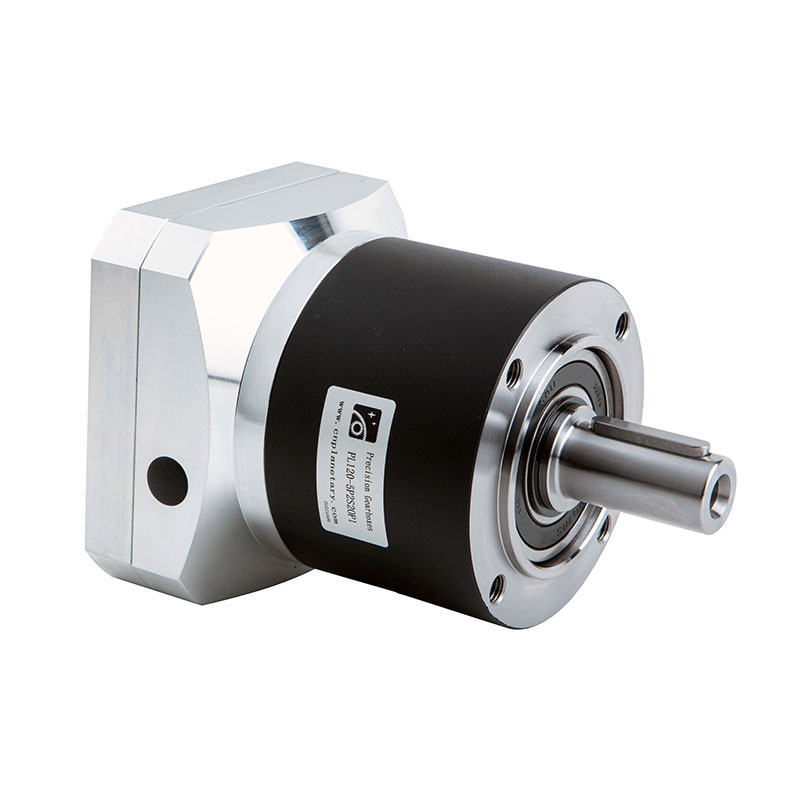
In the realm of mechanical engineering, the planetary gearbox stands as one of the most efficient and reliable components in power transmission systems. From automotive applications to industrial mach...
See Details
With the rapid development of industrial technology, mechanical equipment has become increasingly important in all walks of life and has become a key factor in promoting the improvement of productivit...
See Details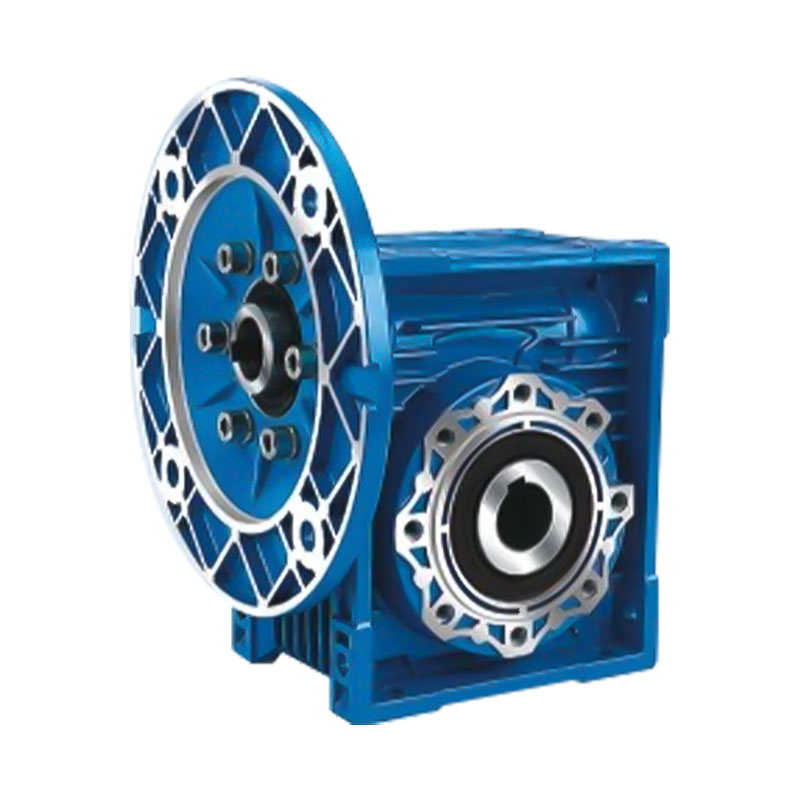
In modern industrial transmission systems, efficient, reliable and compact speed reduction devices are one of the core components that ensure the stable operation of mechanical equipment. With its uni...
See Details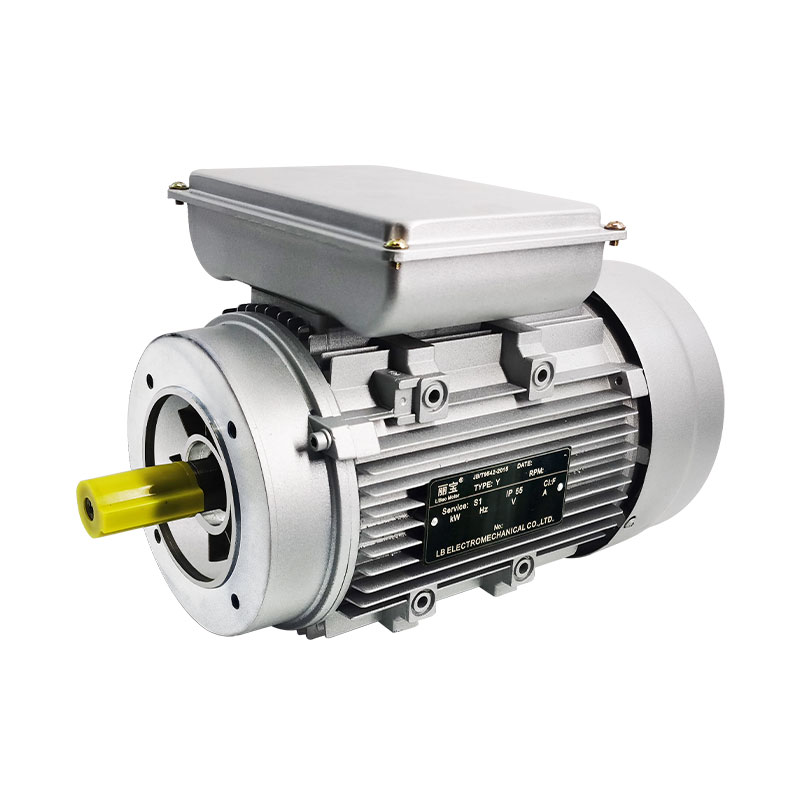
In the huge system of modern electrical equipment, single-phase AC motor is an extremely critical basic component, and its presence is everywhere in all areas of life and production. Whether it is hom...
See DetailsRequest for a call today