English
 中文简体
中文简体 Español
In the realm of mechanical engineering, the planetary gearbox stands as one of the most efficient and reliable components in power transmission systems. From automotive applications to industrial mach...
See Details
In modern industrial systems, linear motion control solutions play a central role in machine automation, positioning accuracy, heavy‑load handling, and safety functions. Among the diverse motion actuator technologies available, the worm gear screw jack distinguishes itself through mechanical simplicity, high load capacity, and inherent safety characteristics such as self‑locking. The specific variant known as the SWL worm gear screw jack has evolved as a configurable and scalable option for applications requiring precise lifting, controlled motion, and heavy‑load support.
From manufacturing lines and material handling systems to infrastructure equipment and renewable energy deployments, industrial systems increasingly leverage these actuators within integrated multi‑axis control frameworks.
A worm gear screw jack is a mechanical actuator that transforms rotary input into precise linear motion. Its fundamental mechanism consists of a worm drive engaging with a worm gear connected to a lifting screw. This design enables significant torque amplification and allows heavy loads to be moved with relatively small input forces.
Key reasons for the adoption of worm gear screw jacks in industrial deployments include:
The SWL worm gear screw jack series exemplifies this by offering tailored solutions across heavy machinery, infrastructure and material handling applications.
Industrial use cases for worm gear screw jacks span various verticals:
| Sector | Typical Motion Functions |
|---|---|
| Machinery Manufacturing | Height adjustment of fixtures and platforms |
| Construction | Support and alignment in structural assembly |
| Material Handling | Lift stations, conveyor adjustments |
| Renewable Energy | Solar panel and turbine orientation |
| Aerospace & Automotive Testing | Precision lifting and rig calibration |
| Transportation Facilities | Dock levelers, staging platforms |
In each context, the actuator must reliably interface with broader control systems (PLC, motion controllers, safety interlocks) and sustain variable loading conditions — from intermittent peak loads to prolonged static weight support.
Despite compelling application benefits, deploying custom and high‑load worm gear screw jack systems within industrial frameworks entails several engineering challenges:
The inherent design of a worm drive involves sliding contact between the worm and gear teeth, resulting in lower mechanical efficiency relative to alternatives such as ball screws or helical actuators. This characteristic can impact energy consumption and heat generation under continuous operation.
Many industrial systems require synchronized motion across multiple actuators. Uneven torque distribution, variable compliance, and torsional deflection in coupling shafts can complicate coordinated movement, particularly when high loads are involved.
Harsh environments (dust, moisture, chemical exposure) and high duty cycles impose stringent requirements on lubrication integrity, material strength, and sealing performance. Failure to address these concerns can lead to premature wear and unplanned maintenance.
Automation systems increasingly depend on skilled engineers for deployment and maintenance. A documented shortage of qualified industrial labor poses challenges for system installers and integrators, impacting deployment timelines and ongoing reliability management.
To address these challenges, engineers and system architects apply a combination of advanced design principles, control strategies, and mechanical optimizations.
Modular stacking and selection of worm gear assemblies allow system designers to tailor actuator response to specific load ranges, stroke requirements, and mounting constraints. This includes:
Achieving coordinated movement across multiple SWL worm gear screw jack units typically requires:
Such approaches ensure balanced load distribution and consistent stroke matching across axes.
Materials and surface treatments that withstand operational stresses are essential. High‑strength alloy steels, ductile iron housings, and advanced bearing designs optimize life expectancy and reduce wear. Seal systems and lubrication pathways protect internal components in challenging environments.
System‑level reliability demands that screw jacks not operate in isolation. Typical safety integrations include:
In practical deployments, engineers embed SWL worm gear screw jack elements into larger automation architectures. Two illustrative scenarios follow:
System Requirements: Precisely lifting large assemblies for machining operations, maintaining positional alignment within ±0.1 mm across a 2 m travel range.
Architectural Elements:
Performance Considerations: Redundancy ensures that cyclic load variations do not compromise alignment, while robust sealing and lubrication accommodate manufacturing bay conditions.
System Requirements: Frequent lifting and lowering of palletized goods in a warehousing flow, with integrated conveyor transitions.
Architectural Elements:
Performance Considerations: Optimized for duty cycle and reliability; self‑locking reduces reliance on active braking in power loss scenarios.
Customized mechanical gearing and robust material selection extend mean time between failures. Self‑locking capabilities also enhance safety in power loss events and reduce demand on external brakes.
Although worm gear mechanisms have inherent frictional inefficiencies, targeted design improvements (e.g., optimized lubrication, precision gear grinding) mitigate energy losses and heat buildup.
Mechanical simplicity reduces the number of failure points compared with hydraulic or pneumatic alternatives. Routine inspections and scheduled lubrication of bearings and gears provide predictable maintenance intervals.
Several emerging trends will shape the role of worm gear screw jack systems in industrial deployments:
Integration with digital twins, predictive maintenance algorithms, and condition monitoring systems will improve uptime and allow data‑driven optimization.
Combining worm gear screw jacks with high‑efficiency electric drives and smart feedback networks enables more responsive and adaptable motion control architectures.
Advanced materials such as engineered alloys and surface coatings will improve wear resistance, while additive manufacturing techniques may enable optimized gear geometries.
Tighter safety and energy efficiency standards will drive system design refinements and verification protocols, ensuring compliance without sacrificing performance. ([Verified Market Reports][6])
In systems engineering contexts, custom and high‑load worm gear screw jacks such as the SWL worm gear screw jack are not merely modular actuators; they are integral motion control elements that directly influence system reliability, safety, and operational life. By adopting tailored mechanical designs, advanced synchronization strategies, and integrated control logic, engineers can address core deployment challenges while harnessing the mechanical strengths of these devices.
At a system level, this leads to:
Q1: What distinguishes a worm gear screw jack from other linear actuators?
A: Worm gear screw jacks convert rotary motion to linear motion using a worm and gear mechanism, offering high load capacity and self‑locking without external brakes, though with lower mechanical efficiency than ball screws.
Q2: How is SWL worm gear screw jack customization achieved?
A: Customization involves selecting gear ratios, stroke lengths, input interfaces (motorized or manual), and anti‑rotation features to match system requirements.
Q3: Can multiple screw jacks be synchronized for coordinated motion?
A: Yes — synchronization is achieved through mechanical coupling, feedback sensors, and coordinated motion control logic within broader automation systems.
Q4: What environments are suitable for these actuators?
A: Industrial environments with heavy loads, outdoor exposure, or precision positioning needs are suitable, provided sealing and lubrication are designed for the conditions.
Q5: What are the maintenance considerations?
A: Regular inspection of bearings, lubrication integrity, and wear monitoring are typical; mechanical simplicity supports predictable lifecycle management.
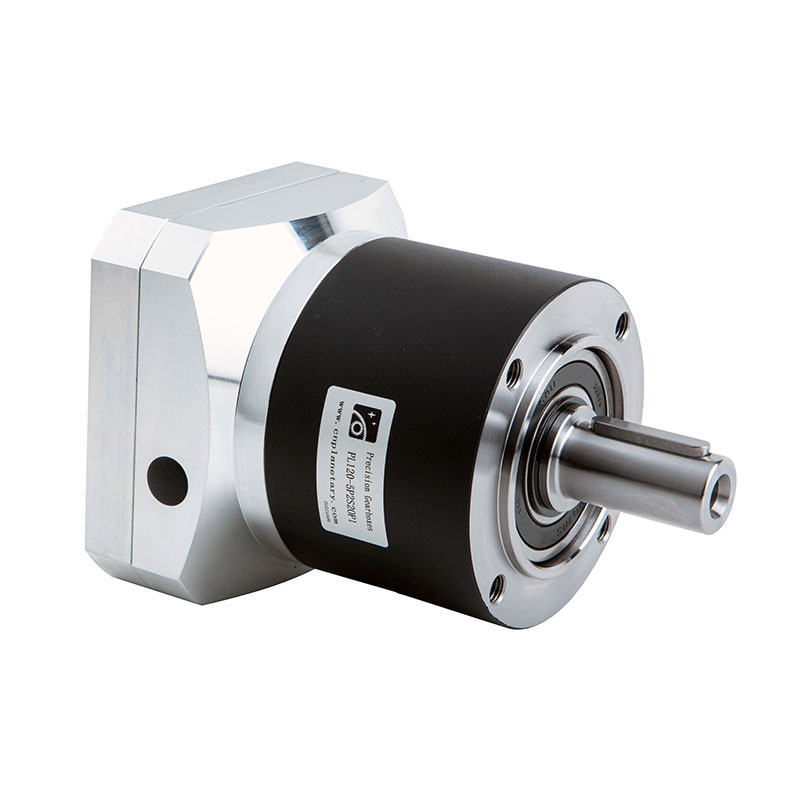
In the realm of mechanical engineering, the planetary gearbox stands as one of the most efficient and reliable components in power transmission systems. From automotive applications to industrial mach...
See Details
With the rapid development of industrial technology, mechanical equipment has become increasingly important in all walks of life and has become a key factor in promoting the improvement of productivit...
See Details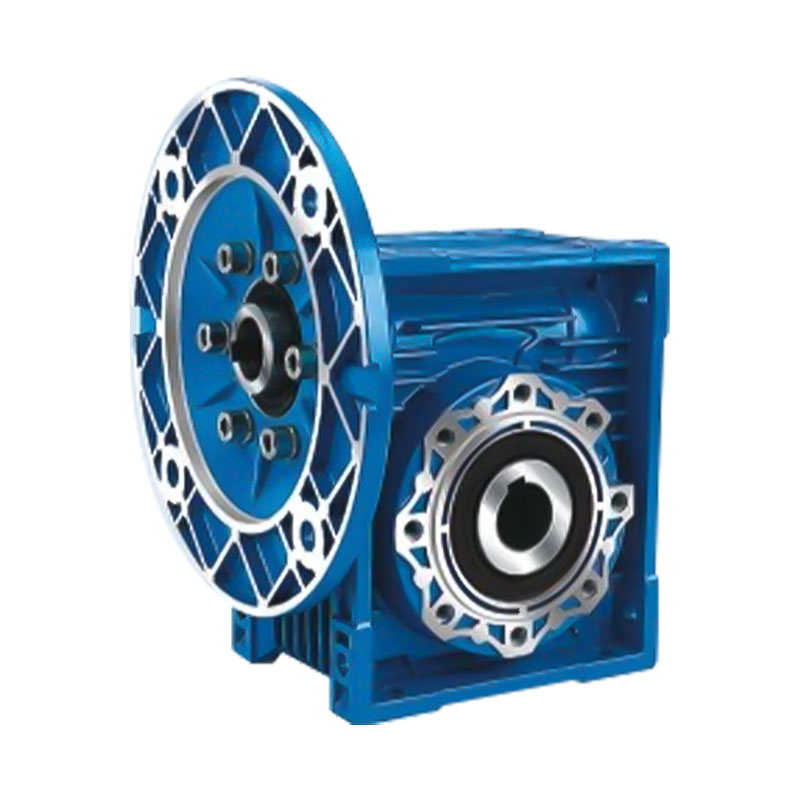
In modern industrial transmission systems, efficient, reliable and compact speed reduction devices are one of the core components that ensure the stable operation of mechanical equipment. With its uni...
See Details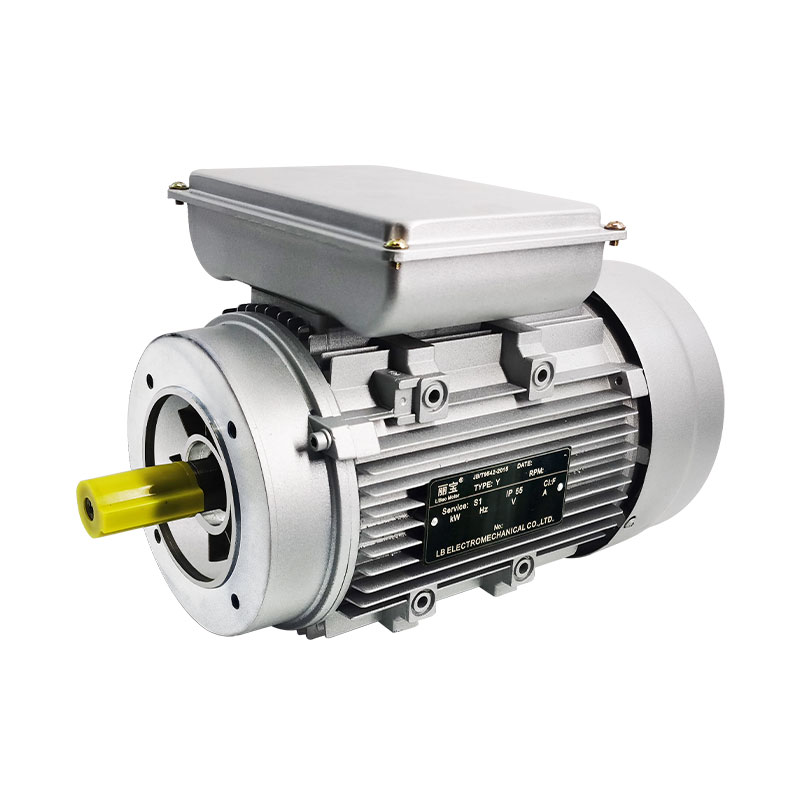
In the huge system of modern electrical equipment, single-phase AC motor is an extremely critical basic component, and its presence is everywhere in all areas of life and production. Whether it is hom...
See DetailsRequest for a call today