English
 中文简体
中文简体 Español
In the realm of mechanical engineering, the planetary gearbox stands as one of the most efficient and reliable components in power transmission systems. From automotive applications to industrial mach...
See Details
In modern industrial systems, power transmission is a foundational concern in both design and operational optimization. Mechanical reduction gearboxes play a central role in matching prime mover characteristics (speed, torque) to load requirements across a wide range of sectors including material handling, robotics, packaging, and heavy machinery.
A gearbox transforms speed and torque between a driver (typically an electric motor) and driven load, impacting performance metrics such as efficiency, mechanical robustness, thermal behavior, noise, and maintenance requirements. Two fundamental architectural approaches exist: single‑stage gearboxes and multi‑stage gearboxes.
Within this spectrum, worm gearbox solutions, and specifically the wpa single‑stage worm gearbox, are widely used in applications that demand compact footprint, high gear reduction in a single element, and robust load handling characteristics. However, comparing single‑stage and multi‑stage systems requires a systems‑engineering perspective rather than component‑centric thinking, because the gearbox interacts with other subsystems including the motor, structural supports, and control logic.
Industrial power transmission systems confront several common technical challenges:
Industrial applications often require significant torque increase at low speeds — for example in conveyors or extrusion processes. Achieving large reductions directly impacts gearbox design selection:
| Requirement | Typical Solution |
|---|---|
| High reduction ratio with compact design | Single‑stage worm gearbox |
| Very high total ratio with high efficiency | Multi‑stage gear train |
Single‑stage gearboxes provide a high single‑step ratio by leveraging the geometry of the worm and gear pair, but this comes with trade‑offs in efficiency and heat.
Efficiency in gearboxes is not just an economic metric; it affects thermal rise, lubricant behavior, component fatigue, and energy consumption. With each mesh or stage, some power is lost to friction.
Certain automated systems such as servo applications require gearboxes with controlled backdrivability for control precision. Worm gear sets inherently exhibit self‑locking tendencies which may be desirable in some systems (holding load without brake) but restrictive in others.
Industrial duty cycles can involve high peak loads, shock loads, and variable directions. Gearbox design must accommodate these with appropriate safety factors and mechanical robustness.
The gearbox should integrate physically and logically within the larger system — with alignment, mounting, lubrication access, and serviceability optimized.
These technical constraints define the engineering evaluation framework for selecting between single‑stage and multi‑stage gearbox configurations.
A systems engineering approach examines how each gearbox type contributes to system performance, reliability, and lifecycle cost rather than isolated gear mesh behavior.
The total reduction ratio ((R_{total})) in a multi‑stage system is cumulative:
Rtotal=R1×R2×R3×…
This provides greater flexibility in distributing reduction across stages but also introduces cumulative frictional and inertia effects.
The table below outlines key system‑level metrics for comparison:
| Metric | Single‑Stage | Multi‑Stage |
|---|---|---|
| Total Reduction Ratio | Moderate to high (in one element) | Very high (distributed) |
| Mechanical Efficiency | Lower (higher sliding friction) | Higher (multiple rolling meshes) |
| Heat Generation | Concentrated | Distributed |
| Complexity (Parts & Assembly) | Lower | Higher |
| Backdrivability | Difficult | Easier |
| Mass and Size | Compact in length | Larger envelope |
| Serviceability | Simpler | More complex due to multiple elements |
This table highlights that choice must align with system requirements rather than a default assumption about performance.
Below are representative scenarios where engineers must choose between single and multi‑stage gearboxes.
A wpa single‑stage worm gearbox can deliver high reduction in a compact layout with inherent self‑locking, reducing reliance on external brakes. The simplified architecture reduces integration complexity.
However, system‑level analysis must consider efficiency and heat: worm gear sets exhibit sliding contact which generates heat under load. Thermal management (e.g., housing design, lubrication strategy) becomes part of system design.
A multi‑stage gearbox employing helical or planetary sets offers higher efficiency by reducing friction losses across stages. Although larger and more complex, the distributed reduction also enables better heat distribution.
Multi‑stage gearboxes generally provide better distribution of load across multiple meshes, reducing stress concentration. System modeling may reveal that staged reducers extend fatigue life under variable loading.
Here, a multi‑stage gearbox with low backlash helical systems may outperform worm sets in responsiveness and control fidelity.
Selecting the appropriate gearbox architecture affects technical dimensions across the system lifecycle.
Industrial systems increasingly quantify energy loss per kW·h. Higher efficiency gearboxes directly reduce operational energy, which is a measurable system metric.
Lifecycle cost analysis considers not just upfront cost but energy consumption, downtime, and service interventions.
Industrial gear systems continue evolving under several technical drivers:
Embedding sensors and signal monitoring within gear housings enables condition monitoring. This shifts gearbox selection from static rating tables to data‑informed system life prediction.
Innovations in surface treatments, composite materials, and gear tooth geometries improve wear resistance and thermal performance, influencing single‑stage efficiency.
Rather than selecting reducers in isolation, engineers are applying multi‑domain simulation (mechanical, thermal, control) to optimize gearboxes within the entire drive train.
Future industrial systems seek modularity, enabling rapid reconfiguration with standardized stages.
In industrial applications, gearbox selection is a multi‑criteria decision embedded within system engineering. The choice between single‑stage (e.g., wpa single‑stage worm gearbox) and multi‑stage systems is not inherently superior or inferior; instead, it is determined by system requirements such as torque ratio, efficiency, thermal behavior, dynamics, integration constraints, and lifecycle considerations.
A structured approach that includes:
…will yield an informed gearbox architecture choice that aligns with technical and economic objectives.
Both single‑stage and multi‑stage systems have defined roles within industrial power transmission, and modern engineering practice emphasizes system‑level optimization over component‑level preference.
Q1: What is the fundamental difference between single‑stage and multi‑stage gearboxes?
A1: Single‑stage gearboxes have one gear pair between input and output, offering simplicity and compactness. Multi‑stage gearboxes use two or more sequential gear pairs to achieve higher ratios and potentially better efficiency.
Q2: Why would an engineer choose a single‑stage worm gearbox over a multi‑stage alternative?
A2: Single‑stage worm gearboxes are chosen when compact form factor, high single‑step ratio, and inherent holding capability without brakes are priorities. These are common in positioning and vertical load applications.
Q3: Do multi‑stage gearboxes always offer higher efficiency?
A3: Generally, yes. Spreading reduction across rolling gear elements reduces overall friction compared to single high reduction in a single sliding contact element. However, real‑world efficiency depends on design quality, lubrication, and operating conditions.
Q4: How does gearbox selection affect control system performance?
A4: Gearbox dynamics influence backlash, stiffness, and inertia, which directly impact control response, especially in closed‑loop servo systems. Lower backlash and distributed inertia in multi‑stage designs can improve control accuracy.
Q5: What system‑level considerations should be evaluated beyond torque and speed?
A5: Engineers should evaluate thermal performance, integration complexity, maintenance intervals, lubrication strategy, energy consumption, and control requirements when selecting gearbox architecture.
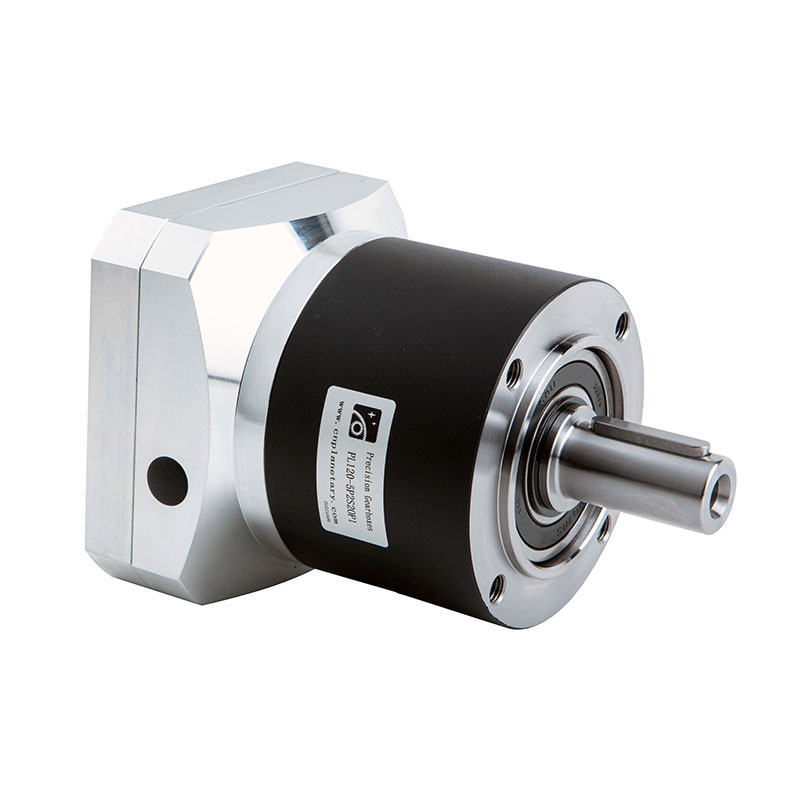
In the realm of mechanical engineering, the planetary gearbox stands as one of the most efficient and reliable components in power transmission systems. From automotive applications to industrial mach...
See Details
With the rapid development of industrial technology, mechanical equipment has become increasingly important in all walks of life and has become a key factor in promoting the improvement of productivit...
See Details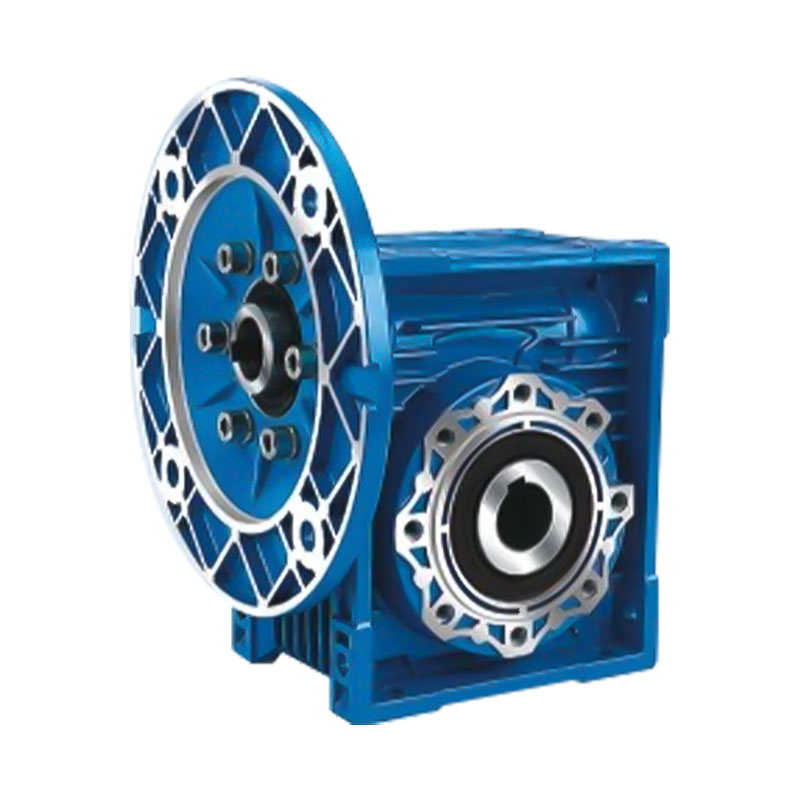
In modern industrial transmission systems, efficient, reliable and compact speed reduction devices are one of the core components that ensure the stable operation of mechanical equipment. With its uni...
See Details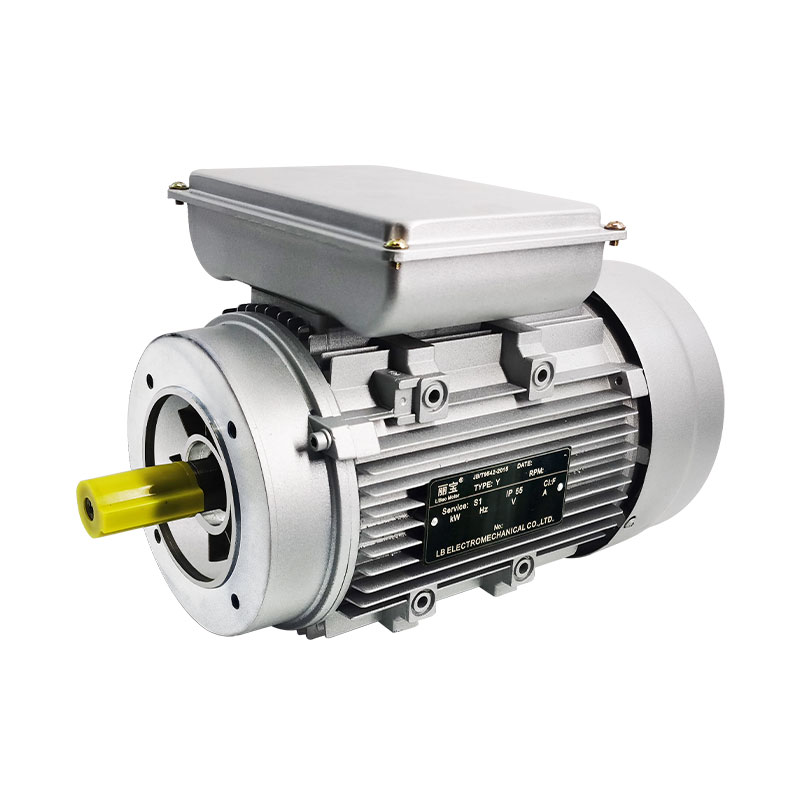
In the huge system of modern electrical equipment, single-phase AC motor is an extremely critical basic component, and its presence is everywhere in all areas of life and production. Whether it is hom...
See DetailsRequest for a call today